
 EN



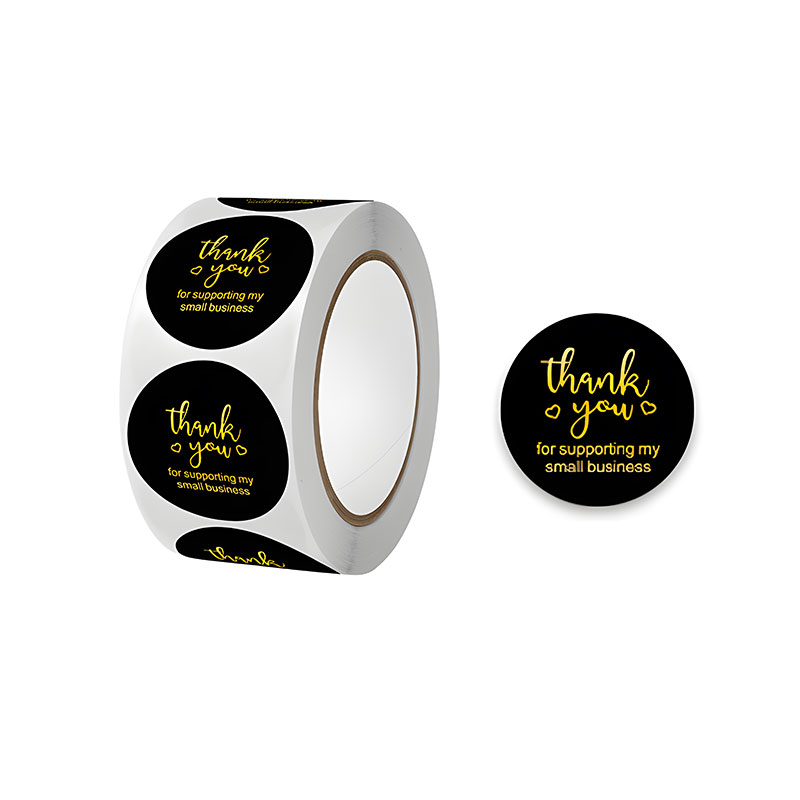
Roll sticker paper has emerged as the cornerstone solution for high volume production environments where efficiency, consistency, and cost-effectiveness are paramount. When manufacturers and print businesses face the challenge of producing thousands of labels, stickers, or decals daily, roll sticker paper delivers the automation capabilities and material reliability needed to meet aggressive production schedules. Unlike sheet-based alternatives, roll sticker paper enables continuous feed systems that minimize downtime, reduce labor overhead, and maintain uniform adhesive quality across every single unit produced.
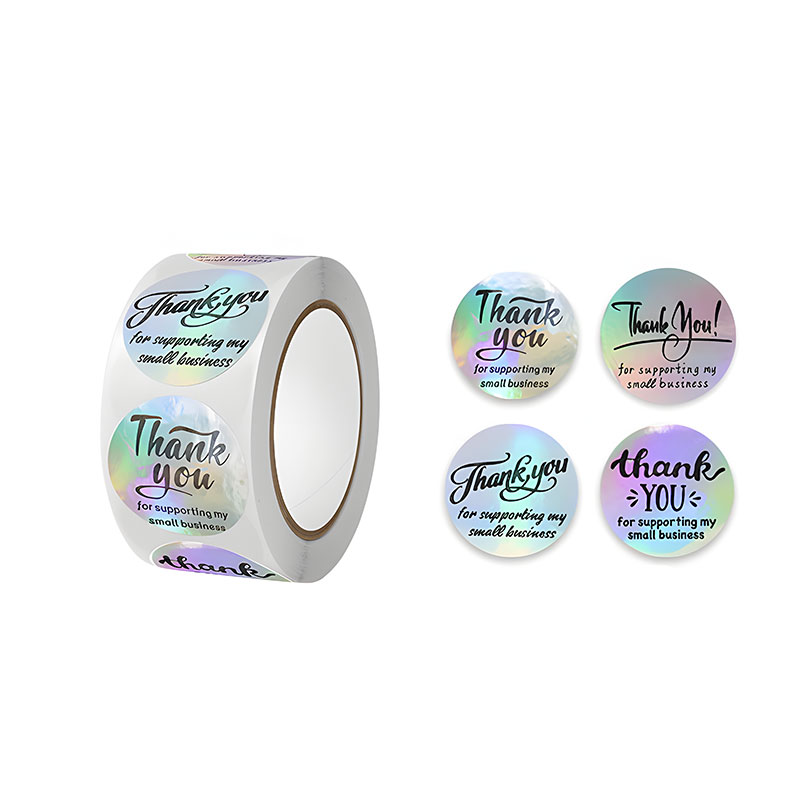
The fundamental advantage of roll sticker paper lies in its design architecture. Roll sticker paper is engineered specifically for machinery that processes continuous material streams, allowing printers to operate at maximum throughput without manual intervention between units. This automated workflow transforms production economics, reducing per-unit costs while simultaneously improving quality consistency. For industries ranging from food and beverage packaging to logistics and retail labeling, roll sticker paper has become the default standard because it directly addresses the operational constraints of modern high volume manufacturing.
Production Efficiency and Automation Benefits
Continuous Feed Integration
Roll sticker paper integrates seamlessly with modern printing and labeling machinery that processes continuous material feeds. Unlike individual sheets that require manual loading and positioning, roll sticker paper enables uninterrupted production runs lasting hours or days. The ability to load a single roll containing thousands of label units means production teams can focus on quality monitoring rather than material handling. This continuous feed capability directly translates to output velocity that sheet-based systems cannot match. When examining roll sticker paper for high volume scenarios, the automation multiplier becomes immediately evident—machines process material at their maximum design speed rather than pausing between sheets.
Downtime Reduction and Throughput Scaling
High volume production environments operate on tight timelines where every minute of machine downtime represents measurable financial loss. Roll sticker paper minimizes this vulnerability by eliminating the manual material changeover cycles required by sheet systems. A production facility running roll sticker paper can achieve sustained output of fifty thousand to two hundred thousand labeled units daily, depending on label size and machine configuration. The reduction in setup time, changeover procedures, and quality verification checkpoints creates cumulative efficiency gains. Roll sticker paper also allows operators to run parallel machines simultaneously, since material loading and threading occurs far less frequently than with sheet-based alternatives.
Material Consistency and Adhesive Reliability
Adhesive Performance Under Production Stress
Manufacturing roll sticker paper requires precision coating processes that ensure uniform adhesive distribution across the entire roll length. This consistency proves critical in high volume environments where even minor adhesive variations can cascade into thousands of defective units. Roll sticker paper manufactured to industrial specifications maintains consistent backing thickness, adhesive tackiness, and release layer properties throughout the entire production run. When a manufacturing facility depends on roll sticker paper for daily output targets, the predictability of material behavior becomes a business-critical parameter. Adhesive performance consistency directly reduces waste rates, customer returns, and quality control interventions that disrupt production flow.
Substrate Durability During Processing
Roll sticker paper must withstand mechanical stress during high speed printing, die-cutting, and application processes. The substrate composition and construction of roll sticker paper is specifically engineered to resist stretching, tearing, and delamination during continuous feed operations. This durability ensures that roll sticker paper maintains dimensional accuracy across millions of impressions, preventing registration errors and alignment issues that plague lower-quality materials. Industrial-grade roll sticker paper incorporates barrier coatings and reinforced backing structures that preserve material integrity under the extreme tensioning forces applied by modern labeling machinery. Manufacturers who specify premium roll sticker paper experience fewer jams, reduced scrap rates, and extended equipment service intervals.
Economic Advantages for Bulk Production
Per-Unit Cost Reduction Through Scale
The economics of roll sticker paper fundamentally shift when evaluated across high volume production contexts. Purchasing roll sticker paper in bulk quantities yields material costs significantly lower than sheet alternatives because manufacturers optimize production runs for continuous material. Roll sticker paper eliminates packaging, handling, and logistics overhead associated with shipping thousands of individual sheet packages. A production facility consuming five million sticker units annually can achieve per-unit material costs that make roll sticker paper economically superior despite higher initial roll purchase volumes. The cost advantage compounds when accounting for reduced labor, machine maintenance, and waste disposal expenses inherent in continuous feed operations.
Waste Minimization and Yield Optimization
High volume production environments cannot tolerate excessive material waste because scrap accumulation directly erodes profit margins. Roll sticker paper enables precision cutting and registration that minimizes trim waste and improper units. The tight tolerances maintained throughout roll sticker paper manufacturing mean production teams can operate with minimal quality control buffer, using nearly all material produced. When production runs involve one hundred thousand units daily, a one percent waste reduction saves significant costs monthly. Roll sticker paper systems also enable real-time quality monitoring and automatic defect ejection, preventing non-conforming units from reaching customers and triggering costly returns or recalls.
Application Flexibility Across Industries
Versatility for Diverse Labeling Needs
Roll sticker paper serves industries with vastly different labeling requirements, from pharmaceutical compliance labels to shipping logistics tags. The material composition of roll sticker paper can be customized for various surface finishes, including matte, gloss, and transparent options that accommodate specific application environments. High volume production facilities value roll sticker paper because a single material specification can often serve multiple product lines, reducing inventory complexity. Roll sticker paper designed for refrigerated environments maintains adhesive tack at cold temperatures, while food contact grades incorporate appropriate safety certifications. This adaptability means manufacturers can standardize on roll sticker paper across diverse operations rather than managing multiple specialized materials.
Environmental and Performance Compliance
Modern roll sticker paper increasingly incorporates eco-friendly substrates and water-based adhesive formulations that align with corporate sustainability commitments and regulatory requirements. High volume production environments increasingly specify roll sticker paper manufactured from recycled content or sustainable sources without sacrificing performance characteristics. The continuous feed nature of roll sticker paper production also enables efficient resource utilization with minimal waste during manufacturing. Industrial facilities implementing roll sticker paper systems often discover they can achieve production volume targets while simultaneously improving environmental compliance profiles. This dual benefit makes roll sticker paper an attractive choice for manufacturers facing both growth and sustainability pressures.
FAQ
Why does roll sticker paper outperform sheet materials in high volume settings?
Roll sticker paper enables continuous automated production without manual material handling between units, whereas sheets require individual loading cycles. This automation multiplier allows machines to operate at design speed throughout entire production runs, delivering throughput velocities that sheet systems fundamentally cannot achieve. Additionally, roll sticker paper reduces labor, downtime, and per-unit costs while maintaining superior consistency across millions of units.
What substrate materials are available in roll sticker paper formats?
Roll sticker paper comes in paper, polyester, vinyl, and polypropylene options depending on application requirements. Gloss finishes provide vibrant color reproduction, matte surfaces reduce glare, and transparent variants enable creative label designs. Manufacturers can select roll sticker paper specifications optimized for specific environments, from humid food processing facilities to outdoor logistics applications, ensuring both aesthetic appeal and functional durability.
How does roll sticker paper affect production equipment requirements?
Facilities utilizing roll sticker paper require printing or labeling machinery designed for continuous feed systems, which is now standard in modern industrial equipment. The investment in compatible machinery is recovered quickly through higher throughput, reduced labor costs, and improved material efficiency. Existing equipment operators can often retrofit roll sticker paper capabilities through upgraded feeders without replacing entire production lines.