
 EN


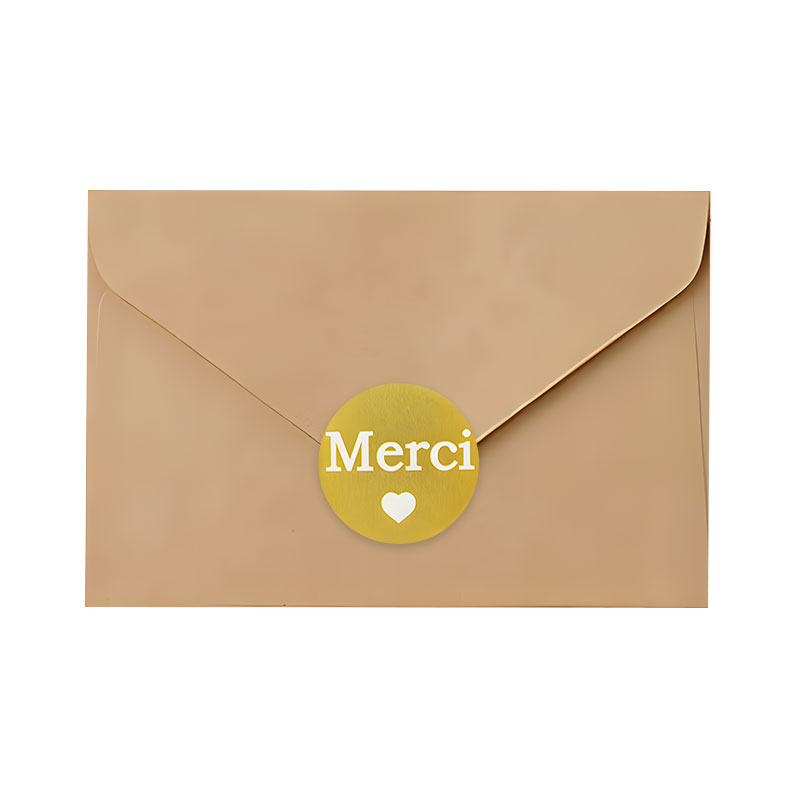
A gold sticker represents a premium branding solution that elevates product packaging, corporate identity, and merchandise appeal. However, the longevity of a gold sticker depends on multiple environmental and material factors that directly impact its visual integrity and adhesive performance over time. Understanding these durability influences helps businesses and designers select the right gold sticker solutions for their specific use cases and guarantee lasting brand presence across diverse conditions.

The durability of a gold sticker is not predetermined solely by its metallic finish. Instead, it emerges from the interaction between adhesive chemistry, surface substrate compatibility, environmental exposure levels, and manufacturing quality standards. Whether a gold sticker maintains its brilliance and adhesion in outdoor heat, humid storage conditions, or frequent handling scenarios depends on intentional engineering choices made during production and material selection phases.
Environmental Exposure and Its Impact on Gold Sticker Longevity
UV Light and Temperature Fluctuations
Ultraviolet radiation represents one of the primary threats to gold sticker appearance and adhesive strength. When a gold sticker is exposed to direct sunlight over extended periods, UV rays penetrate the metallic coating and can cause fading, discoloration, or dull patches that compromise the premium aesthetic. Temperature cycling also weakens the bond between a gold sticker and its substrate, as materials expand and contract at different rates, creating micro-separations that gradually lead to peeling or lifting.
High temperatures accelerate adhesive degradation in a gold sticker, particularly if the adhesive lacks heat-resistant formulations. Conversely, freezing temperatures can make adhesive layers brittle, reducing their flexibility and causing a gold sticker to crack or lose grip under mechanical stress. The combination of thermal stress and UV exposure amplifies these effects, which is why products using a gold sticker in outdoor or automotive applications require specialized coatings and adhesive formulations.
Moisture and Humidity Challenges
Moisture infiltration represents a critical durability factor for any gold sticker in humid, wet, or aquatic environments. Water molecules can penetrate microscopic gaps between a gold sticker and its substrate, degrading the adhesive bond from within and promoting mold or corrosion under the metallic layer. High humidity environments accelerate this process, especially if the gold sticker lacks waterproof certification or edge sealing.
Salt spray and chemical exposure further compromise a gold sticker's durability in maritime or industrial settings. Salt particles can corrode the metallic finish of a gold sticker and chemically interact with adhesive polymers, causing rapid degradation. Industries using a gold sticker in these harsh conditions must select formulations with enhanced chemical resistance and sealed edge construction to prevent edge lift and substrate separation.
Adhesive Technology and Substrate Compatibility Factors
Adhesive Formulation and Bond Strength
The adhesive system underlying a gold sticker determines its initial grip strength and long-term holding performance. High-quality permanent adhesives used in a gold sticker provide stronger initial tack and superior aging resistance compared to removable alternatives. Acrylic-based adhesives offer excellent UV resistance, while rubber-based formulations provide superior flexibility but may yellow or degrade faster when a gold sticker encounters prolonged sunlight.
The thickness and application consistency of adhesive directly affect how well a gold sticker maintains contact with its surface over time. Insufficient adhesive coverage creates air pockets that trap moisture and accelerate edge failure, while over-application can bleed through the edges and attract dirt. Premium gold sticker products feature precisely calibrated adhesive layers that balance initial tack with long-term durability across temperature and humidity extremes.
Surface Substrate Selection and Preparation
The material receiving the gold sticker profoundly influences adhesion longevity and overall durability. Smooth, clean surfaces allow a gold sticker to establish maximum contact area and create stronger molecular bonds with the substrate. Textured, porous, or contaminated surfaces reduce the effective adhesion area, causing a gold sticker to lift prematurely or fail under thermal stress and mechanical flexing.
Substrate preparation becomes critical when applying a gold sticker to plastics, textured coatings, or outdoor materials. Oils, dust, or previous adhesive residues on the substrate prevent a gold sticker from achieving optimal contact, reducing durability by up to fifty percent. Surface treatments such as plasma cleaning or primer application can dramatically extend the useful life of a gold sticker by ensuring complete substrate wetting and chemical bonding initiation.
Manufacturing Quality and Protective Features in Gold Stickers
Coating Technology and Protective Layers
A premium gold sticker incorporates multiple protective layers that shield the metallic finish and underlying adhesive from environmental degradation. UV-protective topcoats create a transparent barrier over the gold sticker's surface, reflecting and absorbing harmful radiation while maintaining optical clarity and color fidelity. Laminate layers enhance the structural integrity of a gold sticker by distributing mechanical stress and preventing moisture ingress through edge pathways.
Three-dimensional embossed or textured finishes on a gold sticker create additional protective benefits beyond aesthetics. These surface variations interrupt water flow paths and reduce pooling points where moisture can concentrate beneath a gold sticker. Metallic foil layering in premium gold sticker products provides superior light reflection and inherent resistance to oxidation, maintaining brilliance even after years of exposure to variable environmental conditions.
Edge Sealing and Construction Methods
The edges of a gold sticker represent its most vulnerable failure point, where environmental exposure gains direct access to adhesive layers and substrate boundaries. Professional gold sticker manufacturing includes edge sealing techniques that create hydrophobic barriers, preventing moisture penetration along cut boundaries. Die-cut precision in gold sticker production ensures clean edges without fraying or exposed fiber strands that trap water and accelerate degradation.
Advanced manufacturing processes create a gold sticker with sealed perimeters through specialized coatings or fused edge construction. These methods extend the functional lifespan of a gold sticker by five to ten years in outdoor applications compared to standard production techniques. The investment in quality edge sealing directly correlates with gold sticker performance reliability across harsh environmental exposures.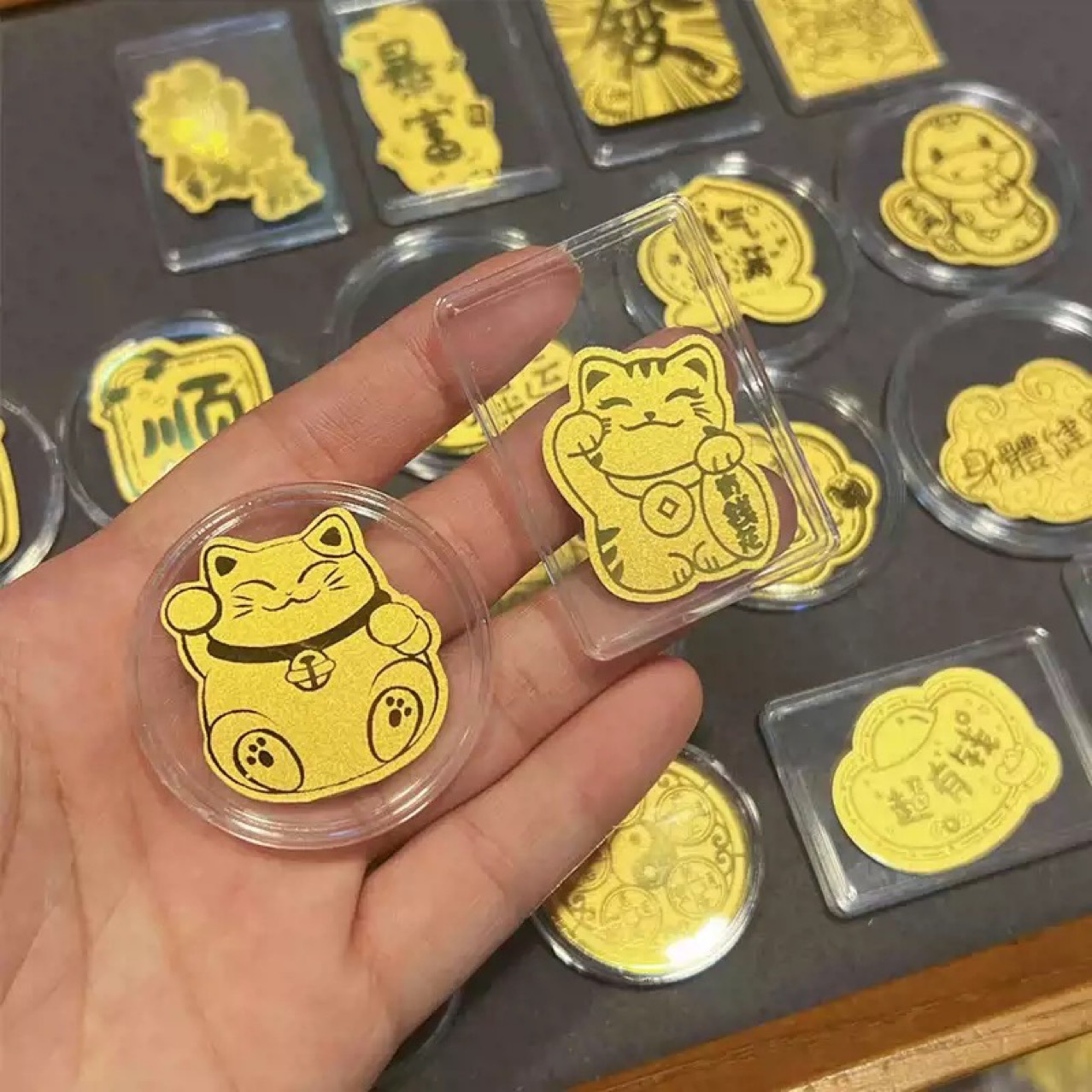
FAQ
How long does a gold sticker typically last outdoors?
The outdoor lifespan of a gold sticker ranges from two to seven years depending on UV intensity, temperature extremes, and moisture exposure levels. A gold sticker in shaded outdoor applications or protected storage typically outlasts exposed applications by several years. Premium gold sticker products with advanced protective coatings and sealed edge construction can maintain adhesion and appearance integrity for five to seven years in moderate outdoor conditions.
Can a gold sticker withstand frequent handling and flexing?
A gold sticker's ability to withstand repeated handling and flexing depends on the substrate material and adhesive flexibility balance. Stickers applied to rigid substrates experience less mechanical stress than those on flexible surfaces. High-quality permanent adhesives used in professional gold sticker products maintain flexibility across temperature ranges, allowing the gold sticker to accommodate substrate movement without cracking or edge separation during normal handling and storage.
What preparation steps maximize gold sticker durability?
Maximizing gold sticker durability begins with thorough substrate cleaning to remove oils, dust, and contaminants. Surface smoothing and primer application improve adhesive contact and create stronger chemical bonds. Allowing proper cure time after gold sticker application ensures the adhesive fully develops its permanent strength. Avoiding exposure to extreme temperature fluctuations during initial cure phases helps a gold sticker establish optimal molecular bonding and long-term stability.