
 EN
EN


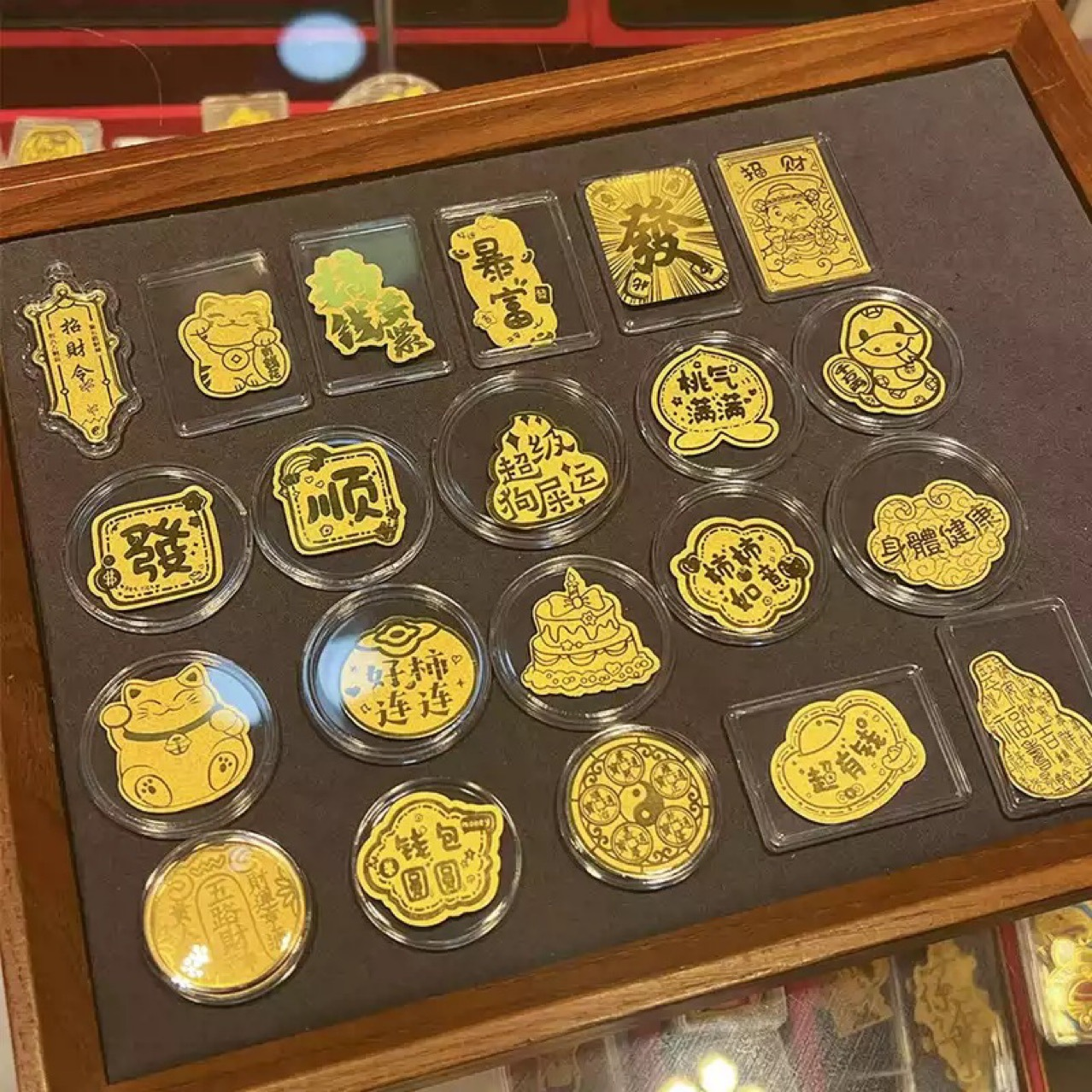
Manufacturing and applying gold sticker labels presents manufacturers and businesses with a unique set of technical, material, and operational hurdles. Unlike standard adhesive labels, gold sticker production demands precision in material selection, coating application, and quality control. From adhesion inconsistencies to design reproduction challenges, understanding these gold sticker obstacles helps producers optimize their processes and deliver superior results to end customers. This article examines the critical challenges that occur during gold sticker production and application, offering insight into how these issues develop and why they matter in competitive product labeling markets.

Effective gold sticker deployment requires understanding both the material science and practical production workflow. Producers face obstacles related to substrate compatibility, metallic ink adhesion, environmental resistance, and application consistency. When these gold sticker challenges are not properly addressed, the result is poor label performance, reduced brand perception, and customer dissatisfaction. By examining each challenge systematically, manufacturers can implement targeted solutions that strengthen their gold sticker output and maintain competitive advantage.
Material Durability and Substrate Compatibility Challenges
Adhesive Bond Strength in Gold Sticker Production
Creating a reliable adhesive bond in gold sticker manufacturing requires balancing multiple material properties simultaneously. The gold metallic finish must adhere securely to substrate surfaces while maintaining flexibility during application and transport. Gold sticker adhesive systems must withstand temperature fluctuations, humidity exposure, and mechanical stress without peeling or lifting. Many producers struggle with adhesive formulations that accommodate both the metallic coating layer and the underlying label substrate, as traditional adhesives may not bond effectively to reflective metallic surfaces.
Substrate selection significantly influences gold sticker performance. Different materials such as vinyl, polyester, or specialty film require different adhesive chemistries. If producers select incompatible adhesive and substrate combinations, the gold sticker label will fail during application or shortly thereafter. Testing adhesion across multiple substrate types before full production of gold sticker batches prevents costly rework and customer complaints. Many manufacturers discover adhesion problems only after labels reach the field, creating supply chain disruptions and brand damage.
Environmental Resistance and Gold Sticker Degradation
Gold sticker labels must withstand diverse environmental conditions depending on their end-use application. Exposure to sunlight, moisture, chemical solvents, and temperature extremes can degrade metallic coatings and compromise label integrity. The gold sticker finish may fade, lose reflectivity, or become brittle when exposed to ultraviolet radiation over extended periods. Manufacturers must incorporate UV-protective additives and weather-resistant polymers to ensure gold sticker longevity, adding complexity and cost to formulation development.
Water and moisture resistance represents another critical gold sticker challenge. Labels applied to products in humid environments, refrigerated storage, or outdoor exposure face delamination and adhesion failure if not properly formulated. The gold sticker metallic layer can trap moisture against the substrate, accelerating corrosion and adhesive breakdown. Selecting breathable yet water-resistant materials and incorporating anti-fungal additives helps mitigate these gold sticker durability issues, but manufacturers must balance these protective measures against production cost and application ease.
Design Reproduction and Printing Process Complexity
Metallic Ink Transfer and Color Consistency
Reproducing intricate designs onto gold sticker labels demands specialized printing technology and technical expertise. Traditional inkjet and flexographic printing methods struggle with metallic gold inks because the particles scatter light differently than standard pigments, creating inconsistent color appearance across batches. Achieving uniform gold sticker appearance requires precise ink viscosity, application pressure, and curing temperature control. Many producers find that gold sticker ink formulations drift during production runs, resulting in color mismatch between early and late production units.
The gold sticker ink selection itself presents multiple technical challenges. Metallic gold inks must contain fine metal particles suspended in a compatible carrier fluid, but particle size distribution directly affects print quality and application consistency. Smaller particles provide better detail reproduction but settle and separate more readily during storage. Larger particles resist settling but produce coarser, less refined gold sticker finishes. Producers must balance these competing requirements while maintaining gold sticker ink stability for extended shelf life.
Multi-Layer Coating and Registration Accuracy
Many premium gold sticker products require multiple coating layers: a base metallic layer, protective top coat, and sometimes embossed or textured surface treatments. Applying these layers precisely without misalignment creates significant production difficulty. Gold sticker registration errors occur when successive layers shift slightly during printing, resulting in visible color fringing, blurred details, or exposed substrate edges. Each additional layer in gold sticker production introduces another opportunity for misalignment and quality degradation.
Embossing or 3D texturing of gold sticker labels adds another layer of complexity to design reproduction. The embossing process must apply sufficient pressure to create dimensional effects without damaging the underlying metallic coating or compromising adhesive integrity. Timing and temperature coordination between coating application and embossing is critical for successful gold sticker production. Producers who rush this process or use inadequate equipment find that embossed gold sticker labels crack, peel, or lose their dimensional appearance during application.
Application and Installation Workflow Obstacles
Manual and Automated Application Challenges
Applying gold sticker labels to product surfaces presents both manual and automated difficulties. For manual application, workers must position each gold sticker precisely while avoiding wrinkles, air bubbles, and adhesive smearing. The metallic surface of gold sticker labels can be slippery and difficult to grip, increasing handling errors and installation time. Inconsistent manual pressure during application leads to incomplete adhesive contact, particularly on curved or textured surfaces, causing premature failure of the gold sticker label.
Automated gold sticker application systems face calibration and sensing challenges. Optical systems designed to position standard labels often struggle with reflective gold sticker surfaces, as the metallic finish confuses vision sensors and alignment cameras. The gold sticker label's dimensional rigidity and slight brittleness can cause jams or misfeeds in mechanical applicators. Many manufacturers invest in custom-engineered gold sticker application equipment with specialized sensors and pressure controls, increasing capital costs and implementation complexity.
Surface Preparation and Substrate Compatibility Issues
Proper surface preparation is essential for successful gold sticker adhesion, yet many products arrive at the labeling stage with contamination, dust, or release agent residues. Oils, fingerprints, or manufacturing residues on product surfaces prevent gold sticker adhesion, causing labels to peel within days of application. Producers must implement cleaning protocols and surface treatments to ensure gold sticker labels adhere reliably, adding labor and time to production workflows.
Curved and irregular product surfaces present another application obstacle for gold sticker labels. While flexible gold sticker materials can conform to slight curves, highly contoured surfaces or edges cause wrinkles and air pockets that compromise aesthetics and durability. The gold sticker metallic coating, being more brittle than standard label materials, is more prone to cracking when forced around sharp curves. Designers must account for product geometry when selecting gold sticker materials and adhesive formulations to ensure field application success.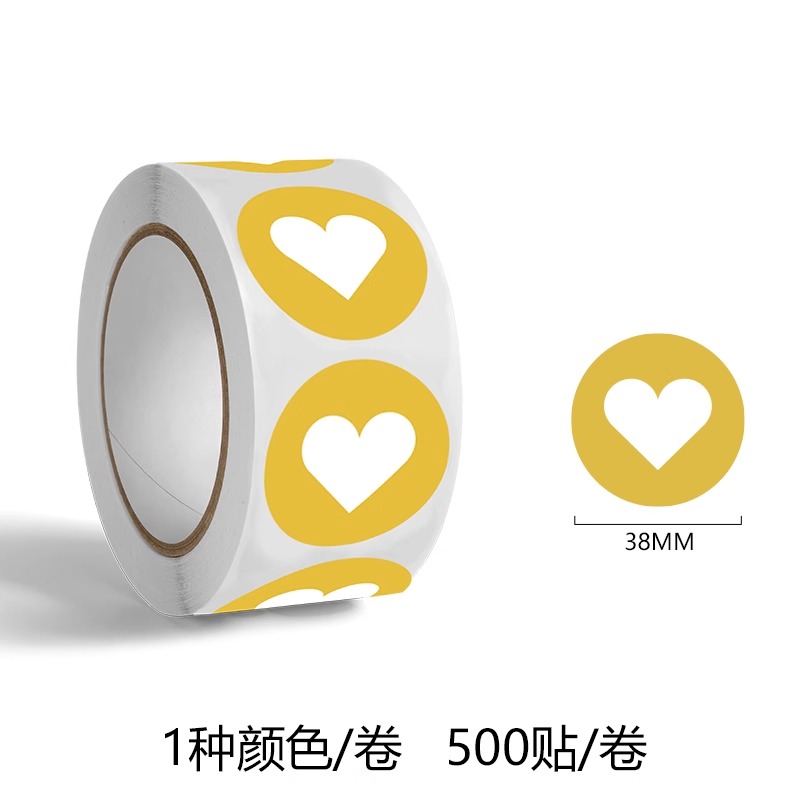
FAQ
What is the most common failure mode for gold sticker labels?
The most common failure occurs when the gold sticker loses adhesion and peels from the product surface. This typically results from improper surface preparation, incompatible adhesive selection, or environmental exposure. Moisture intrusion beneath the gold sticker metallic layer accelerates adhesion failure, especially in humid or refrigerated storage conditions. Addressing gold sticker failures requires careful attention to substrate material, adhesive chemistry, and environmental sealing.
How can manufacturers improve gold sticker consistency during production?
Manufacturers improve gold sticker consistency through rigorous process control, standardized material specifications, and regular quality testing. Implementing inline monitoring of metallic ink viscosity, temperature, and curing conditions ensures uniform gold sticker appearance across production batches. Using premium metallic ink formulations with stable particle suspension and investing in precision printing equipment significantly reduces gold sticker color drift and defects. Regular calibration of embossing equipment and layer registration systems prevents alignment errors that compromise gold sticker quality.
Are there special storage requirements for gold sticker materials?
Yes, gold sticker materials and finished labels require controlled storage to maintain quality and adhesive performance. Metallic inks are sensitive to temperature and humidity fluctuations, which can affect viscosity and particle stability in gold sticker batches. Storing gold sticker rolls in climate-controlled environments, away from direct sunlight and moisture, preserves ink properties and adhesive strength. Finished gold sticker labels should be kept in sealed packaging to prevent dust contamination and adhesive degradation before application to products.