
 EN
EN



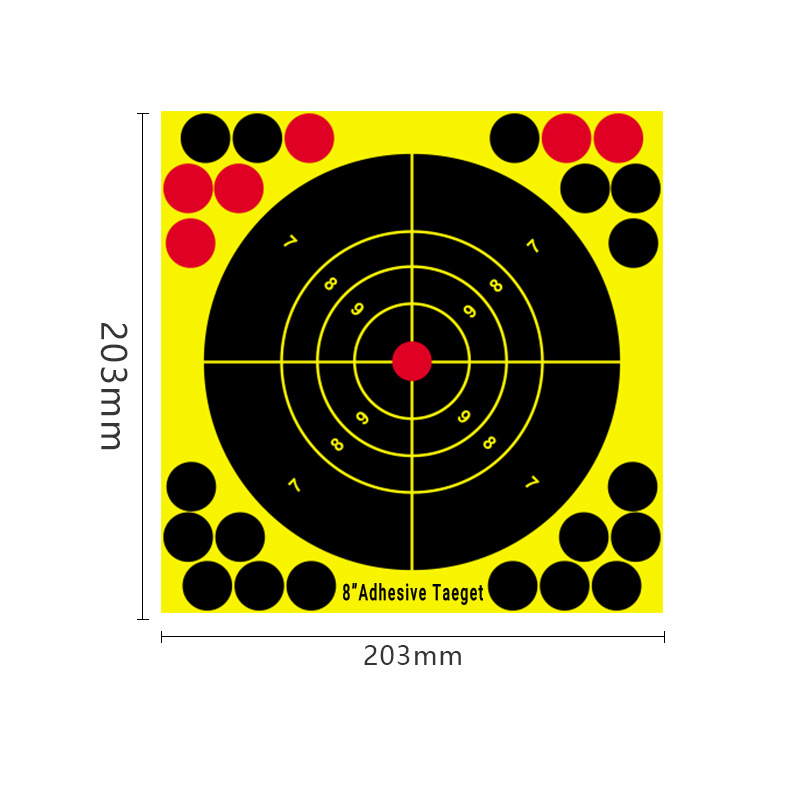
Selecting the right shooting target is far more than a procedural choice—it is a foundational element that directly influences your training effectiveness and long-term marksmanship development. Many shooters focus exclusively on firearm maintenance and technique refinement while overlooking how the specific characteristics of a shooting target shape their progress. The quality, visibility, feedback mechanism, and design of your shooting target determine whether your training sessions reinforce good habits or create frustrating plateaus. This distinction becomes especially critical in professional environments where accuracy training has measurable consequences for safety, performance, and operational readiness.
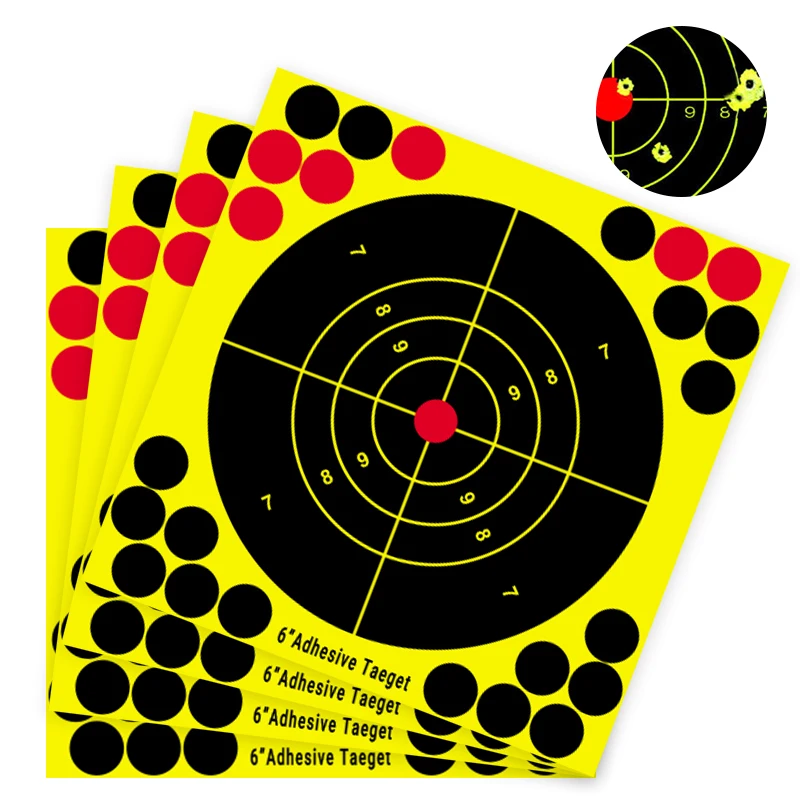
The impact of choosing an appropriate shooting target extends beyond personal preference. When shooters train with poorly designed or unsuitable targets, they receive delayed or ambiguous feedback about their shot placement, which undermines corrective learning. A properly selected shooting target provides immediate visual confirmation, clear scoring zones, and functional design elements that accelerate skill acquisition and build confidence. Understanding why shooting target selection matters helps trainers and shooters make informed decisions about equipment investments that directly affect training outcomes.
How Shooting Target Design Influences Feedback and Learning
Visual Clarity and Immediate Shot Confirmation
The effectiveness of any training program depends on immediate, unambiguous feedback. A quality shooting target must provide instant visual confirmation of where each round has impacted. Targets featuring high-contrast scoring rings, reactive splatter technology, or self-adhesive bullet-hole highlighting systems allow shooters to assess accuracy without walking downrange or using binoculars. This real-time feedback loop accelerates the learning process because shooters can instantly correlate trigger control, sight picture, and breathing technique with actual results. When a shooting target design includes clear visual markers, shooters develop faster neurological pathways that connect their actions to outcomes, which is essential for skill development.
The choice of shooting target materials also affects feedback quality. Reactive splatter targets, for example, create visible impact rings around each bullet hole, making distant shots visible from the shooter's position. This feature eliminates the need for frequent target inspections and keeps shooters focused on their fundamentals rather than administrative tasks. When shooters select a shooting target with poor contrast or inadequate visual feedback systems, training efficiency declines significantly because shooters cannot link their actions to results quickly enough.
Scoring Zone Precision and Training Specificity
Different training objectives require different shooting target configurations. A defensive handgun course demands a shooting target with clearly defined threat zones and vital area markers, while precision rifle training may require a shooting target with graduated ring systems for fine measurement of group size and accuracy. Selecting the appropriate shooting target for your specific training goal ensures that your practice directly reinforces the skills needed for your intended application. When shooters use a generic shooting target that does not align with their training objective, they practice the wrong skills or develop habits that do not transfer to real scenarios.
The specificity of a shooting target design also determines scoring consistency. Targets with precisely printed concentric rings, bullseye markers, or anatomically accurate threat zone outlines provide objective measurement criteria that eliminate subjective interpretation. This standardization is particularly important for competitive shooters or military personnel whose shooting target selection directly influences training validity and performance benchmarking.
Shooting Target Selection and Training Progression
Matching Target Difficulty to Skill Development Stages
Effective training programs progress through distinct skill development stages, and the shooting target selection must evolve accordingly. Novice shooters benefit from larger bullseyes and simpler designs that provide confidence-building feedback without overwhelming visual complexity. As shooters advance, selecting a more challenging shooting target with smaller scoring zones and greater demand for precision naturally progresses the difficulty curve. Instructors and trainers who understand this principle can strategically select the right shooting target at each training phase, ensuring that shooters neither stagnate through under-stimulation nor become discouraged through premature over-challenge.
The psychological impact of shooting target selection should not be underestimated. When shooters consistently hit poorly designed targets that do not clearly show their improvement, motivation declines. Conversely, a well-selected shooting target that delivers visible progress builds momentum and encourages continued training engagement. This motivational component is often overlooked but significantly affects long-term skill development and training consistency.
Environmental Factors and Shooting Target Durability
The physical environment where training occurs directly influences which shooting target selection is most practical and effective. Indoor range shooting requires a shooting target that does not generate excessive dust, fragmentation, or ricochets, while outdoor training may benefit from a more robust shooting target that withstands weather exposure and repeated impact trauma. Shooters who neglect environmental considerations when selecting a shooting target may find their equipment deteriorates rapidly, becomes difficult to read through damage, or introduces operational hazards that disrupt training flow.
Durability and reusability also affect the cost-effectiveness of shooting target selection. Targets designed for single use versus multiple-use applications serve different training contexts. High-volume training programs benefit from selecting a shooting target designed for repeated use with clear visibility even after accumulating multiple impact holes. Understanding these practical considerations ensures that your shooting target selection delivers both functional training value and reasonable operational costs.
Shooting Target Selection for Specialized Training Applications
Discipline-Specific Shooting Target Requirements
Competitive shooting disciplines, law enforcement training, military operations, and sport shooting each impose distinct requirements on shooting target selection. Competition shooters require a shooting target with precisely calibrated scoring zones that meet official standards, ensuring that training accuracy directly translates to competition performance. Law enforcement personnel need a shooting target that simulates threat scenarios and emphasizes shoot-decision accuracy, while tactical shooters may require a shooting target designed to test speed and accuracy under time constraints. When trainers understand these specialized demands, they can select a shooting target that reinforces the exact skills and decision processes required for their specific application.
Selecting an inappropriate shooting target for a specialized discipline creates a fundamental misalignment between training and operational reality. For example, using a simple bullseye shooting target for law enforcement defensive pistol training ignores the critical demand for quick threat assessment and decision-making under stress. Conversely, using complex scenario targets for precision rifle competition practice introduces irrelevant complexity that distracts from the specific skill being developed. Strategic shooting target selection ensures that every training session reinforces skills directly applicable to your intended use case.
Performance Measurement and Training Assessment
Objective performance measurement requires selecting a shooting target that enables clear documentation of progress over time. Targets with numbered grids, metric measurements, or standardized scoring systems allow trainers to quantify improvement and identify skill gaps with precision. This data-driven approach to training depends entirely on shooting target selection because poorly designed targets cannot provide the objective measurements necessary for valid progress assessment. Organizations and coaches who prioritize shooting target selection with measurement capability built in gain significant advantages in identifying which training methods work most effectively.
The ability to archive and compare shooting target results over extended periods enables longitudinal performance tracking. When shooters use consistent shooting target designs across multiple training sessions, they create comparable data that reveals performance trends, identifies plateaus, and demonstrates the effectiveness of specific training modifications. This systematic approach to shooting target selection transforms individual training sessions into part of a coherent long-term development program.
FAQ
What factors should I prioritize when selecting a shooting target for my training needs?
Prioritize three key factors when selecting a shooting target: first, ensure the target provides clear, immediate visual feedback appropriate to your training distance and lighting conditions; second, verify that the scoring zone design aligns with your specific training objective, whether that is defensive accuracy, competitive precision, or speed development; third, confirm that the shooting target material and construction suit your shooting environment and training volume requirements. A well-selected shooting target that addresses these three elements will deliver measurable improvements in training efficiency and skill progression.
How does shooting target quality affect the development of good shooting habits?
High-quality shooting target design directly shapes habit formation because shooters develop neurological associations between their actions and visible results. When a shooting target provides clear, immediate feedback, shooters efficiently learn which techniques produce accurate shots and which do not. Poor shooting target quality creates delayed or ambiguous feedback, which disrupts the learning loop and can reinforce incorrect techniques or create confusion about what actually caused poor results. Consistent use of a quality shooting target ensures that your training builds robust, reliable skills based on clear cause-and-effect relationships.
Can using the wrong shooting target negatively impact training progress?
Yes, selecting an inappropriate shooting target can significantly hinder training progress. An unsuitable shooting target may fail to provide relevant feedback for your specific skill level, provide ambiguous visual information that confuses learning, or create psychological frustration that reduces training engagement. Additionally, using a shooting target designed for a different discipline or skill level than your current needs means your training does not reinforce the specific skills necessary for your application. Intentional, purpose-driven shooting target selection is essential for ensuring that training time produces meaningful skill development rather than wasted effort.