
 EN
EN


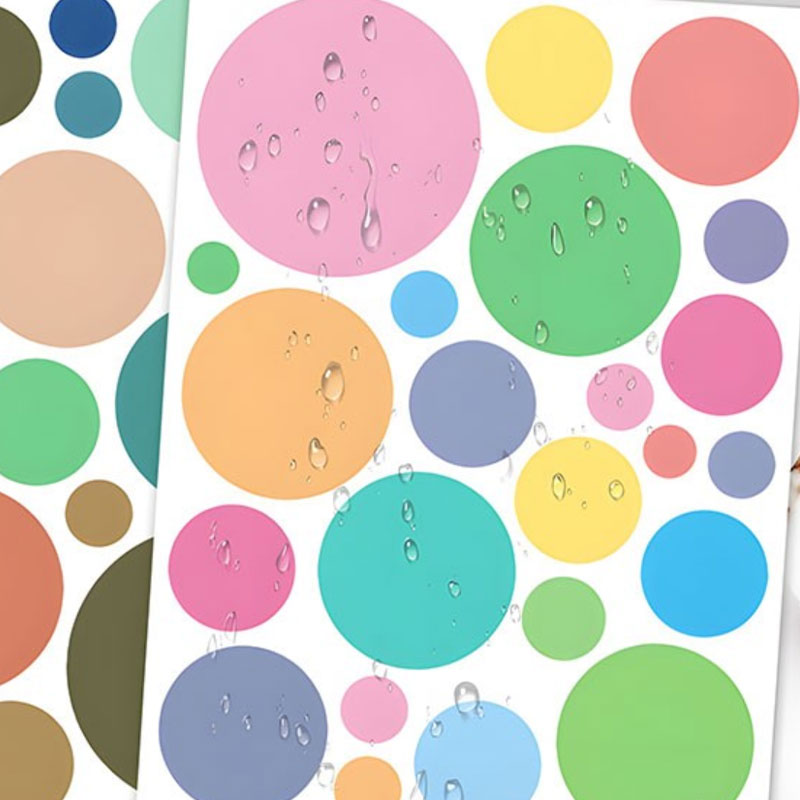
Waterproof stickers have become essential across industries, from product labeling to equipment identification and branding applications. However, not all waterproof stickers perform equally, and understanding what drives their adhesion and durability is critical for achieving reliable results. The performance of a waterproof sticker depends on multiple interconnected factors, including material composition, surface preparation, environmental conditions, and application techniques. Recognizing these influences allows businesses to select the right waterproof sticker solutions and implement them correctly for maximum longevity and visual appeal.
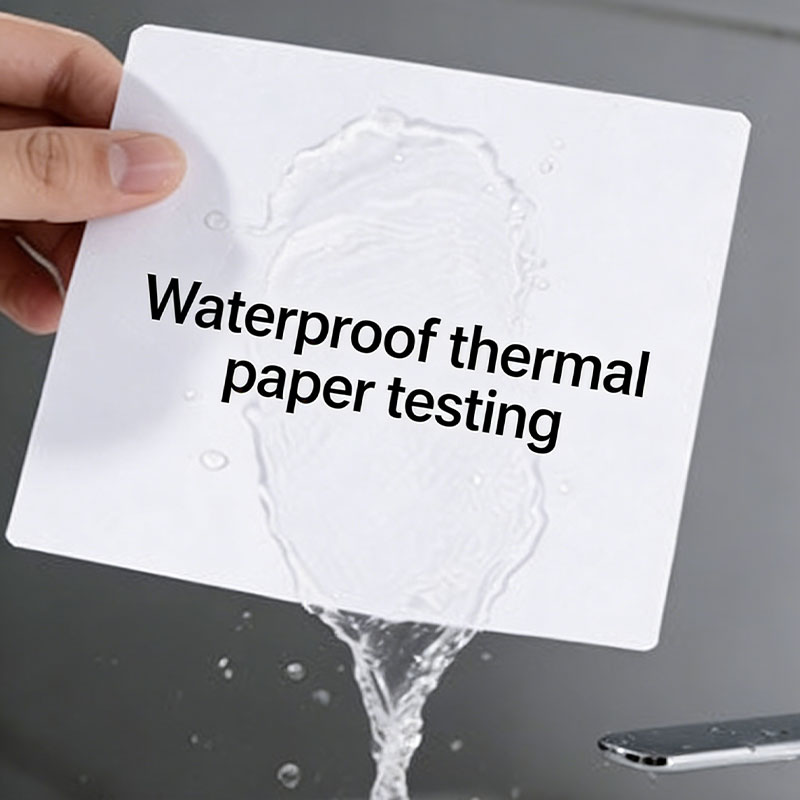
The adhesion strength and long-term durability of a waterproof sticker are not determined by a single element but rather by the synergy of several technical and environmental variables. When these factors align correctly, a waterproof sticker can withstand years of exposure to moisture, UV rays, temperature fluctuations, and mechanical stress. Understanding each factor empowers manufacturers, businesses, and end-users to make informed decisions about waterproof sticker selection, placement, and maintenance, ultimately reducing costly failures and replacement cycles.
Material Composition and Adhesive Type
Substrate Material Impact on Waterproof Sticker Performance
The base material of a waterproof sticker directly influences how well it resists environmental degradation and maintains adhesion over time. Premium waterproof sticker materials such as vinyl, polypropylene, and polyester provide superior water resistance compared to paper-based alternatives. Vinyl waterproof stickers, in particular, are engineered to prevent water penetration through their dense polymer structure, making them ideal for outdoor and wet environments. The thickness and density of the waterproof sticker substrate also affect durability, as thicker materials generally provide better protection against tears, punctures, and adhesive failure. Additionally, the surface finish of a waterproof sticker—whether matte, gloss, or textured—influences how water beads on the surface and how effectively the waterproof sticker resists moisture infiltration at the edges and seams.
Adhesive Chemistry and Water Resistance
The adhesive formulation behind a waterproof sticker is equally critical to its performance. Water-resistant adhesives are specifically engineered to maintain their grip even when exposed to moisture, humidity, and submersion. A high-quality waterproof sticker uses synthetic rubber or acrylic-based adhesives that polymerize and create strong molecular bonds with various surfaces while remaining impervious to water penetration. The waterproof sticker adhesive must also possess excellent initial tack—the ability to create an immediate strong bond—combined with long-term holding power that increases over the first 24 to 72 hours of application. Inferior adhesives used in lower-grade waterproof sticker products can soften, swell, or lose cohesion when exposed to prolonged moisture, causing edge lift and eventual failure of the waterproof sticker bond.
Surface Preparation and Application Conditions
Substrate Cleanliness and Surface Energy
Proper surface preparation is one of the most underestimated factors affecting waterproof sticker adhesion. Before applying a waterproof sticker, the target surface must be thoroughly cleaned of dust, oils, dirt, and contaminants that create a barrier between the waterproof sticker and the substrate. Surfaces with low surface energy—such as plastics, silicones, and powdercoated materials—present additional challenges for waterproof sticker adhesion because the adhesive molecules struggle to wet and spread across these non-polar surfaces. Many waterproof sticker manufacturers recommend using primers or surface treatments on challenging substrates to increase surface energy and ensure optimal waterproof sticker bonding. Temperature during application also matters significantly; applying a waterproof sticker in cold conditions can result in poor initial contact and reduced adhesion because the adhesive remains too viscous to flow and conform to the surface.
Pressure Application and Curing Time
Applying appropriate pressure during waterproof sticker installation ensures that the adhesive makes full contact with the substrate and eliminates air pockets that can trap moisture. Insufficient pressure compromises the waterproof sticker bond and creates pathways for water infiltration at the interface. Similarly, allowing adequate curing time before exposing the waterproof sticker to moisture, stress, or handling is essential for developing the full strength of the adhesive. A waterproof sticker typically achieves 50 percent of its ultimate strength within 24 hours but requires 72 hours or more to reach full bonding capacity. Rushing the application process or subjecting a waterproof sticker to harsh conditions immediately after installation dramatically reduces its effective lifespan and reliability.
Environmental Factors and Long-Term Exposure
Ultraviolet Light and Temperature Cycling
UV radiation is one of the most damaging environmental stressors for a waterproof sticker, as it breaks down polymer chains and causes discoloration, brittleness, and adhesive degradation over time. Even advanced waterproof sticker formulations can suffer from UV damage if exposed to intense sunlight without protective coatings or inks that absorb UV light. Temperature fluctuations present another critical challenge to waterproof sticker durability; repeated expansion and contraction cycles stress the bond interface and can cause the waterproof sticker to lift at the edges or develop wrinkles. Outdoor waterproof sticker applications in regions with extreme temperature ranges face accelerated aging and potential loss of adhesion if the materials are not specifically engineered to handle thermal cycling. The adhesive used in a waterproof sticker must maintain its flexibility and hold at both high temperatures—where it might soften and lose grip—and low temperatures, where it can become brittle and crack.
Humidity, Moisture Immersion, and Chemical Exposure
Sustained exposure to high humidity or direct contact with water tests the waterproof sticker's capacity to prevent moisture ingress at the edges and seams. While a quality waterproof sticker is designed to repel water from its surface, edge sealing and the integrity of the adhesive-substrate interface are critical; water that penetrates through the waterproof sticker edges can cause adhesive swelling and loss of bond strength. For applications involving chemical exposure—such as automotive, marine, or industrial environments—the waterproof sticker must resist degradation from oils, solvents, chlorinated water, and other corrosive substances. The chemical composition of both the waterproof sticker substrate and its adhesive must be compatible with the specific environment to ensure that performance does not degrade over time. Waterproof sticker products designed for specific industries often incorporate specialized additives to enhance resistance to particular chemicals and environmental challenges.
FAQ
What is the main difference between a waterproof sticker and a standard sticker?
A waterproof sticker differs fundamentally from a standard sticker in material composition, adhesive formulation, and engineering for moisture resistance. Standard stickers use paper or basic plastic substrates with adhesives that weaken when exposed to water, while a waterproof sticker employs dense, non-porous materials like vinyl or polyester combined with moisture-resistant synthetic adhesives. The waterproof sticker is engineered to maintain adhesion, appearance, and integrity even after prolonged exposure to water, humidity, and environmental stress, making it suitable for outdoor, marine, and wet-environment applications where standard stickers would fail within days or weeks.
How long does a waterproof sticker typically last outdoors?
The lifespan of a waterproof sticker outdoors depends on material quality, environmental severity, and UV exposure intensity. A premium-grade waterproof sticker can last three to five years or longer in moderate outdoor conditions with adequate UV protection, while harsh environments—such as direct coastal exposure or intense desert sunlight—may reduce that timeframe to two to three years. Factors like surface preparation, installation technique, and post-application care significantly influence how long a waterproof sticker maintains its adhesion and visual appearance in real-world outdoor settings.
Can a waterproof sticker be applied to wet or damp surfaces?
Applying a waterproof sticker to wet or actively damp surfaces is not recommended because trapped moisture prevents the adhesive from making proper contact with the substrate and compromises the waterproof sticker bond. The adhesive requires a clean, dry surface to flow, wet, and form strong molecular bonds; water creates a barrier that blocks these interactions. For best results, surfaces should be cleaned thoroughly and allowed to dry completely before applying a waterproof sticker, ensuring maximum adhesion strength and long-term performance of the sticker in its intended application environment.