
 EN
EN


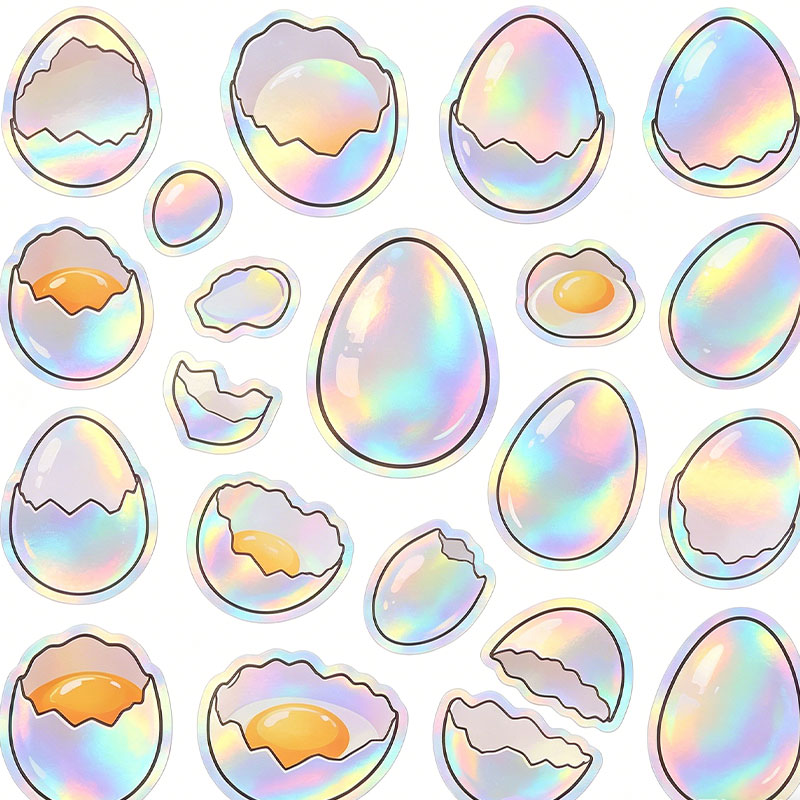
Selecting the right holographic sticker for your application requires understanding the critical performance metrics that determine success in the field. A holographic sticker must balance visual appeal with practical durability, adhesion strength, and resistance to environmental stressors that could compromise its effectiveness over time. Whether you're applying holographic stickers to product packaging, promotional materials, security labels, or craft items, evaluating performance criteria ensures that your investment delivers both aesthetic impact and long-term reliability.
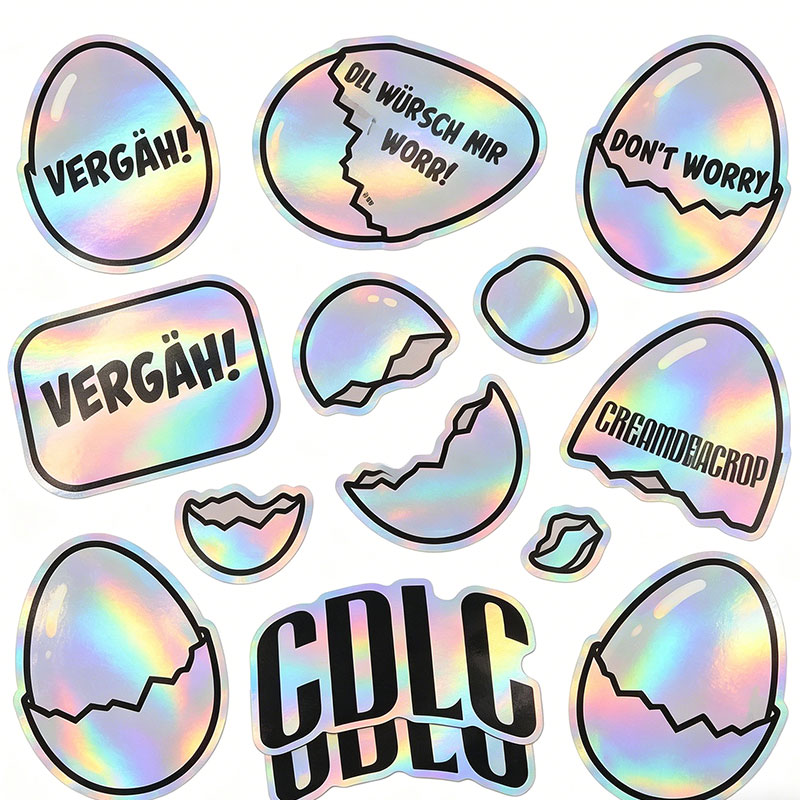
The performance of a holographic sticker depends on multiple interdependent factors that work together to determine how well it performs in real-world conditions. Understanding these criteria helps you make informed purchasing decisions and ensures that your holographic sticker application meets both functional and aesthetic objectives. This guide walks you through the essential performance metrics that matter most when evaluating holographic stickers for your specific use case.
Adhesion Strength and Surface Bonding
Understanding Adhesive Performance in Holographic Sticker Products
The adhesive backbone of any holographic sticker determines how securely it bonds to your chosen surface. A high-quality holographic sticker uses pressure-sensitive adhesive formulated to create immediate contact adhesion while maintaining long-term holding power across diverse material types. The holographic sticker adhesive must perform consistently on plastic, metal, glass, paper, and coated surfaces without degrading or leaving residue.
When evaluating adhesive performance in your holographic sticker selection, test the initial tack—how quickly the sticker grips the surface upon application—and the sustained peel resistance over weeks and months. A holographic sticker with inadequate adhesive strength may peel at edges, curl, or separate entirely from the substrate, ruining your branding or security application. Conversely, excessive adhesive can make removal difficult and leave sticky residue that damages the underlying surface, creating customer dissatisfaction and practical problems during installation or removal.
Temperature and Environmental Adhesion Stability
Adhesive performance in a holographic sticker varies significantly across temperature ranges and humidity levels. Your holographic sticker must maintain consistent adhesion whether exposed to freezing conditions, high heat, direct sunlight, or moisture-rich environments. The adhesive chemistry in premium holographic sticker formulations uses temperature-stable compounds that don't soften excessively in heat or become brittle in cold, ensuring reliable performance across seasonal and geographic variations.
For applications where your holographic sticker faces refrigeration, outdoor weathering, or industrial temperature cycles, adhesive stability testing becomes critical. A holographic sticker designed for general indoor use may fail catastrophically when exposed to extreme conditions, so matching adhesive performance to your actual application environment prevents costly product recalls and customer complaints. Testing your holographic sticker under real-world temperature extremes before full-scale deployment provides confidence in long-term reliability.
Visual Quality and Color Retention
Holographic Effect Clarity and Rainbow Reflectivity
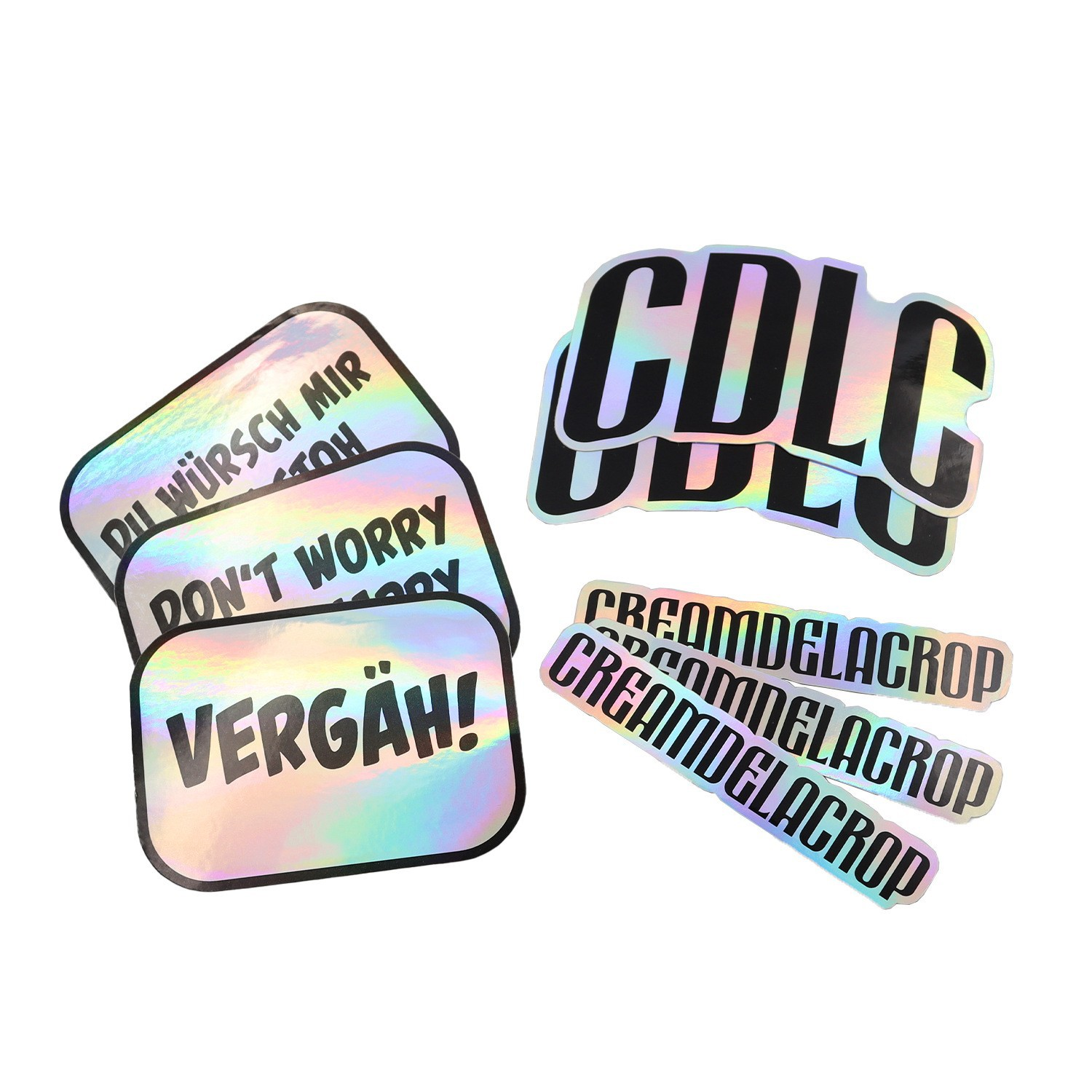
The distinctive visual character of a holographic sticker comes from its layered metallic film that produces rainbow reflections and three-dimensional optical effects. Evaluating the clarity and consistency of this holographic effect requires examining how the rainbow spectrum appears across different viewing angles and lighting conditions. A superior holographic sticker displays sharp, distinct color transitions and strong reflectivity without clouding, scratches, or dull spots that diminish visual impact and perceived quality.
When assessing holographic sticker visual performance, test samples under various lighting scenarios—fluorescent, natural daylight, LED—to ensure the rainbow effect remains vibrant and eye-catching across real-world conditions. The holographic sticker should maintain optical clarity even after handling, application pressure, and light exposure. Poor-quality holographic stickers develop hazing or color shift over time, appearing faded or discolored, which undermines brand perception and authentication credibility if your holographic sticker serves security purposes.
Ink Quality and Print Definition
Most holographic sticker applications include printed text, logos, or custom graphics overlaid on the holographic film base. The ink quality directly impacts readability, brand perception, and professional appearance of your holographic sticker design. High-quality holographic sticker production uses UV-resistant inks with sharp edge definition, vibrant color saturation, and consistent coverage across intricate graphic elements without bleeding, smudging, or fading under normal exposure conditions.
Evaluating your holographic sticker print quality means checking for fine detail reproduction, color accuracy to your design specifications, and durability of printed elements against rubbing, moisture, and UV exposure. A holographic sticker with poor ink adhesion will show smudging or peeling of printed areas during handling or application. For branded holographic sticker applications, print quality directly influences customer perception and reflects your brand professionalism, making this performance criterion essential for premium positioning.
Environmental Durability and Material Resilience
UV Resistance and Outdoor Weathering Performance
Outdoor exposure presents severe environmental stressors that test the complete durability profile of your holographic sticker. UV radiation degradation, moisture absorption, temperature cycling, and physical weathering can rapidly degrade a holographic sticker if its material composition lacks proper protective coatings and formulation. Premium holographic sticker materials incorporate UV-absorbing compounds and protective clear coat layers that shield the holographic film and ink from photodegradation that causes fading, color shift, and loss of optical clarity.
The expected lifespan of a holographic sticker under outdoor conditions depends heavily on climate, orientation, and intensity of UV exposure in your geographic location. A holographic sticker rated for three-year outdoor durability in temperate climates may fail within months in intense tropical sunlight. Testing your holographic sticker's UV resistance through accelerated weathering protocols or real-world outdoor exposure in your target climate provides realistic expectations and prevents premature failure that generates warranty claims and customer frustration.
Moisture Resistance and Material Waterproofing
Water exposure represents a critical performance challenge for holographic sticker applications in humid environments, near water sources, or on products exposed to regular moisture contact. A quality holographic sticker uses waterproof materials—typically vinyl or synthetic polymer films—that resist moisture absorption, prevent edge lifting, and maintain adhesive bond strength when wet. The holographic sticker backing material and adhesive formulation must resist water penetration that causes delamination, color bleeding, or complete separation from the substrate.
For beverage packaging, outdoor labeling, or bathroom products where your holographic sticker faces frequent water contact, moisture resistance becomes non-negotiable. Testing holographic sticker performance in immersion tests, humidity chambers, and splash conditions reveals how well the material and adhesive systems withstand real-world moisture exposure. A holographic sticker designed for dry applications will rapidly deteriorate when exposed to continuous moisture, compromising both functionality and aesthetic appeal that customers expect from premium branded products.
FAQ
What makes a holographic sticker suitable for outdoor packaging applications?
A holographic sticker suitable for outdoor packaging requires strong UV resistance coatings that prevent color fading and optical clarity loss over months of direct sunlight exposure. The holographic sticker adhesive must maintain consistent bonding across temperature fluctuations and humidity variations typical of outdoor storage environments. Additionally, the holographic sticker material should be waterproof or water-resistant to handle morning dew, rain, and humidity without edge lifting, delamination, or visible degradation of the holographic effect.
How do you test the adhesion strength of a holographic sticker before purchase?
Testing holographic sticker adhesion involves applying sample stickers to representative substrates used in your application, then performing peel tests at multiple intervals—immediately after application, after 24 hours, and after weeks of exposure to your target environment. A high-quality holographic sticker should maintain secure adhesion without peeling edges or shifting position under normal handling. You can also perform temperature cycling tests on your holographic sticker samples, exposing them to freeze-thaw or heat-cool cycles that simulate real-world seasonal conditions and reveal adhesive weakness before full deployment.
Can holographic sticker performance vary between different suppliers and manufacturing methods?
Yes, holographic sticker performance varies significantly based on film quality, adhesive formulation, ink systems, and manufacturing standards used by different suppliers. A holographic sticker from premium manufacturers typically includes higher-grade holographic films with superior optical clarity, UV-protective coatings, and precision die-cutting that ensures clean edges. Lower-cost holographic sticker options often use thinner films, lower-quality adhesives, and less refined manufacturing processes that result in shorter lifespan, reduced adhesion reliability, and diminished visual appeal compared to premium holographic sticker products.