
 EN
EN


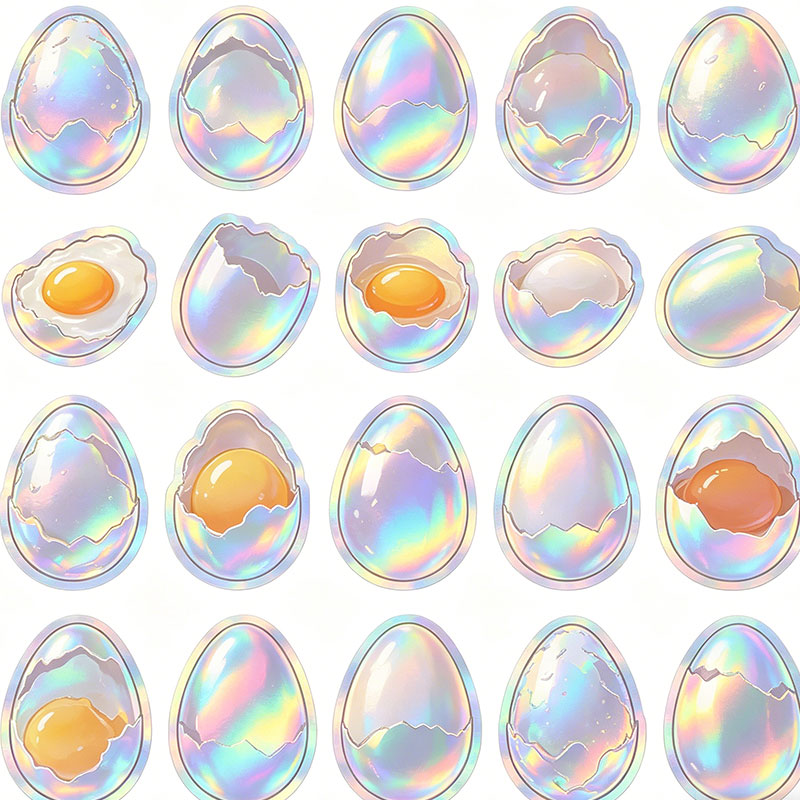
The modern marketplace demands authenticity and visual distinction. Brands competing for consumer attention have turned to holographic sticker solutions to differentiate their products and protect their reputation. A holographic sticker transforms ordinary packaging into a striking visual experience while simultaneously providing security features that counterfeiters cannot easily replicate. Understanding why a holographic sticker matters requires examining the intersection of aesthetics, consumer psychology, and anti-counterfeiting technology that defines premium packaging today.
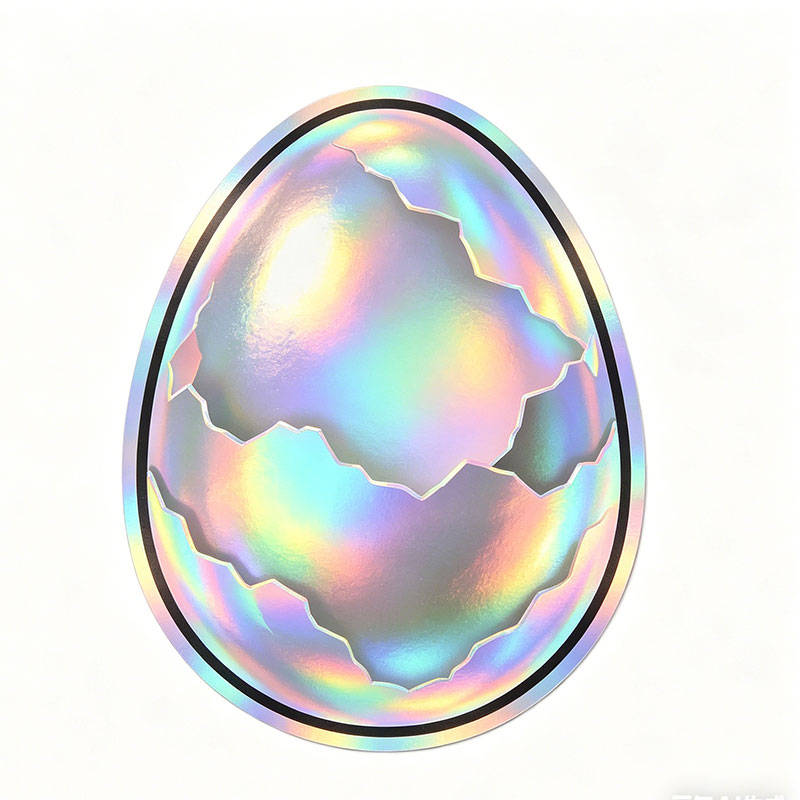
Premium packaging represents far more than containment. It communicates brand value, signals quality, and creates emotional connection with consumers. A holographic sticker elevates this communication by adding an element of exclusivity and technical sophistication that standard labels cannot achieve. When consumers encounter a holographic sticker on a product, they perceive higher quality, increased legitimacy, and premium positioning. This psychological advantage directly influences purchasing decisions and brand loyalty, making a holographic sticker a strategic investment rather than a decorative choice.
The Visual Impact and Brand Differentiation
Creating Immediate Market Recognition
A holographic sticker catches light and attention in ways that flat, printed labels simply cannot match. The three-dimensional, color-shifting properties of a holographic sticker make products immediately noticeable on crowded retail shelves. This visual distinction is particularly valuable in competitive markets where brands fight for shelf space and consumer attention. When a holographic sticker adorns premium packaging, it sends a clear signal that the product inside merits special consideration. The investment in a holographic sticker design reflects directly in consumer perception of product value and brand credibility.
Psychological Effects on Consumer Perception
Research in packaging psychology demonstrates that a holographic sticker triggers positive associations with innovation and quality. Consumers instinctively link the advanced appearance of a holographic sticker with advanced product formulation or superior manufacturing standards. This perception bias is not accidental; it reflects genuine consumer expectations that premium packaging correlates with premium contents. A holographic sticker leverages this cognitive pattern by visually signaling that a brand has invested heavily in product presentation, thereby suggesting comparable investment in the product itself. Luxury brands across cosmetics, electronics, and spirits industries routinely employ a holographic sticker precisely because of this perception multiplier effect.
Security and Anti-Counterfeiting Applications
Multi-Layered Authentication Technology
Counterfeiting represents a billion-dollar global problem affecting every major product category. A holographic sticker addresses this challenge through authentication features that are extremely difficult to duplicate. Unlike simple printed labels, a holographic sticker incorporates diffractive elements, microtext, color-shifting properties, and three-dimensional visual effects that require specialized equipment to replicate. When designed with proprietary patterns, a holographic sticker becomes nearly impossible to counterfeit without the original manufacturing technology. This makes a holographic sticker an essential component of comprehensive anti-counterfeiting strategies employed by pharmaceutical, luxury goods, and technology companies.
Protecting Brand Reputation and Revenue
Counterfeit products damage brand reputation and erode consumer trust. A holographic sticker provides consumers with a simple visual verification method that requires no specialized equipment or expertise. When customers can instantly recognize authentic products through a holographic sticker's distinctive appearance, they gain confidence in their purchases. This consumer-level authentication capability protects brand revenue by reducing the market share captured by counterfeiters. Companies that implement a holographic sticker experience measurable reductions in counterfeit incidents and associated brand damage. The security benefit of a holographic sticker therefore extends beyond product protection to encompass broader brand asset protection and market integrity.
Cost-Benefit Analysis for Premium Packaging
Long-Term Return on Investment
While the per-unit cost of a holographic sticker exceeds standard labels, the return on investment justifies the expense for premium product lines. Brands utilizing a holographic sticker report higher perceived value, stronger consumer preference, and measurable price premium acceptance. When consumers believe a product is authentic and premium, they demonstrate greater willingness to pay higher prices. A holographic sticker thus generates revenue uplift that typically exceeds its material cost within the first production run. Additionally, reduced counterfeiting through a holographic sticker implementation protects market share worth substantially more than the sticker investment. For premium packaging applications, a holographic sticker represents financial efficiency rather than mere aesthetic expense.
Market Positioning and Competitive Advantage
In saturated markets, differentiation determines success. A holographic sticker serves as a visible competitive advantage that signals premium positioning and technical sophistication. Competitors without a holographic sticker appear less advanced and less committed to quality assurance. This positioning advantage extends beyond individual sales to encompass brand equity and long-term market valuation. Companies that strategically deploy a holographic sticker in their packaging often experience improved retailer relationships, enhanced distributor confidence, and stronger end-consumer loyalty. The competitive benefit of a holographic sticker compounds over time as consumers learn to associate the feature with quality and authenticity.
FAQ
What materials can a holographic sticker be applied to?
A holographic sticker adheres effectively to most premium packaging materials including cardboard, rigid boxes, glass bottles, plastic substrates, and metallic surfaces. The key is surface preparation and selecting appropriate adhesive chemistry. Professional holographic sticker manufacturers provide guidance on substrate compatibility and recommend optimal application methods for different packaging types. Custom adhesive formulations can be specified to ensure a holographic sticker performs reliably across diverse production environments and storage conditions.
How does a holographic sticker compare to other security features?
A holographic sticker combines visual authentication with technical difficulty of reproduction, making it exceptionally effective compared to simple security threads or watermarks. While a holographic sticker may cost more per unit than basic security printing, it provides superior consumer confidence and counterfeit resistance. Many brands implement a holographic sticker as part of layered security approaches that also include serialization, QR codes, or blockchain verification, creating robust multi-factor authentication systems.
Can a holographic sticker be customized for specific brand requirements?
Yes, a holographic sticker design can be fully customized to incorporate brand logos, colors, sequential numbering, security microtext, and proprietary visual patterns. Professional holographic sticker manufacturers work with brands to develop unique designs that deliver both aesthetic appeal and security functionality. Custom dies, color specifications, and application methods can all be tailored to match specific premium packaging requirements and brand identity standards.