
 EN
EN




Selecting the right die cut sticker for a specific application is not simply a matter of choosing a shape or color. The performance of a die cut sticker under real-world conditions determines whether it will fulfill its intended purpose or fail prematurely. For B2B buyers, brand managers, and packaging professionals, understanding the right evaluation criteria is essential before committing to any production run.
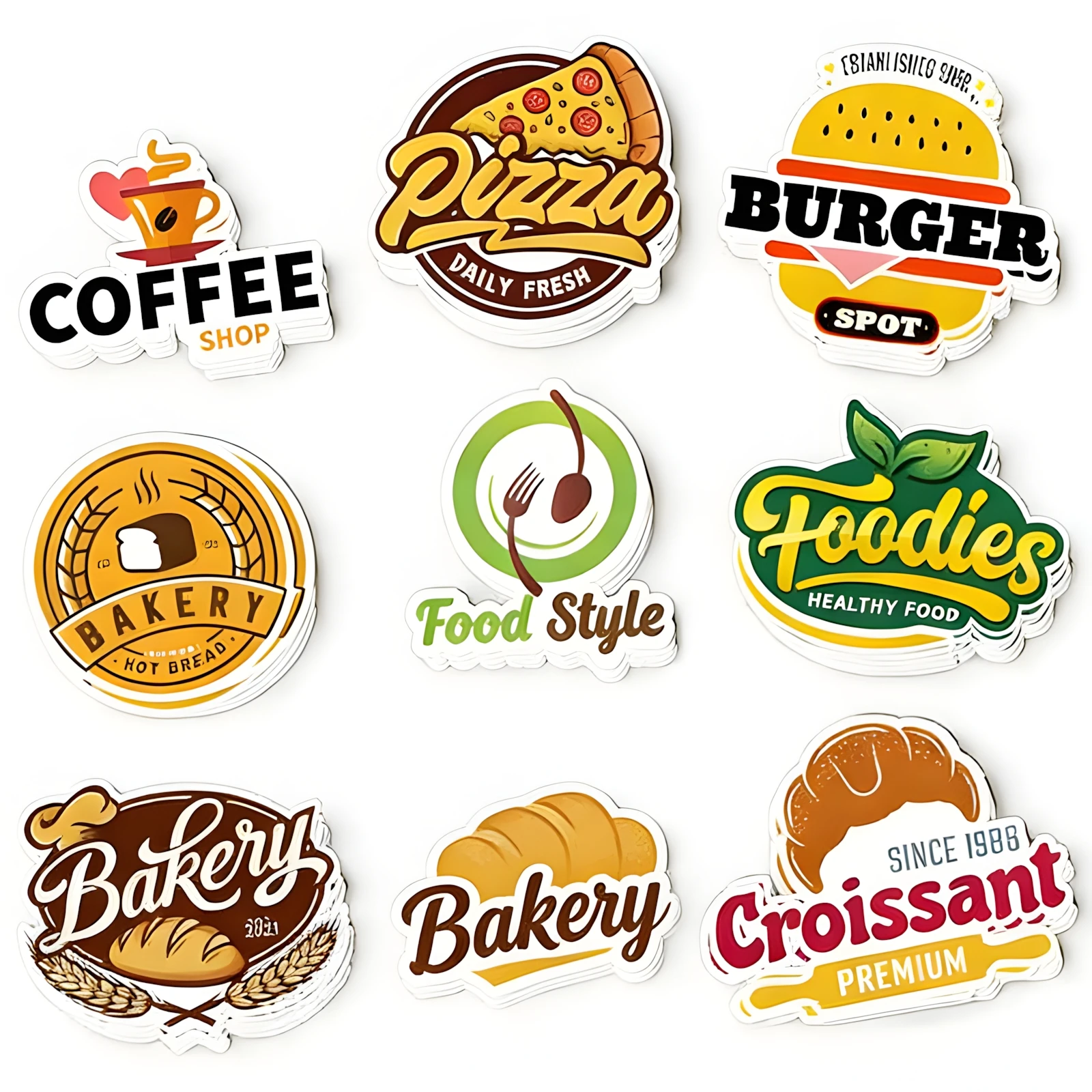
A die cut sticker may look flawless on screen or in a proof sample, yet perform poorly in the field if key performance attributes are overlooked. Whether the die cut sticker is being applied to candles, glass jars, craft packaging, or retail products, each surface and environment introduces unique demands. This article outlines the critical performance criteria every buyer should evaluate before finalizing a die cut sticker specification.
Material and Surface Compatibility
Substrate Selection for the Die Cut Sticker
The material used in a die cut sticker directly governs its compatibility with different application surfaces. Vinyl is among the most versatile substrates for a die cut sticker because it conforms to curved, textured, and irregular surfaces without cracking or peeling. Coated paper is another common option, offering a smooth printable surface that suits flat packaging but may underperform on curved or humid surfaces. For any die cut sticker intended for candle jars, craft boxes, or cosmetic containers, confirming substrate-to-surface compatibility should be the first evaluation step.
Adhesive Type and Bond Strength
The adhesive layer of a die cut sticker plays a critical role in long-term bond performance. A permanent adhesive die cut sticker is designed for surfaces where removal is not expected, creating a strong bond that resists lifting even in warehouse or retail environments. A removable adhesive die cut sticker allows clean removal without leaving residue, making it ideal for temporary labeling or promotional campaigns. Buyers should evaluate the adhesive type based on whether the die cut sticker needs to stay permanently bonded or be safely removed at some point in the product lifecycle.
Environmental Resistance and Durability
Moisture and Waterproof Performance
A die cut sticker used on products exposed to water, humidity, or condensation must demonstrate reliable waterproof performance. A vinyl die cut sticker with a laminated or coated finish resists moisture penetration far better than an uncoated paper die cut sticker. In applications involving candle packaging, bath products, or outdoor retail displays, a waterproof die cut sticker maintains edge integrity and print clarity even when exposed to repeated moisture contact. Evaluating the waterproof rating of the die cut sticker is non-negotiable for any wet-environment application.
UV Resistance and Color Fastness
When a die cut sticker is used on products displayed under store lighting or exposed to sunlight, UV resistance becomes a key durability criterion. Inks used in a die cut sticker can fade or shift color over time if they are not UV-stable. A high-quality die cut sticker produced with UV-resistant inks and a protective overlaminate maintains its original color fidelity far longer than a standard die cut sticker without such protection. Brand managers should request UV exposure test data when evaluating any die cut sticker for long-term display use. Color fastness directly affects perceived product quality and brand consistency across retail channels.
Print Quality and Visual Precision
CMYK Color Accuracy in Die Cut Sticker Production
Print quality is one of the most visible performance criteria for any die cut sticker. CMYK printing technology allows a die cut sticker to reproduce detailed artwork, gradients, and photographic imagery with high fidelity. However, color output can vary significantly based on the substrate, ink formulation, and printing equipment used. When evaluating a die cut sticker supplier, buyers should request printed samples that reflect the actual substrate and finish to be used in production. A die cut sticker that achieves accurate CMYK reproduction on the first proof reduces the need for costly reprints and delays.
Cut Precision and Edge Quality
The defining characteristic of a die cut sticker is its precisely cut shape, and that precision must be evaluated carefully. A well-executed die cut sticker should have clean, sharp edges that match the original artwork with minimal deviation. Poor cut registration on a die cut sticker results in white borders, misaligned shapes, or torn edges that degrade the overall appearance. For intricate designs such as logos, custom shapes, or branded icons, tight cut tolerance is especially important. Buyers should inspect cut samples under magnification to confirm that the die cut sticker meets the dimensional accuracy required for the intended application.
FAQ
What surface types work best for a die cut sticker?
A die cut sticker performs best on clean, smooth, and dry surfaces. Vinyl die cut sticker materials can also conform to slightly curved or textured surfaces. For best adhesion, the application surface should be free from oils, dust, or moisture before the die cut sticker is applied.
How do I know if a die cut sticker is truly waterproof?
A genuinely waterproof die cut sticker uses a moisture-resistant substrate such as vinyl combined with a sealed or laminated finish. You can test this by submerging a sample die cut sticker in water for several minutes and checking whether the edges lift, the print smears, or the adhesive weakens. A quality waterproof die cut sticker should show no degradation under brief water exposure.
Can a die cut sticker be used for both indoor and outdoor applications?
Yes, but the die cut sticker specification must be matched to the environment. An indoor die cut sticker may use paper-based materials with standard adhesive, while an outdoor die cut sticker requires UV-resistant inks, a durable vinyl substrate, and a weatherproof laminate. Always confirm the intended environment with your supplier before finalizing a die cut sticker order to ensure the correct material combination is selected.