
 EN
EN



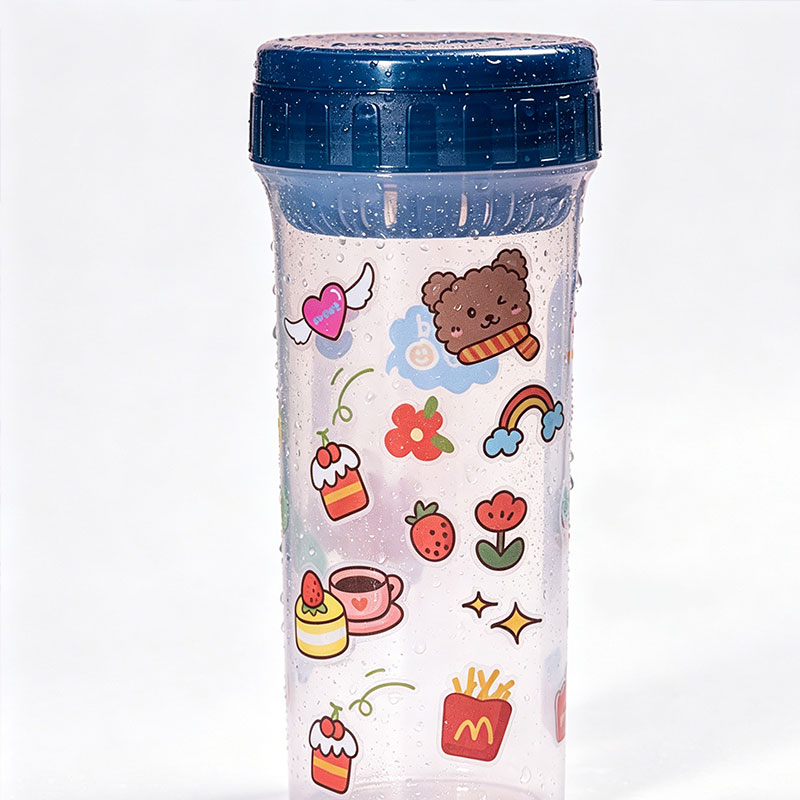
In today's competitive retail environment, packaging is far more than a protective shell. It is a direct communication tool between a brand and its customer. Among the many finishing techniques available to packaging designers, the emboss sticker stands out as a remarkably effective way to add physical dimension, tactile interest, and visual sophistication to any surface. Whether applied to a rigid box, a flexible pouch, or a glass bottle, an emboss sticker transforms a flat label into a three-dimensional experience that invites touch and commands attention.
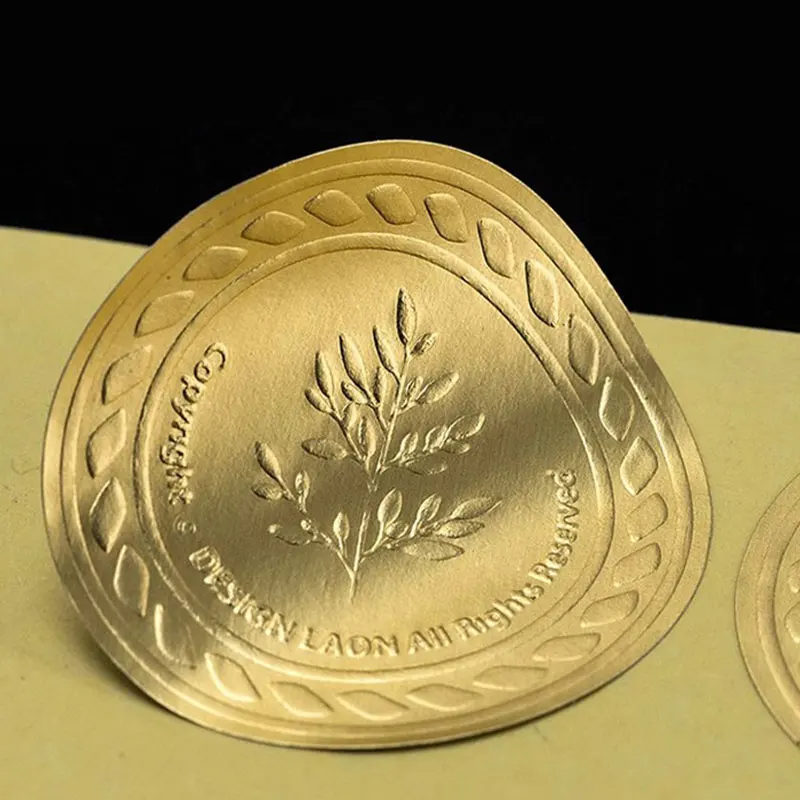
Understanding exactly how an emboss sticker works and why it enhances texture and depth so effectively requires a closer look at the production process, the materials involved, and the design principles behind its use. Brands that invest in an emboss sticker for their packaging consistently report stronger shelf presence, higher perceived product value, and improved customer engagement. This article explores the mechanism, applications, and strategic benefits of using an emboss sticker in modern packaging design.
The Mechanism Behind Emboss Sticker Texture
How Raised Relief Is Created on an Emboss Sticker
An emboss sticker achieves its distinctive raised surface through a process of applying controlled pressure to label material using custom-engraved dies. The die presses against the substrate from one side, while a counter-die supports the opposite side, causing the material to deform upward and hold a permanent three-dimensional shape. The result is a crisp, tactile relief that brings logos, borders, text, or decorative motifs to life with remarkable definition. Because the emboss sticker structure is created through physical displacement rather than ink layering, it produces depth that both the eye and the fingertip can detect immediately.
The emboss sticker process can be applied to a range of substrates including paper, foil, and specialty synthetic materials. When foil lamination is added alongside the emboss sticker technique, highlights catch light at varying angles, further amplifying the perception of depth. This combination makes the emboss sticker especially popular among premium cosmetics, spirits, gourmet food, and luxury goods brands seeking a distinctive tactile signature on their packaging.
Material Selection and Its Impact on Emboss Sticker Quality
The quality of an emboss sticker depends significantly on the chosen material. Thicker, higher-caliper papers retain emboss sticker relief more crisply and resist flattening during application and use. Matte-finish substrates allow the tactile emboss sticker texture to be felt more intuitively because there is no gloss layer to visually compete with the raised relief. Foil-laminated materials, on the other hand, add a reflective dimension that makes the emboss sticker visually striking under retail lighting conditions. Selecting the right material is therefore a critical step in ensuring that the emboss sticker delivers both the tactile and visual depth the designer intends.
Design Principles That Maximize Emboss Sticker Depth
Using Contrast and Simplicity to Amplify the Emboss Sticker Effect
Effective emboss sticker design relies on strategic contrast between raised and recessed areas. When a designer isolates a brand mark, a seal shape, or a key typographic element as the primary raised zone of an emboss sticker, the eye naturally travels to that focal point. Surrounding the raised emboss sticker element with a matte or subtly textured background intensifies the perception of depth because the contrast highlights the dimensional difference. Overcrowding a design reduces the visual impact of an emboss sticker because the raised areas compete with one another, diffusing the depth effect across too many competing elements.
Simplicity is therefore a guiding principle in emboss sticker design. A single bold logo rendered as a deep emboss sticker relief reads with far greater authority than a complex illustration split across multiple shallow emboss sticker zones. Designers working with emboss sticker applications often refine their artwork to prioritize clean, bold outlines that translate cleanly into the die engraving stage. This discipline ensures that the finished emboss sticker communicates brand identity with maximum clarity and tactile impact.
Combining Emboss Sticker with Foil and Color for Layered Visual Depth
One of the most powerful strategies in premium packaging is layering an emboss sticker with complementary finishing techniques. Applying a gold or silver foil hot-stamp directly over an emboss sticker area creates a multi-sensory effect where the foil's reflective surface rides along the raised contours of the emboss sticker relief. Selective spot UV coating can further define boundaries between the raised emboss sticker zones and surrounding flat areas, adding a layer of tactile contrast that enriches the overall packaging experience. These combinations position an emboss sticker not merely as a label but as a design element that communicates premium quality through multiple sensory channels simultaneously.
Strategic Applications of Emboss Sticker in Packaging
Where Emboss Sticker Delivers the Strongest Brand Impact
An emboss sticker is most strategically effective when placed at high-visibility locations on packaging, such as the front panel of a rigid box, the closure seal of a premium bag, or the front label of a glass bottle. At these positions, the emboss sticker serves as the first tactile touchpoint when a consumer lifts or examines the product. This moment of physical discovery plays a powerful role in shaping perceived product quality. Research in sensory marketing consistently shows that tactile packaging elements like an emboss sticker elevate the consumer's estimation of the product inside, creating a positive quality association before the product is even opened.
Industries including luxury skincare, artisan food, premium spirits, jewelry, and high-end stationery have long recognized the emboss sticker as a reliable indicator of brand investment and craftsmanship. An emboss sticker applied as a closure seal on a gift box also adds functional value by reinforcing the unboxing ritual. The act of breaking an emboss sticker seal creates a satisfying ceremonial moment that strengthens brand memory and encourages sharing on social platforms.
Scaling Emboss Sticker Use Across Product Lines
For brands managing multiple product lines, standardizing an emboss sticker design element across the entire range creates a cohesive visual and tactile identity. A consistent emboss sticker shape or pattern used across variants communicates brand discipline and attention to detail. Even when the color palette or label layout changes between products, the recurring emboss sticker element anchors the line within a shared sensory identity. This consistency builds brand recognition across retail environments and supports the broader positioning of the brand as a premium, design-conscious entity.
FAQ
What surfaces can an emboss sticker be applied to?
An emboss sticker can be applied to a wide variety of packaging surfaces including cardboard boxes, paper bags, glass bottles, plastic containers, and metal tins. The adhesive backing of a self-adhesive emboss sticker allows it to bond effectively to smooth and semi-textured surfaces. Curved surfaces may require a flexible emboss sticker substrate to ensure full contact and clean adhesion without lifting at the edges.
How does an emboss sticker differ from a deboss sticker?
An emboss sticker creates a raised relief where the design element stands above the surrounding surface, while a deboss sticker presses the design element below the surface level. Both techniques add tactile depth to packaging labels, but an emboss sticker tends to draw the eye upward and forward, making it more visible under angled lighting. A deboss sticker creates a more subtle, recessed texture that conveys a different aesthetic mood, often associated with understated luxury.
Can an emboss sticker be combined with digital printing?
Yes, an emboss sticker can be combined with digital printing to integrate photographic imagery, complex gradients, or variable data alongside the raised emboss sticker relief. In this hybrid approach, the digital print layer handles color complexity while the emboss sticker die adds the tactile dimension. The two processes are applied in sequence, and with careful registration, the emboss sticker relief can align precisely with printed design elements to produce a layered, high-impact label finish suitable for short-run premium packaging projects.