
 EN
EN



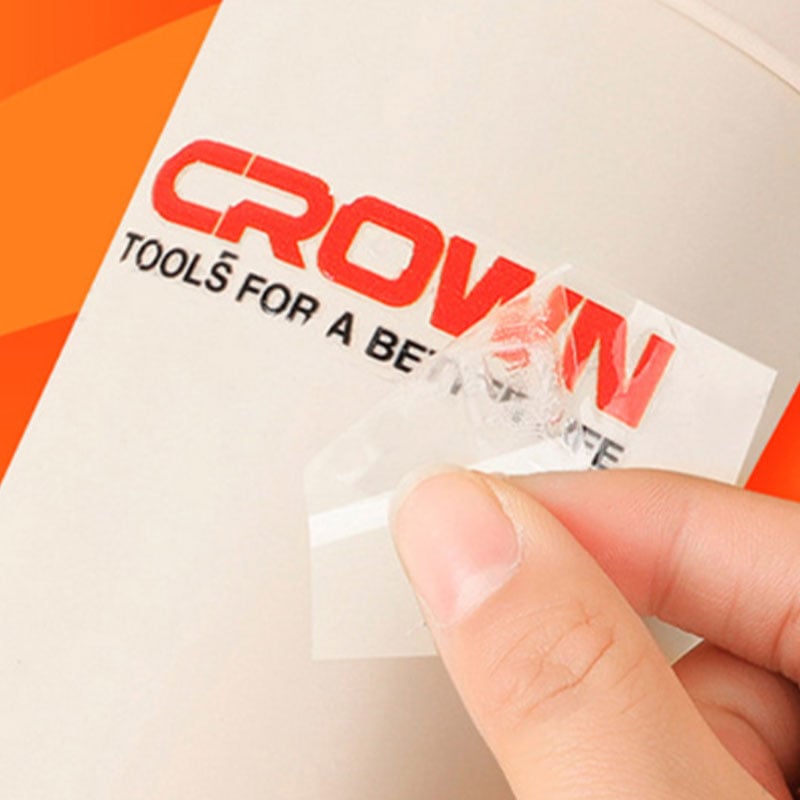
Understanding what makes a dtf sticker last depends on multiple interconnected factors that work together to determine performance in real-world conditions. Whether applied to vehicles, equipment, or consumer products, a dtf sticker faces constant exposure to environmental stress, mechanical wear, and chemical challenges. The durability of any dtf sticker reflects not just the material quality, but also the design choices, application method, and environmental context surrounding its use. Recognizing these influencing factors helps businesses and end users make informed decisions about dtf sticker selection and deployment.
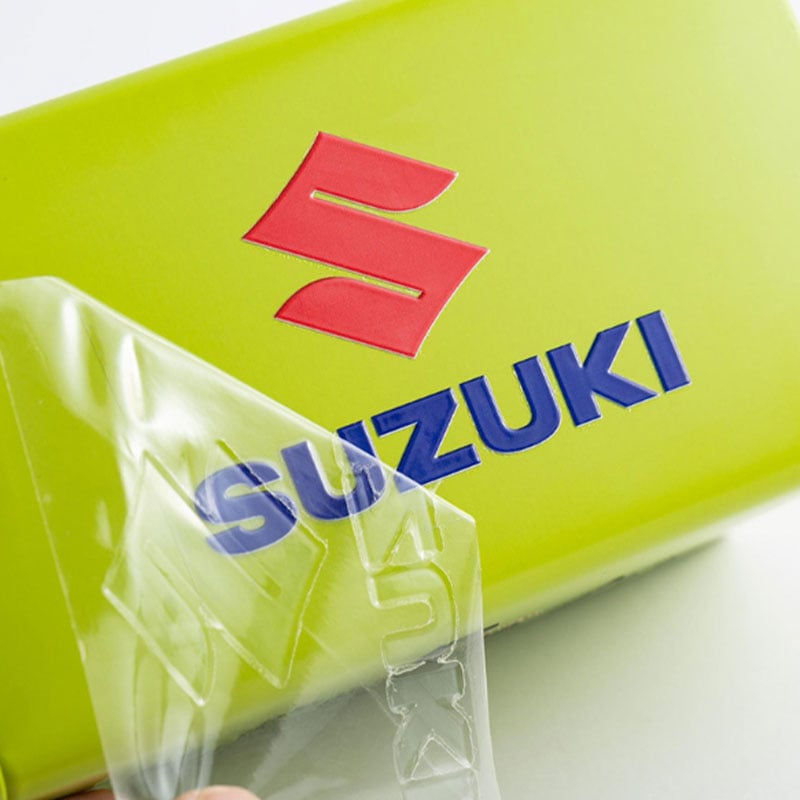
The longevity of a dtf sticker in daily applications stems from the interaction between material composition, adhesive formulation, and protective coatings. Environmental exposure patterns, ranging from UV radiation to temperature fluctuations and moisture, create distinct stress profiles that challenge dtf sticker integrity over time. Industrial and commercial users recognize that maximizing dtf sticker performance requires understanding each contributing factor and how these elements combine to either extend or reduce functional lifespan.
Material Composition and Substrate Selection
Vinyl Film Quality in DTF Sticker Production
The quality of vinyl used in dtf sticker manufacturing directly impacts how long the sticker maintains its appearance and adhesion. Premium vinyl formulations contain UV stabilizers and plasticizers that resist brittleness and color fading when exposed to sunlight for extended periods. A dtf sticker made from lower-grade vinyl becomes prone to cracking, peeling, and discoloration within months, particularly in outdoor environments. The thickness of the vinyl layer also matters; thicker films provide better resistance to puncture and abrasion, making a more durable dtf sticker overall. Material engineers select specific vinyl compounds based on the expected application environment, ensuring that each dtf sticker variant suits its intended use case.
Adhesive Layer Performance and Bonding Strength
The adhesive backing determines how firmly a dtf sticker bonds to its substrate and resists separation under mechanical stress. Industrial-grade adhesives used in premium dtf sticker products provide superior initial tack and long-term holding power compared to standard formulations. Water-resistant adhesives prevent moisture infiltration between the sticker and surface, a critical factor for outdoor dtf sticker durability. Temperature-stable adhesives maintain their bonding properties across wide thermal ranges, ensuring a dtf sticker remains secure during freeze-thaw cycles and heat exposure. The specific adhesive chemistry determines whether a dtf sticker can be repositioned after application or must be permanently adhered, influencing both installation flexibility and final durability.
Environmental Exposure and Weather Resistance
UV Light Degradation and Color Fade Protection
Ultraviolet radiation represents one of the most significant durability challenges for any outdoor dtf sticker, causing pigment fading and structural polymer breakdown over time. A dtf sticker without adequate UV protection will show noticeable color shift within one to two years of continuous sun exposure, particularly in tropical or high-altitude locations with intense solar radiation. Protective clear coat layers applied over printed graphics shield a dtf sticker from direct UV contact and extend color retention significantly. The presence of UV absorbers and antioxidant compounds in the vinyl formulation determines whether a dtf sticker maintains vibrant appearance or gradually becomes washed out and faded. Superior dtf sticker products incorporate multi-layer protection systems that address UV degradation from multiple angles, ensuring extended service life in demanding sunlight exposure conditions.
Moisture and Temperature Cycling Effects
Temperature fluctuations and moisture cycles create mechanical stress on a dtf sticker through repeated expansion and contraction of both the vinyl and adhesive layers. When a dtf sticker experiences freeze-thaw cycles, water trapped at the interface between sticker and substrate can expand when frozen, lifting edges and compromising the seal. Humidity environments accelerate edge curl and delamination in lower-quality dtf sticker products that lack moisture barriers. A well-engineered dtf sticker incorporates sealed edges and hydrophobic adhesive formulations that resist water penetration and maintain adhesion despite moisture exposure. Salt spray environments, common in coastal applications, create additional chemical corrosion stress that reduces dtf sticker lifespan unless the product includes corrosion-resistant additives and protective coatings.
Application Method and Installation Quality
Surface Preparation and Substrate Compatibility
The surface condition where a dtf sticker is applied dramatically influences its adhesion quality and overall durability performance. Dirt, grease, and oxidized residue on the substrate create a barrier that prevents the dtf sticker adhesive from making direct contact, significantly reducing bond strength and lifespan. Proper cleaning protocols that remove contaminants and promote surface energy allow a dtf sticker to achieve maximum adhesion and resist peeling during daily use. Material compatibility between the dtf sticker adhesive and substrate surface determines whether the sticker will lift prematurely or maintain consistent bonding. Metal, painted surfaces, and curved substrates present unique challenges; selecting an appropriate dtf sticker formulation for each substrate type ensures optimal durability and prevents application failures.
Installation Pressure and Curing Time Alignment
The installation pressure applied when adhering a dtf sticker to a surface must be sufficient to ensure full contact without entrapping air bubbles that weaken the overall bond. Inadequate pressure during application leaves an insufficiently bonded dtf sticker vulnerable to edge lift and gradual separation under mechanical stress or thermal cycling. Conversely, excessive pressure can distort sensitive images or damage delicate substrate finishes, compromising the final result. Most dtf sticker products benefit from a curing period during which the adhesive achieves maximum strength; rushing into heavy use before full curing compromises durability. Environmental conditions during and after installation also affect dtf sticker performance; applying stickers in cold temperatures or high humidity slows adhesive activation and extends the time before a dtf sticker reaches functional strength.
Mechanical Stress and Use Pattern Impact
Abrasion Resistance Under Friction and Handling
Daily handling, cleaning, and contact with rough surfaces subject a dtf sticker to abrasion that gradually wears away the protective layers and exposes underlying materials to accelerated degradation. Surfaces of dtf sticker products with harder protective coatings resist scratching and surface wear better than uncoated alternatives. High-traffic areas where a dtf sticker experiences frequent hand contact or mechanical rubbing require more robust formulations to maintain appearance and adhesion integrity. Cleaning methods also influence dtf sticker durability; harsh scrubbing with abrasive materials or solvents can prematurely damage even well-formulated stickers. Equipment subjected to vibration or repeated impact transmits mechanical stress to any attached dtf sticker, requiring formulations specifically engineered for high-vibration environments to maintain performance over extended service intervals.
Chemical Exposure and Resistance to Solvents
Industrial and commercial environments expose a dtf sticker to oils, fuels, solvents, and cleaning chemicals that can compromise adhesive performance and vinyl integrity if the sticker lacks appropriate chemical resistance. Premium dtf sticker formulations incorporate chemical-resistant additives that prevent solvent penetration and adhesive dissolution. A dtf sticker applied to equipment in automotive, manufacturing, or chemical handling facilities faces particularly aggressive chemical exposure that demands specialized material selection. Water-based cleaners generally pose less risk to dtf sticker durability than petroleum-based solvents, though even gentle cleaners can reduce lifespan if applied too frequently or with excessive force. Understanding the specific chemical environment where a dtf sticker will be deployed allows selection of appropriate sticker formulations that resist relevant exposure profiles and maintain functionality throughout intended service life.
FAQ
How does vinyl thickness affect dtf sticker durability in outdoor settings?
Thicker vinyl in a dtf sticker provides greater resistance to puncture, abrasion, and weathering compared to thinner alternatives. A dtf sticker constructed with 3.5 to 5 mil vinyl thickness typically offers superior durability in outdoor environments where mechanical wear and UV exposure are constant stressors. Thinner films cost less but sacrifice longevity, making thickness selection a critical durability trade-off decision.
What role does adhesive formulation play in dtf sticker longevity?
The adhesive backing directly determines how long a dtf sticker maintains secure bonding and resists environmental stress like moisture, temperature change, and mechanical pulling. Water-resistant and temperature-stable adhesives extend dtf sticker service life significantly by preventing separation and edge curl. Selecting the correct adhesive type for the specific application environment is essential for achieving maximum dtf sticker durability.
Can proper installation methods improve dtf sticker durability performance?
Yes, correct surface preparation, appropriate installation pressure, and allowing adequate curing time dramatically enhance dtf sticker durability by maximizing initial adhesion and ensuring the bond develops fully. A dtf sticker installed on a clean, properly prepared surface with consistent pressure will outperform poorly applied stickers even if the underlying material quality is identical. Installation quality represents one of the most controllable factors affecting dtf sticker longevity in field applications.