
 EN
EN



A reliable shooting target is fundamental to any marksman's training regimen, whether at an indoor range or outdoor facility. The modern shooting target must perform consistently across vastly different conditions—from climate-controlled indoor spaces to unpredictable outdoor environments. Understanding how a shooting target adapts to these distinct settings helps shooters select the right equipment and optimize their practice sessions for skill development and accuracy improvement.
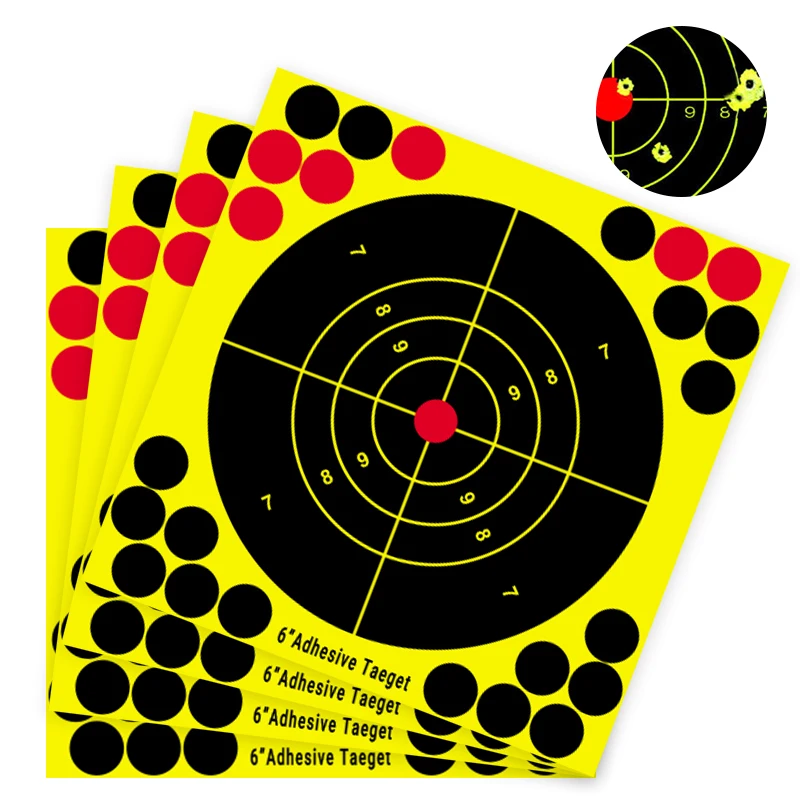
The design and construction of a shooting target directly influence its performance across these environments. Indoor and outdoor conditions present unique challenges that require specific material properties, mounting systems, and visibility features. By examining how shooting target technology addresses environmental variables, shooters can make informed decisions about which products best suit their training needs and facility constraints.
Material Composition and Environmental Durability
Substrate Selection for Indoor Conditions
Indoor shooting target designs prioritize materials that withstand confined spaces and controlled humidity levels. Most indoor shooting target products use paper-based substrates with reactive coating technology that responds instantly to bullet impact, creating high-contrast halo rings around each shot hole. This shooting target design eliminates the need for immediate inspection, allowing shooters to verify accuracy from the firing line. The adhesive layers on premium shooting target products resist peeling in stable temperature conditions, ensuring the shooting target remains securely fastened throughout extended training sessions.
Outdoor Resilience and Weather Resistance
Outdoor shooting target applications demand advanced material science to combat moisture, wind, and temperature fluctuations. High-performance shooting target systems incorporate water-resistant coatings and specialized adhesives that maintain integrity even when exposed to rain, humidity spikes, and direct sunlight. The shooting target substrate must resist warping and deterioration from UV exposure, which naturally fades contrast visibility over extended outdoor use periods. Advanced outdoor shooting target designs often feature laminated layers that provide structural rigidity while maintaining the reactive impact visibility that makes the shooting target practical for long-distance verification.
Visibility and Impact Feedback Systems
Contrast Enhancement for Different Lighting
The visibility characteristics of a shooting target shift dramatically depending on ambient lighting conditions. Indoor shooting target designs typically utilize high-contrast black backgrounds with white scoring rings, optimized for controlled artificial lighting that remains consistent throughout the training day. Outdoor shooting target products must adapt to variable natural light, requiring enhanced contrast ratios and sometimes fluorescent elements that perform reliably under bright sunlight, overcast skies, or dawn conditions. Premium shooting target manufacturers develop reactive halo technology that creates bright, visible rings regardless of lighting angle, ensuring that every shot on the shooting target produces immediate visual feedback.
Reactive Splatter Technology Across Environments
Modern reactive splatter shooting target technology represents a significant advancement in feedback accuracy. This shooting target innovation uses specialized coating chemistry that responds to the heat and impact of projectiles, creating visible halo rings that expand outward from impact points. Indoor shooting target applications benefit from this technology because shooters can immediately verify shot placement without walking downrange. Outdoor shooting target systems maintain this same advantage while contending with environmental variables—the reactive chemistry in weather-resistant shooting target products continues performing effectively even after moisture exposure, though shooters may need to replace the shooting target more frequently in harsh conditions.
Mounting Systems and Installation Flexibility
Adhesive Solutions for Different Surfaces
The adhesive technology embedded in modern shooting target products directly determines how effectively the shooting target adapts to various mounting surfaces. Indoor shooting target systems typically use self-adhesive formulations that bond securely to paper target stands, steel backers, and fabric backer systems common in controlled range environments. Outdoor shooting target installations present greater adhesive challenges—premium outdoor shooting target products feature repositionable adhesive systems that resist wind peeling while remaining removable without surface damage. The shooting target adhesive composition varies significantly between product lines, with some formulations optimized for cool, stable indoor conditions and others engineered for temperature cycling and moisture exposure inherent in outdoor settings.
Mechanical Fastening and Support Structures
Beyond adhesive systems, the physical mounting framework supporting a shooting target varies considerably between indoor and outdoor applications. Indoor shooting target setups often rely on mechanical backing systems—stands, backers, or rail-mounted holders that position the shooting target securely at controlled distances. Outdoor shooting target installations frequently incorporate anchor points, frame systems, and wind-resistant designs that prevent the shooting target from shifting during shooting sessions. shooting target durability in outdoor environments often depends as much on support structure design as on material composition, creating a symbiotic relationship between the shooting target product itself and its mounting system.
Environmental Adaptation and Performance Optimization
Temperature and Humidity Considerations
Temperature stability within indoor ranges allows shooting target formulations to maintain consistent reactive performance throughout the shooting day. Outdoor shooting target products must accommodate temperature swings that can cause material expansion, contraction, and adhesive degradation. The shooting target substrate itself expands and contracts with humidity changes, and premium outdoor shooting target designs account for this through strategic material selection and layered construction. Many professional-grade outdoor shooting target systems incorporate moisture barriers within their construction to isolate the reactive coating from ambient humidity while maintaining the shooting target's overall structural integrity across temperature ranges spanning 40 degrees Fahrenheit or more.
Longevity and Replacement Considerations
The practical lifespan of a shooting target differs significantly between indoor and outdoor environments. Indoor shooting target products often maintain consistent reactive performance across hundreds of shots because environmental conditions remain predictable and controlled. Outdoor shooting target installations typically show reduced longevity due to cumulative UV exposure, moisture penetration, and temperature cycling that degrades the reactive coating chemistry. Shooters planning outdoor training sessions should anticipate more frequent shooting target replacement compared to their indoor counterparts, factoring replacement costs and environmental disposal into their long-term training budgets. Understanding these durability differences helps shooters allocate resources effectively and select shooting target products engineered specifically for their intended environment.
FAQ
Can indoor shooting target designs work outdoors?
Indoor shooting target designs can technically function in outdoor environments temporarily, but their performance degrades rapidly. Standard indoor shooting target materials lack weather-resistant coatings and adhesive systems, so outdoor exposure causes the shooting target to warp, fade, and peel within days. For extended outdoor shooting, dedicated outdoor shooting target products with advanced material composition deliver superior durability and consistent reactive performance throughout extended training sessions.
What makes outdoor shooting target different from indoor varieties?
Outdoor shooting target designs incorporate weather-resistant substrates, UV-protective coatings, and moisture barriers that indoor shooting target products lack. The adhesive systems differ substantially—outdoor shooting target formulations resist temperature cycling and humidity fluctuations while maintaining secure adhesion. Outdoor shooting target products also typically feature enhanced contrast and reactive coating chemistry calibrated to perform under variable natural lighting conditions that indoor ranges don't experience.
How often should shooting target be replaced in outdoor use?
Outdoor shooting target replacement frequency depends on climate conditions, UV intensity, and usage volume, but typically requires new shooting target installation after 100–300 shots or every 2–4 weeks of regular use. Harsh outdoor environments with intense sun, heavy precipitation, or extreme temperature swings may necessitate more frequent shooting target replacement. Indoor shooting target systems often sustain 500+ shots before replacement becomes necessary due to their protected environmental conditions.