
 EN
EN


The packaging industry is undergoing a rapid transformation, and the die cut sticker is evolving right alongside it. As brands compete for attention on crowded shelves and in unboxing experiences, the die cut sticker has become far more than a simple label. It now serves as a precision branding tool that reflects a product's identity, quality, and values. Understanding how this evolution is unfolding helps businesses make smarter choices when designing packaging solutions.
Packaging innovation is no longer limited to the box or the bottle. Every touchpoint matters, and a die cut sticker placed on a product, mailer, or sealed flap contributes meaningfully to brand perception. Today's die cut sticker is being shaped by advances in materials, printing technology, sustainability demands, and changing consumer expectations. This article explores how these forces are driving the die cut sticker into a new era of function and form.
Material Innovation and the Die Cut Sticker
From Basic Vinyl to Advanced Substrates
The earliest form of the die cut sticker relied heavily on standard vinyl or paper materials. While these options served basic labeling needs, modern packaging demands far more. Today, a die cut sticker can be produced on metallic foil substrates, transparent films, textured papers, and even biodegradable materials. Each substrate choice changes how the die cut sticker communicates luxury, sustainability, or minimalism. Brands selecting a die cut sticker for premium packaging now regularly opt for holographic foil or brushed metal finishes to reinforce a high-end identity.
Specialty Finishes Elevating the Die Cut Sticker
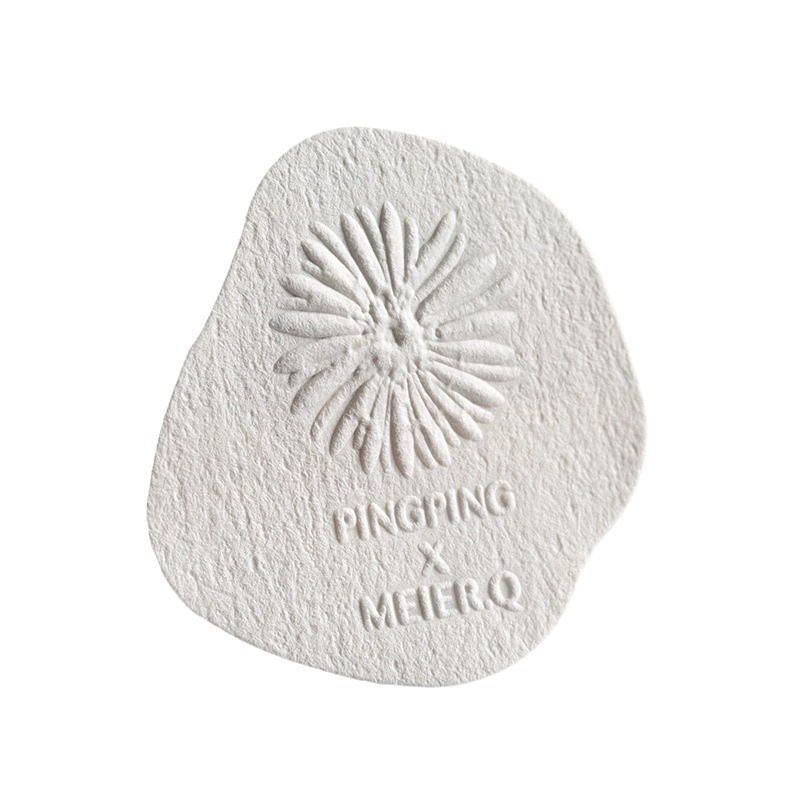
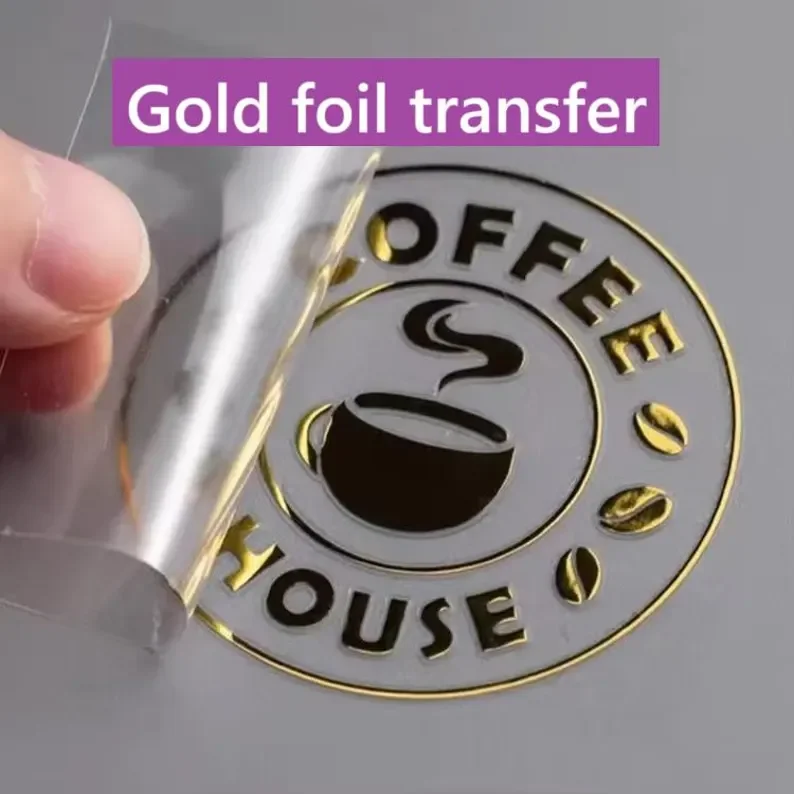
Finish technology has transformed what a die cut sticker can achieve visually and tactilely. UV spot coating allows a die cut sticker to combine matte and gloss surfaces within one design, creating depth and contrast that draws the eye. Hot foil stamping on a die cut sticker adds a reflective quality that premium cosmetic, spirits, and tech brands have embraced widely. A die cut sticker with embossed or debossed effects also creates a tactile response that reinforces perceived value. These finish innovations mean that a die cut sticker is now expected to do more sensory work than ever before in a packaging context.
Shape Precision and Custom Design Logic
Why the Cut Shape Defines the Die Cut Sticker
The defining feature of a die cut sticker is, of course, its shape. Unlike a standard rectangle or circle label, a die cut sticker is trimmed to follow the exact contour of the design. This means a die cut sticker shaped like a product logo, a mascot, a leaf, or any custom silhouette becomes inherently more memorable. Packaging designers increasingly use the die cut sticker as a shape-first decision — the contour of the die cut sticker itself communicates brand personality before the consumer even reads the text. This precision shaping is what separates a die cut sticker from conventional labeling in terms of visual impact.
Digital Die Cutting and Short-Run Flexibility
One of the most significant shifts enabling die cut sticker innovation is digital die cutting technology. Traditional die cutting required physical metal dies, making short print runs costly and inflexible. Digital die cutting now allows a die cut sticker to be produced in small quantities with complete shape freedom and quick turnaround. For brands launching limited edition packaging, seasonal products, or personalized campaigns, digital die cutting makes the die cut sticker a genuinely agile tool. A business can produce a die cut sticker in one shape this quarter and an entirely different contour next quarter without expensive retooling. This flexibility is accelerating how frequently brands refresh their die cut sticker presence on packaging.
Sustainability and the Modern Die Cut Sticker
Eco-Friendly Materials in Die Cut Sticker Production
Sustainability has become a central driver in packaging innovation, and the die cut sticker is not exempt from this pressure. Brands sourcing a die cut sticker for eco-conscious packaging now look for options printed on recycled paper, FSC-certified stock, or compostable films. Water-based adhesives used in a die cut sticker reduce chemical impact compared to solvent-based alternatives. A die cut sticker produced with soy-based or UV-cured inks also reduces volatile organic compound emissions during manufacturing. The growing demand for greener packaging solutions means that every die cut sticker specification — from substrate to ink to adhesive — is being re-evaluated through an environmental lens.
Minimalist Design Trends Influencing the Die Cut Sticker
Alongside eco-material choices, minimalist design trends are reshaping how a die cut sticker looks and functions. Consumers increasingly associate clean, uncluttered packaging with authenticity and environmental responsibility. A die cut sticker designed with simple typography, limited color palettes, and precise contour cutting fits naturally into this aesthetic. Brands are choosing a die cut sticker that communicates confidence through restraint rather than visual noise. A well-executed minimal die cut sticker on kraft paper packaging, for example, can communicate sustainability and refinement simultaneously. This alignment of material choice and design philosophy is driving a new wave of die cut sticker aesthetics in the packaging market.
FAQ
What makes a die cut sticker different from a standard label?
A die cut sticker is trimmed to follow the exact outer contour of a printed design rather than leaving a standard rectangular or square border. This precise shaping gives a die cut sticker a more custom and professional appearance. A standard label typically retains a uniform geometric shape regardless of what is printed inside it. The die cut sticker's ability to mirror any silhouette makes it more visually distinctive and brand-aligned in packaging applications.
Which industries benefit most from using a die cut sticker on packaging?
Industries where packaging presentation directly influences purchasing decisions gain the most from a die cut sticker. Cosmetics, food and beverage, electronics accessories, craft goods, and subscription box brands all rely on the die cut sticker to deliver a premium unboxing experience. The die cut sticker is also widely used in health and wellness packaging, where clean branding and shelf standout are critical. Any product where the label is part of the brand story is a strong candidate for a die cut sticker solution.
How is a die cut sticker produced for metallic or foil finishes?
A die cut sticker with metallic or foil finishes is typically produced using hot foil stamping, UV transfer, or printed metallic film substrates. Hot foil stamping applies a heated metallic foil layer onto the die cut sticker surface during production. UV transfer processes bond a high-gloss or metallic coating onto specific design areas of the die cut sticker. The finished die cut sticker is then precision-cut to its custom contour, resulting in a label that combines reflective finish with exact shape definition for premium packaging applications.