
 EN
EN


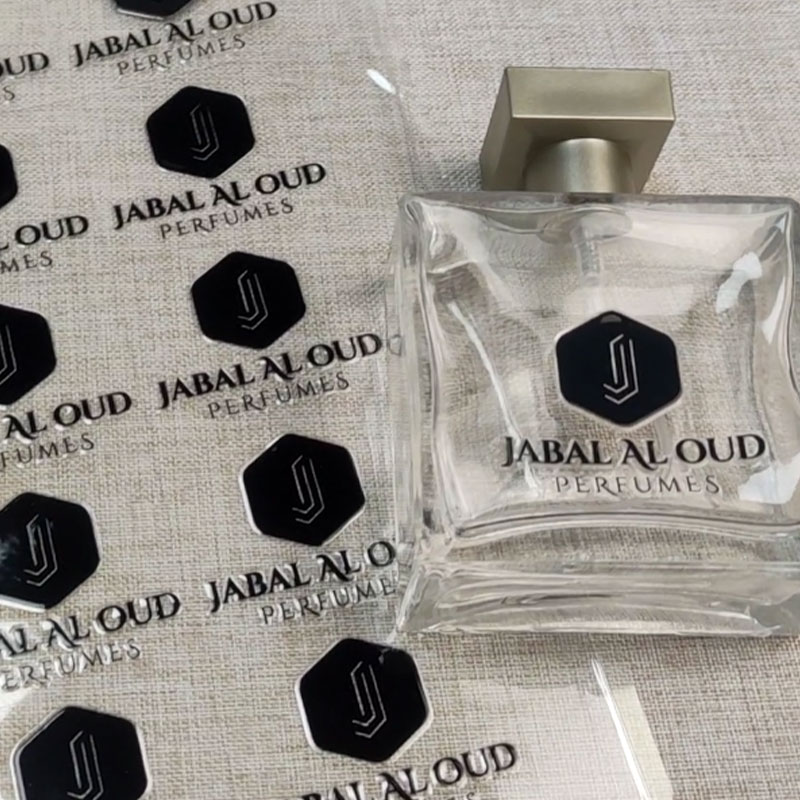
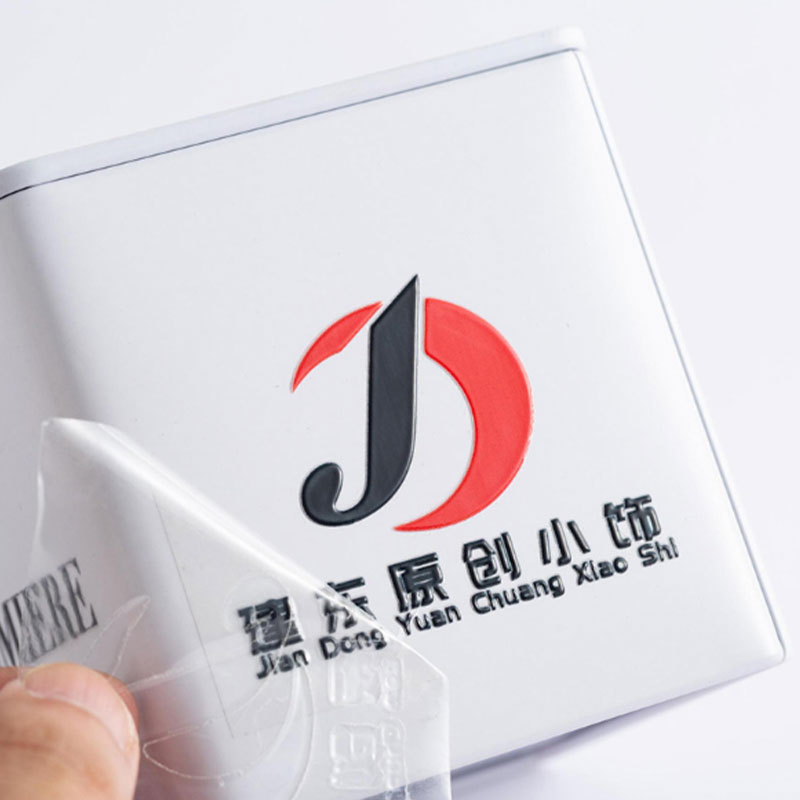
The evolution of printing technology has fundamentally transformed how manufacturers and creative professionals apply designs to diverse materials. A dtf sticker represents one of the most versatile innovations in this space, enabling unprecedented flexibility in material compatibility and design application. Unlike traditional printing methods that struggle with irregular surfaces or specialized substrates, a dtf sticker technology allows businesses to expand their product offerings and reach entirely new market segments. Understanding how a dtf sticker improves printing flexibility is essential for any operation seeking competitive advantage in today's fast-paced production environment.

The fundamental advantage of implementing a dtf sticker solution lies in its adaptability across material types. Whether applied to textiles, leather, plastics, metals, ceramics, or composite surfaces, a dtf sticker delivers consistent color vibrancy, durability, and adhesion performance. This cross-material capability eliminates the need for multiple specialized printing systems, consolidating production workflows and reducing capital investment. Businesses adopting a dtf sticker approach gain the operational flexibility to respond quickly to customer demands for customized products across varied substrates.
Material Compatibility and Surface Diversity
Expanding Application Range with DTF Sticker Technology
A dtf sticker excels at bridging the gap between traditional printing limitations and modern material science. Cotton, polyester blends, nylon, and synthetic fabrics all accept a dtf sticker transfer with excellent color fidelity and wash durability. Beyond textiles, a dtf sticker application extends seamlessly to rigid substrates including wood, acrylic, polycarbonate, and anodized aluminum. The adhesive formulations engineered into a dtf sticker maintain structural integrity across temperature variations, humidity exposure, and mechanical stress. This broad compatibility means manufacturers can consolidate their printing operations rather than maintaining separate equipment for fabric, rigid, or specialty surface applications.
Non-Porous and Challenging Surface Performance
One of the most significant advantages of a dtf sticker is its ability to perform reliably on non-porous and chemically treated surfaces. Vinyl, polyurethane, coated metals, and composite laminates have historically presented challenges for traditional screen printing and heat transfer methods. A dtf sticker technology overcomes these obstacles through specialized pre-treatment protocols and adhesion-enhancing film formulations. The result is a dtf sticker that bonds permanently to difficult substrates without peeling, cracking, or color degradation. This capability opens entire market categories for businesses previously unable to serve customers requiring labeling or branding on specialized materials.
Durability and Performance Characteristics
Adhesion Strength Across Environmental Conditions
The durability of a dtf sticker depends on both adhesive chemistry and surface preparation. Modern a dtf sticker formulations incorporate multi-layer adhesive systems that create molecular-level bonds with target substrates. When properly applied, a dtf sticker withstands industrial washing cycles, UV exposure, temperature cycling, and chemical contact without degradation. The color saturation achieved through a dtf sticker technology remains vibrant even after extended outdoor use or high-volume handling. For manufacturers producing durable goods, promotional items, or branded merchandise, a dtf sticker represents a reliable foundation for long-term product identity.
Dimensional Stability and Production Efficiency
A dtf sticker maintains dimensional accuracy throughout the transfer and curing process, enabling precise registration on multi-layer applications. This stability is critical for complex designs requiring exact alignment across multiple colors or layers. The production workflow using a dtf sticker technology proves faster than traditional methods, reducing labor costs and increasing output capacity. Batch processing becomes more efficient since a dtf sticker transfers can be pre-produced and stored, then applied on-demand without quality loss. This flexibility transforms production scheduling, allowing manufacturers to balance inventory management with seasonal demand fluctuations.
Operational Advantages and Business Impact
Cost Reduction Through Process Consolidation
Implementing a dtf sticker solution typically reduces overall production costs by consolidating multiple specialized printing systems into a single workflow. The capital expenditure for a dtf sticker equipment is considerably lower than maintaining separate screen print, sublimation, and vinyl cutting stations. Material waste decreases when using a dtf sticker technology because the transfer process generates minimal scrap compared to traditional cutting or printing methods. A dtf sticker application requires less operator training than mastering multiple specialized techniques, reducing labor variability and quality inconsistencies. These cumulative advantages make a dtf sticker adoption financially compelling for businesses of all sizes.
Design Freedom and Customization Capability
A dtf sticker technology eliminates many design constraints imposed by traditional printing methods. Complex gradients, photorealistic images, fine details, and full-color artwork transfer perfectly through a dtf sticker application. The unlimited color palette available with a dtf sticker means customers receive exactly what they visualize without color-matching compromises. This design freedom empowers businesses to offer truly custom products using a dtf sticker transfers, commanding premium pricing while maintaining rapid turnaround times. Whether handling small sample batches or large production runs, a dtf sticker workflow maintains consistent quality and creative expression.
FAQ
What makes a dtf sticker more flexible than screen printing for material variety?
A dtf sticker surpasses screen printing flexibility because it can adhere to porous, non-porous, textured, and specialty surfaces without requiring mesh modifications or custom setups. Screen printing demands individual screens for each design and struggles with non-traditional substrates. A dtf sticker technology uses consistent transfer protocols regardless of surface chemistry, enabling one production line to handle numerous material types. This universal adaptability makes a dtf sticker ideal for businesses serving diverse customer material preferences.
How does a dtf sticker maintain adhesion on difficult materials like vinyl or metal?
A dtf sticker formulations include specialized adhesive chemistries engineered to bond with specific substrate molecular structures. Pre-treatment processes using plasma, UV, or chemical activation prepare material surfaces for maximum adhesion. A dtf sticker combines mechanical and chemical bonding mechanisms, creating durability that outlasts traditional adhesives. The multi-layer film structure in a dtf sticker technology distributes stress evenly across the application area, preventing edge lift or peeling on materials historically prone to adhesion failure.
Can a dtf sticker reduce production costs compared to maintaining multiple printing systems?
Yes, a dtf sticker consolidates equipment investments significantly. Instead of operating separate screen printing, sublimation, and vinyl stations, businesses adopt a single a dtf sticker workflow handling multiple material types. Operator training simplifies, material waste decreases, and production scheduling becomes more efficient with a dtf sticker technology. The lower equipment maintenance and faster changeover times between jobs further reduce operational costs, making a dtf sticker economically superior for facilities printing across diverse substrates regularly.