
 EN
EN



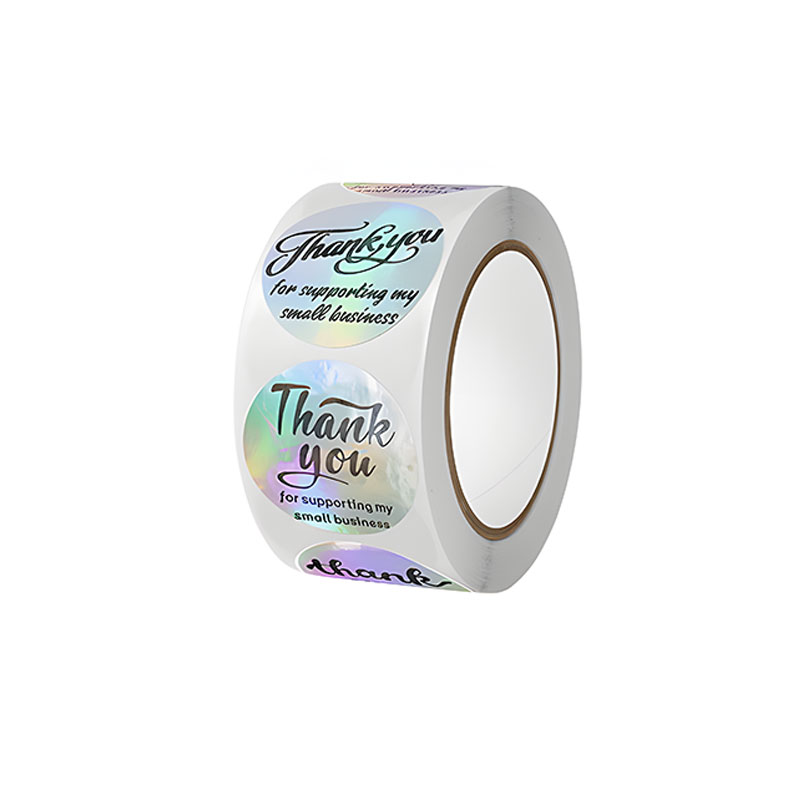
Modern packaging operations depend on speed, precision, and consistency to remain competitive in today's fast-moving supply chains. Roll sticker paper has emerged as a critical component that directly impacts how efficiently packaging lines perform, from initial setup through final product shipment. Understanding how roll sticker paper enhances workflow efficiency requires examining the operational challenges that manufacturers face daily and the specific advantages this material brings to the production environment.

The integration of roll sticker paper into packaging systems represents a fundamental shift toward automation and reliability. When packaging lines operate with properly formatted roll sticker paper, the reduction in manual handling, label jams, and formatting errors directly translates into measurable productivity gains. This article explores the mechanisms through which roll sticker paper drives efficiency improvements and the practical benefits that manufacturers experience across their operations.
How Roll Sticker Paper Improves Label Application Speed
Continuous Feed Mechanism and Reduced Downtime
Roll sticker paper enables continuous feed systems that keep packaging lines running without the interruptions associated with sheet-fed labeling methods. Traditional sheet-based approaches require operators to manually load individual sheets, align them, and clear jams when misfeeds occur. In contrast, roll sticker paper feeds smoothly through automatic dispensers, eliminating these frequent stops. The continuous nature of roll sticker paper means that as one label applies to a product, the system automatically advances to the next label without requiring operator intervention, fundamentally changing the speed profile of packaging operations.
Downtime represents one of the largest hidden costs in packaging environments, and roll sticker paper directly addresses this challenge. When a packaging line stops, every second of delay represents lost production capacity and delayed shipments. Because roll sticker paper integrates with automated label dispensing systems, the transition between labels happens in milliseconds rather than the seconds or minutes required for manual sheet handling. Facilities that switch from sheet labels to roll sticker paper typically report downtime reductions of thirty to fifty percent during typical production runs.
Precision and Consistency in Label Placement
The dimensional stability of roll sticker paper contributes significantly to consistent label placement across thousands of units. When labels apply inconsistently, quality control teams must inspect more products, increasing labor costs and slowing the overall packaging process. Roll sticker paper manufactured to tight tolerances ensures that each label advances by precisely the same distance, allowing automatic positioning systems to place labels in identical locations on every package. This consistency eliminates the variability that causes rejected products and rework.
Packaging line operators using roll sticker paper report measurable improvements in first-pass quality rates. Because the material feeds predictably through the system, alignment errors virtually disappear, and the system operates at its designed specification rather than at reduced speeds to compensate for inconsistent material behavior. This precision directly supports faster throughput because the line no longer needs to slow down to accommodate material variability.
Operational Integration and System Compatibility
Seamless Integration with Automated Equipment
Modern packaging systems are engineered to work optimally with roll sticker paper, and this integration represents a significant efficiency factor. Label applicators, printers, and dispensers all assume roll sticker paper will provide consistent thickness, adhesive performance, and dimensional accuracy. When roll sticker paper meets these specifications, the entire system operates at peak efficiency without requiring calibration adjustments or speed reductions.
The compatibility between roll sticker paper and modern dispensing technology means that facilities can run higher speeds safely. When material behaves unpredictably, operators must reduce line speed to prevent jams and misfeeds. Roll sticker paper's reliable performance allows operators to maintain maximum line speed throughout the shift, directly improving hourly throughput. This compatibility also reduces the technical support burden because fewer issues arise from material-related problems versus equipment malfunction.
Labor Efficiency and Operator Productivity
Packaging operations employing roll sticker paper require substantially less operator intervention compared to sheet-based systems. Operators monitoring roll sticker paper systems spend less time troubleshooting jams, realigning material, and clearing paper path obstructions. Instead, they focus on monitoring the overall process flow and attending to other production requirements. This shift in labor allocation means that existing staff can supervise more production lines simultaneously, effectively increasing labor productivity without hiring additional personnel.
The reduction in manual handling also decreases workplace injuries related to repetitive labeling tasks. Carpal tunnel syndrome, back strain, and repetitive stress injuries decline when roll sticker paper automation removes manual application requirements from the operator's daily workflow. Beyond the human health benefits, this safety improvement reduces absenteeism and workers' compensation claims, which represent significant cost factors in manufacturing operations.
Material Performance and Cost-to-Throughput Ratio
Adhesive Reliability and Waste Reduction
The adhesive backing on quality roll sticker paper maintains consistent bonding strength across entire production runs, eliminating the partial-application failures that plague sheet-based systems. Labels that fail to adhere properly create two distinct problems: the package ships with a defective label, requiring rework or customer complaint resolution, or the operator notices the problem and manually reapplies the label, consuming time and labor. Roll sticker paper's reliable adhesive performance virtually eliminates both scenarios, directly protecting throughput and product quality.
Material waste represents another efficiency factor where roll sticker paper demonstrates clear advantages. The continuous feed nature of roll sticker paper means that setup waste is minimal compared to sheet formats that require extensive trim and test runs. Once the roll sticker paper is threaded through the system and the printer is calibrated, production can commence immediately with minimal scrap material. This rapid startup reduces the time required to begin productive output, particularly important in changeover situations when the line switches between different product formats or label designs.
Throughput Performance and Production Scalability
Facilities using roll sticker paper typically achieve throughput rates that exceed sheet-based systems by fifteen to thirty percent under identical equipment and space constraints. This improvement stems from the combination of reduced downtime, faster cycle times, and improved first-pass quality rates. When a packaging line that previously applied one hundred units per minute using sheet labels switches to roll sticker paper, that same line often achieves one hundred fifteen to one hundred thirty units per minute without equipment modifications.
The scalability of roll sticker paper systems means that growing manufacturers can increase production capacity without purchasing entirely new equipment lines. By optimizing existing lines with roll sticker paper and modern dispensing technology, facilities expand output per square foot of production space. This efficiency improvement proves particularly valuable in facilities where floor space is limited and capital budgets constrain equipment purchases, allowing facilities to meet demand growth through operational optimization rather than facility expansion.
FAQ
What specific features of roll sticker paper contribute most to efficiency gains?
The primary efficiency drivers of roll sticker paper include dimensional consistency that prevents jams, reliable adhesive backing that eliminates failed applications, and continuous feed capability that reduces operator interaction. The material's precise thickness also ensures predictable feeding through automated systems, while consistent surface properties allow printers to maintain consistent print quality without adjustment between labels. Together, these features create a system that operates reliably at maximum speed with minimal supervision.
How does roll sticker paper compare to sheet-based labeling in terms of total production cost?
While roll sticker paper may have a slightly higher per-unit material cost than sheets, the total cost-per-label drops significantly when accounting for labor reduction, waste elimination, and throughput improvement. A packaging line using roll sticker paper requires fewer operators to supervise, generates less scrap material, and applies more labels per hour, creating a lower true cost per applied label. Most facilities recover any material cost premium within the first month through operational savings.
Can existing packaging lines be retrofitted to use roll sticker paper systems?
Many existing packaging lines can be retrofitted with roll sticker paper dispensers and modern applicators, though compatibility varies depending on equipment age and design. Facilities should consult with equipment suppliers to assess their specific systems, as some older equipment designed exclusively for sheet labels may require significant modifications. However, most contemporary packaging systems can integrate roll sticker paper with relatively straightforward upgrades to the label supply mechanism and applicator head.