
 EN
EN



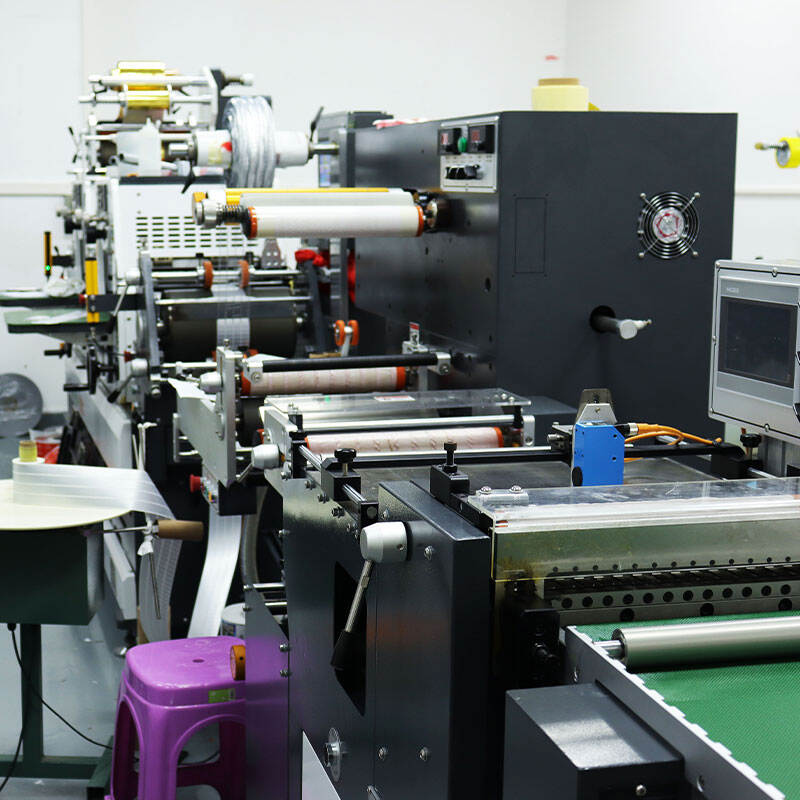
Փաթեթավորման արդյունաբերությունը կատարում է հիմնարար փոփոխություն՝ պայմանավորված սպառողների սպասելիքներով, կարգավորող ճնշումներով և տեխնոլոգիական նորարարություններով, իսկ ստիկերները արագ են զարգանում՝ համապատասխանելու այս ժամանակակից պահանջներին: Այն, ինչ մի ժամանակ ծառայում էր որպես պարզ պիտակներ ապրանքների նույնականացման համար, վերածվել է բարդ բրենդինգի գործիքների, տեղեկատվության կրողների և ֆունկցիոնալ բաղադրիչների, որոնք լուծում են մշակման կայունության, կայուն զարգացման և թվային ինտեգրման մասին առաջացած մարտահրավերները: Քանի որ բրենդները մրցում են խանութային դասակարգերում տեսանելիության համար՝ միաժամանակ նավարկելով բարդ համապատասխանության իրավիճակները, ստիկերների դերը փաթեթավորման մեջ ընդլայնվել է ոչ միայն էսթետիկայի սահմաններից դուրս, այլև ներառում է նյութերի գիտությունը, մատակարարման շղթայի արդյունավետությունը և սպառողների ներգրավման ռազմավարությունները, որոնք սահմանում են ժամանակակից շուկայական հաջողությունը:
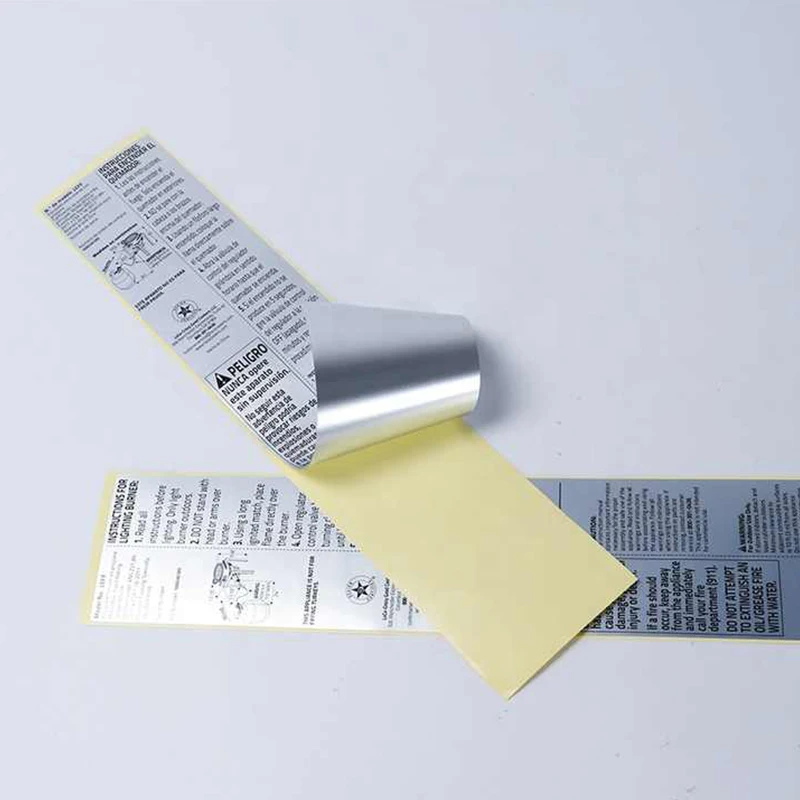
Ժամանակակից տարածումային պահանջները պահանջում են, որ ստիկերները միաժամանակ կատարեն բազմաթիվ գործառույթներ՝ հարմարվելով տարբեր մակերեսների, շրջակա միջավայրի պայմանների և արդյունաբերությունների ըստ տարբերվող կիրառման եղանակների: Սննդի և խմիչքների ոլորտներից, որտեղ անհրաժեշտ են FDA-ի համապատասխան նյութեր, մինչև դեղագործական կիրառումներ, որտեղ անհրաժեշտ են վնասազերծման վկայական հատկանիշներ, ստիկերների զարգացումը արտացոլում է ավելի ընդհանուր փոփոխություններ այն մասին, թե ինչպես են արտադրվում, բաշխվում և սպառվում ապրանքները ավելի գլոբալացված և շրջակա միջավայրի նկատմամբ ավելի գիտակցված շուկայում: Այս ձևափոխությունը ներառում է նյութերի նորարարություններ, տպագրության տեխնոլոգիաների զարգացում, սոսնձի քիմիայի բացառիկ ձեռքբերումներ և դիզայնի փիլիսոփայություն, որը առաջնային նշանակություն է տալիս ինչպես գործառնական կատարումների, այնպես էլ ամբողջ ապրանքի կյանքի ցիկլի ընթացքում կայուն պրակտիկաների:
Նյութերի նորարարությունը՝ որպես ստիկերների զարգացման շարժիչ ուժ
Կայուն մակերեսների մշակում
Մշտական տեխնոլոգիայի դեպի կայուն ստվարաթղթերի տեխնոլոգիայի անցումը հիմնարարապես փոխել է պիտակների համար օգտագործվող նյութերի լանդշաֆտը. արտադրողները մշակել են կենսահիմնված թաղանթներ, վերամշակված բաղադրիչներ պարունակող ստորաշերտեր և կոմպոստավորելի տարբերակներ, որոնք նվազեցնում են շրջակա միջավայրի վրա ազդեցությունը՝ չվնասելով աշխատանքային ցուցանիշները: Պոլիվինիլի և պոլիէսթերի նման ավանդական նավթային նյութերը լ дополняются կամ փոխարինվում են բույսերից ստացված այլընտրանքային նյութերով, այդ թվում՝ պոլիլակտիկ թթվի թաղանթներով, քարե թղթի կոմպոզիտներով և ցելյուլոզայի հիմքի վրա ստեղծված ստորաշերտերով, որոնք ապահովում են համեմատելի մեխանիկական կայունություն՝ միաժամանակ լուծելով ածխածնի հետքի հարցերը: Այս կայուն պիտակները պետք է պահպանեն կպչունության ուժը, տպագրության որակը և եղանակային դիմացկունությունը ջերմաստիճանի և խոնավության տարբեր միջակայքերում՝ սկսած մերձարևադարձային պահեստներից մինչև սառեցված բաշխման շղթաներ:
Ժամանակակից ստիկերների համար նյութերի ընտրությունը ավելի շատ է հաշվի առնում վերջնական օգտագործման սցենարները. փաթեթավորման ինժեներները նշում են այնպիսի սուբստրատներ, որոնք հեշտացնում են վերամշակման հոսքերը կամ թույլատրում են արդյունաբերական կոմպոստավորում՝ առանց թողնելու մնացորդներ, որոնք կարող են աղտոտել թափոնների մշակման համակարգերը: Մեքենայացված շշերի վերամշակման գործընթացների ընթացքում մաքրորեն ազատվող լվացվող սեղմակները ներկայացնում են շրջանային տնտեսության սկզբունքներին համապատասխանող մեկ նորարարություն, իսկ մեկանգամյա օգտագործման փաթեթավորման կիրառումների համար նախատեսված կենսաքայքայվող ստիկերները տրված ժամանակահատվածում քայքայվում են՝ երբ ենթարկվում են համապատասխան շրջակա միջավայրի պայմանների: Տեխնիկական մարտահրավերը կայանում է կայունության վավերագրման և գործնական պահանջների հավասարակշռման մեջ, այդ թվում՝ պահպանման ժամկետի կայունությունը, խոնավության դիմացկունությունը և բարձր արագությամբ ավտոմատացված կիրառման սարքավորումների հետ համատեղելիությունը, որոնք մեկ ժամում մշակում են հազարավոր միավորներ:
Առաջադեմ ֆունկցիոնալ ծածկույթներ
Մակերևույթի մշակման և ծածկույթի տեխնոլոգիաները դարձել են կրիտիկական տարբերակիչ գործոններ ստիկերների համար, որոնք օգտագործվում են մասնագիտացված փաթեթավորման կիրառումներում, որտեղ շրջակա միջավայրի ազդեցությունը, քիմիական շփումը կամ մեխանիկական լարվածությունը կարող են վնասել սովորական պիտակները: Ջրակայուն ծածկույթները՝ օգտագործելով նանոմասնիկների տեխնոլոգիա, ստեղծում են խոնավության xույթի դեմ արգելակող շերտեր՝ միաժամանակ պահպանելով շնչելու հատկությունը այն կիրառումներում, որտեղ անհրաժեշտ է խոնավության կուտակման կառավարում, իսկ ՈՒԼ-դիմացկուն բաղադրությունները կանխում են գույների մաշվելը արտաքին պայմաններում պահվող կամ ինտենսիվ խանութային լուսավորության տակ ցուցադրվող ապրանքների վրա: Անտիմիկրոբիալ ծածկույթները, որոնք պարունակում են արծաթի իոններ կամ պղնձի միացություններ, լուծում են սանիտարական խնդիրները առողջապահական և սննդի սպասարկման միջավայրերում, որտեղ վարակիչ միկրոօրգանիզմների փոխանցումը մակերևույթների միջոցով փաթեթավորման միջոցների վրա հայտնի ռիսկ է ներկայացնում:
Խոտանի դիմացկուն վերին շերտերը պաշտպանում են տպագրված տեղեկատվությունը և բրենդի տարրերը ստիկերներում, որոնք կիրառվում են փաթեթավորման վրա և ենթարկվում են տեղափոխման ընթացքում առաջացող մաշվածության՝ հատկապես ավտոմատացված տեսակավորման կենտրոններով տեղափոխվող գորտնավոր տուփերի կամ վաճառքից առաջ բազմաթիվ անգամ ձեռքի տակ անցնող սպառողական ապրանքների դեպքում: Ջերմաստիճանի ցուցման ծածկույթները, որոնք փոխում են գույնը՝ երբ գերազանցվում են սահմանային արժեքները, տալիս են տեսանելի հաստատում սառը շղթայի պահպանման մասին ջերմաստիճանի նկատմամբ զգայուն դեղամիջոցների և կենսաթափանց սննդամթերքի համար, ինչը ստեղծում է պատասխանատվություն ամբողջ բաշխման ցանցում: Այս ֆունկցիոնալ բարելավումները ստիկերները վերածում են պասիվ պիտակներից ակտիվ մոնիտորինգի բաղադրիչների, որոնք ապրանքի վիճակի և օգտագործման պատմության մասին տեղեկատվություն են հաղորդում մատակարարային շղթայի մասնակիցներին և վերջնական սպառողներին:
Բազմաշերտ ենթաշերտի ճարտարապետություն
Ժամանակակից ստիկերների կառուցվածքը հաճախ օգտագործում է բազմաշերտ ճարտարապետություն, որը մեկ պիտակի կառուցվածքում միավորում է տարբեր նյութերի հատկություններ՝ օպտիմալացնելով այն աշխատանքային բնութագրերը, որոնք հնարավոր չէ ձեռք բերել մեկ ենթաշերտից կազմված դիզայների միջոցով: Պիտակի վերին շերտը (facestock) ապահովում է տպագրման համար նախատեսված մակերես՝ որոշակի անթափանցությամբ, պայծառությամբ և ներկի ընդունակությամբ, իսկ միջանկյալ շերտերը նպաստում են չափային կայունության, պաշտպանիչ հատկությունների կամ հատուկ էֆեկտների (ներառյալ մետաղային մակերեսներ և հոլոգրաֆիկ նախշեր) ստեղծմանը: Ազատման ստվարաթուղթը (release liner) պաշտպանում է սոսնակային շերտը պահելու ժամանակ և հեշտացնում է ավտոմատացված տարաների արտահանումը, իսկ սիլիկոնային ծածկույթի քիմիական բաղադրությունը հարմարեցված է ապահովելու արտահանման ուժի հաստատունությունը արտադրության տարբեր արագությունների և շրջակա միջավայրի պայմանների դեպքում:
Մետաղական շերտերի բազմաշերտ պիտակների համար անհրաժեշտ ճշգրտությունը լուծում է փաթեթավորման խնդիրները, որտեղ մեկ նյութից պատրաստված լուծումները անբավարար են, օրինակ՝ առանց պիտակի տեսք ստեղծող թափանցիկ պիտակները, որոնք ստեղծում են ուղղակի տպման իլյուզիան՝ միաժամանակ պահպանելով ճնշման տակ կիրառվող պիտակների ճկունությունն ու արժեքային առավելությունները: Անթափանց արգելակող շերտերը կանխում են տեսանելիությունը, երբ պիտակները ծածկում են արդեն տպված տեքստը կամ երբ դրվում են գունավոր ստորին շերտերի վրա՝ ապահովելու գունային համատեղելիությունը, իսկ մետաղապատ միջանկյալ ֆիլմերը ստեղծում են խոնավության դեմ պաշտպանություն ապրանքների համար, որոնք պահվում են խոնավ միջավայրում և պահանջում են երկարաձգված պիտանիության ժամկետ: Այս կառուցվածքային բարդությունը պահանջում է բարդ արտադրական գործընթացներ, այդ թվում՝ լամինացիա, պատվաստում և դիե-կտրում, որոնք կատարվում են միկրոնային ճշգրտությամբ՝ ապահովելու վերջնական արտադրանքի չափային ճշգրտությունն ու շերտերի միջև կպչունությունը:
Տպագրության տեխնոլոգիայի զարգացումներ
Թվային տպագրության ինտեգրում
Թվային տպագրության տեխնոլոգիաները հեղափոխել են ստիկերների արտադրությունը ստվարաթղթե մակերեսների համար՝ հնարավորություն տալով փոփոխական տվյալների տպագրություն, կարճ սերիայի հարմարեցում և արագ նախնական մոդելավորում, որոնք ավանդական օֆսեթային կամ ֆլեքսոգրաֆիկ մեթոդները տնտեսապես չեն կարողանում աջակցել: Ստրույքտուրային և տոների հիման վրա աշխատող համակարգերը բարձրորակ լուսանկարային պատկերներ են ստեղծում՝ ճշգրիտ գունային համապատասխանությամբ տարբեր մակերեսների վրա՝ սկսած փայլուն ֆիլմերից մինչև տեքստուրավորված թղթեր, ինչը վերացնում է պլաստինների պատրաստման ծախսերն ու սկզբնական կարգավորման ժամանակը, որոնք առաջ փոքր պատվերները դարձնում էին անհարմար տնտեսապես: Այս ճկունությունը աջակցում է մարքեթինգային ռազմավարություններին, այդ թվում՝ սահմանափակ տպագրությամբ ստվարաթղթե մակերեսների, տարածաշրջանային ապրանքային տարբերակների և անհատականացման արշավների, որտեղ յուրաքանչյուր ստիկեր պարունակում է եզակի նույնականացման նշիչներ, սերիական կոդեր կամ սպառողին հատուկ հաղորդագրություններ, ինչը բարձրացնում է ներգրավվածությունը և ապրանքային նշանի նկատմամբ հավատարմությունը:
Թվային տպագրության ինտեգրումը գծային մշակման սարքավորումների հետ ստեղծում է ամբողջական արտադրական աշխատանքային հոսքեր, որտեղ պիտակները տեղափոխվում են դիզայնի ֆայլից մինչև պատրաստի գլան՝ առանց միջանկյալ մշակման, կրճատելով պատրաստման ժամանակը շաբաթներից մինչև օրեր կամ նույնիսկ ժամեր՝ անհետաձգելի պահանջների դեպքում: Փոփոխական կտրման հնարավորությունները թույլ են տալիս ձևը հարմարեցնել առանց հատուկ գործիքակազմի, թույլ տալով փաթեթավորման դիզայներներին փորձարկել ոչ ավանդական երկրաչափություններ և չափսեր, որոնք տարբերակում են ապրանքները գերծանրաբեռնված մանրածախ առևտրի դարակներում: Ուլտրամանուշակագույն ճառագայթմամբ կարծրացվող և լատեքսային թանաքի բանաձևերը, որոնք մշակվել են հատուկ թվային պիտակների տպագրության համար, ապահովում են դիմացկունություն, որը համապատասխանում է կամ գերազանցում է ավանդական մեթոդներին՝ միաժամանակ առաջարկելով շրջակա միջավայրի վրա առավելություններ՝ ցնդող օրգանական միացությունների արտանետումների կրճատման և կարծրացման գործընթացների ընթացքում էներգիայի սպառման ցածր մակարդակի միջոցով:
Հիբրիդային արտադրական հնարավորություններ
Հիբրիդային տպագրական համակարգերը, որոնք միավորում են թվային և համապարփակ տեխնոլոգիաները, օգտագործում են յուրաքանչյուր մեթոդի առավելությունները՝ օպտիմալացնելու որակը, արագությունը և արժեքը տարբեր ստիկերների կիրառման ոլորտներում՝ համապատասխանելու ժամանակակից փաթեթավորման պահանջներին: Թվային կայանները մշակում են փոփոխական պարունակություն և գույներ, որոնք պահանջում են մանրամասն մշակում, իսկ ֆլեքսոգրաֆիկ միավորները կիրառում են տեղային գույներ, լաքերներ և ֆունկցիոնալ ծածկույթներ այնպիսի արագությամբ, որը գերազանցում է մաքսիմալ թվային կառուցվածքների արագությունը: Այս ինտեգրված մոտեցումը աջակցում է փաթեթավորման ծրագրերին, որոնք պահանջում են ինչպես զանգվածային արտադրության արդյունավետություն, այնպես էլ հարմարեցման ճկունություն, օրինակ՝ առաջխաղացման արշավներ, որոնք ներառում են ընդհանուր բրենդային տարրեր և վաճառողին հատուկ տեղեկատվություն կամ խմբային կոդավորում, որը ավելացվում է թվային եղանակով:
Որմնազարդման տեխնիկաներ, այդ թվում՝ ֆոլիայի տպագրությունը, ռելիեֆային տպագրությունը և ցանցային տպագրությամբ ստացված մակերեսային տեքստուրաները, համատեղելի են հիբրիդային աշխատանքային հոսքերի հետ և ավելացնում են caրգավորված հպման ու տեսողական էֆեկտներ, որոնք սպառողներին միանգամից հաղորդում են ապրանքի որակի և իսկականության մասին՝ ապրանքների գնման կետում դրանց գնահատման ժամանակ։ Ինտելեկտուալ փաթեթավորման համար հաղորդական մատյանի տպագրությունը ստեղծում է անտենայի նախշեր և սենսորային շղթաներ ուղղակի ստիկերներ վրա, ինչը հնարավորություն է տալիս իրականացնել մոտակա դաշտի կապի (NFC) հնարավորություններ և RFID-ֆունկցիոնալություն՝ առանց առանձին բաղադրիչների միացման։ Այս հիբրիդային հնարավորությունները փոխակերպում են պիտակների արտադրությունը միայն դեկորատիվ գործընթացից արժեքավորված արտադրական գործողության, որը փաթեթավորման համակարգերին ավելացնում է չափելի ֆունկցիոնալություն։
Գույների կառավարում և համատեղելիություն
Բրենդի ինքնության ծրագրերը պահանջում են ճշգրտված գունային վերարտադրում կպչուն նյութերի արտադրության բոլոր սերիաներում՝ անկախ տպագրության տեխնոլոգիայից, ստորաշերտի տարբերակներից կամ արտադրության վայրերից, ինչը խթանում է սպեկտրոֆոտոմետրիկ չափման համակարգերի և փակ օղակի գունային վերահսկման կիրառումը՝ որոնք պահպանում են Դելտա E միավորներով չափվող թույլատրելի շեղումները: Ստանդարտացված գունային տարածքները, այդ թվում՝ Pantone-ի համապատասխանեցման համակարգերը և ընդարձակված գամուտի գործընթացային գունային գրադարանները, ապահովում են տարբեր մեթոդներով արտադրված փաթեթավորման տարրերի համատեղելիությունը, ինչը կարևոր է, երբ կպչուն նյութերը պետք է համատեղվեն նախատպագրված տուփերի, ճկուն ֆիլմերի և կոշտ տարաների հետ՝ միասնական բրենդային ներկայացումների շրջանակներում: Ընդարձակված գունային պրոֆիլավորումը հաշվի է առնում ստորաշերտի ազդեցությունը, այդ թվում՝ թափանցամատակարարությունը, պայծառությունը և մակերևույթի միջերեսային կառուցվածքը, որոնք ազդում են ընկալվող գունայի վրա՝ նույնիսկ այն դեպքում, երբ կիրառվում են նույն մատիտի բաղադրությունները:
Մետամերիկ համարձակումները հատկապես կարևոր են այն ստիկերների համար, որոնք դիտվում են տարբեր լուսավորման պայմաններում՝ ֆլուորեսցենտ խանութային լուսավորությունից մինչև բնական արևի լույս, ինչը պահանջում է մատիտների ընտրության և բաղադրության ճշգրտումներ, որոնք նվազեցնում են գույների շեղումները տարբեր լույսի աղբյուրների միջև: Թափանցելի կամ կիսաթափանց ստորաշերտերի վրա տպագրելիս առաջացող ուժեղացված թափանցելիության խնդիրները պահանջում են սպիտակ մատիտի ստորին շերտ կամ ուժեղացված հիմնային շերտեր, որոնք ապահովում են գործընթացային գույների համար համասեռ ֆոն, իսկ ճշգրտված գրանցումը երաշխավորում է շերտերի միջև սուր սահմանների առկայությունը: Որակի վերահսկման պրոտոկոլները ներառում են տողային սպեկտրոֆոտոմետրիա, ավտոմատացված սխալների հայտնաբերում և վիճակագրական գործընթացի վերահսկում, որոնք նախապես նույնացնում են շեղման միտումները, մինչև դրանք հանգեցնեն արտադրանքի մերժման, ինչը նվազեցնում է թափոնները և երաշխավորում է, որ վերջնական ստիկերները համապատասխանում են ավելի և ավելի խիստ բրենդային ստանդարտներին:
Կպչուն նյութերի քիմիայի էվոլյուցիա
Հատուկ կպչուն լուծումներ
Ժամանակակից տարբերակման միջավայրերում ստիկերները ենթարկվում են բարդ սուբստրատների համադասավորությունների և կիրառման պայմանների, որոնք սովորական շաղախները հուսալիորեն չեն կարողանում լուծել, ինչը խթանում է մասնագիտացված բաղադրությունների մշակումը՝ հարմարեցված կոնկրետ նյութերի զույգերի և կատարման պահանջների համար: Ցածր մակերևույթային էներգիայով պլաստմասսաները, այդ թվում՝ պոլիպրոպիլենը և պոլիէթիլենը, պահանջում են ագրեսիվ շաղախային քիմիական բաղադրություններ, որոնք հասնում են մոլեկուլային կապի՝ անկախ մակերևույթի նվազագույն ռեակտիվությունից, իսկ վերամշակվող տարբերակման նախաձեռնությունները պահանջում են հեռացվող շաղախներ, որոնք մաքրորեն ազատվում են՝ առանց մնացորդներ թողնելու, որոնք կվնասեին վերամշակման որակը: Ջերմադիմացկուն բաղադրությունները պահպանում են կպչունության ուժը ստերիլիզացման ցիկլերի, սառնարանային պահեստավորման և բարձր ջերմաստիճանում կիրառվող դեպքերի ընթացքում, այդ թվում՝ ավտոմոբիլային մասերի և արդյունաբերական սարքավորումների պիտակավորման ժամանակ:
Այժմ շատ հաճախ սեղմակների ընտրության չափանիշները ներառում են շրջակա միջավայրի ազդեցության պրոֆիլներ, այդ թվում՝ ՈՒԼ ճառագայթումը, քիմիական շփումը և խոնավության մեջ խորտակումը, որոնք սահմանում են կոնկրետ կիրառումների համար աշխատանքային սահմանները: Հակակեղծարար անվտանգության պիտակների համար նախատեսված մշտական սեղմակները պարունակում են վնասվող մակերեսային շերտ կամ ստուգման սեղմակային նախշեր, որոնք կանխում են ամբողջական հեռացումը՝ տրամադրելով տեսանելի ապացույց փաթեթի մեջ միջամտելու մասին: Վերադասավորվող սեղմակները թույլ են տալիս կատարել կիրառման ճշգրտում ավտոմատացված գործընթացների ընթացքում՝ վերջնական կպչունության ուժը ձեռք բերելով ժամեր կամ օրեր անց, ինչը հաշվի է առնում արտադրական գծերի իրական պայմանները, որտեղ անմիջապես մշտական կպչունությունը կբարդացներ որակի վերահսկումը և սխալների ուղղումը:
Կիրառման համար նախատեսված աշխատանքային ցուցանիշներն են
Ժամանակակից տարաներում պիտակներից պահանջվող ֆունկցիոնալությունը գերազանցում է պարզ կպչունությունը՝ ներառելով այնպիսի շահագործման բնութագրեր, որոնք լուծում են տրանսպորտային մատակարարման մասին խնդիրներ, համապատասխանությունը կարգավորող պահանջներին և սպառողների փոխազդեցությունը ամբողջ ապրանքի կյանքի ցիկլի ընթացքում: Սառը ջերմաստիճաններում օգտագործելու համար նախատեսված կպչուն նյութերը պահպանում են կպչունության ամբողջականությունը ապրանքների վրա, որոնք տեղափոխվում են սենյակային ջերմաստիճանում արտադրվող միջավայրից դեպի սառը պահեստավորման կամ սառը տարածման պայմաններ, ինչը կանխում է պիտակների բարձրացումը, որն ազդում է գծային կոդերի սկանավորման և ապրանքային պաշարների կառավարման վրա: Բարձր կպչունությամբ բաղադրությունները ապահովում են անմիջապես ուժեղ կպչունություն դժվար մակերեսներին, այդ թվում՝ տեքստուրավորված պլաստմասսաներին, փոշու պատված մետաղներին և աղտոտված մակերեսներին, որտեղ մակերեսի նախնական մշակումը անհնար է բարձր ծավալներով արտադրության պայմաններում:
Հատուկ սերմնային միջոցներ, որոնք պարունակում են հաղորդելու ունակություն ունեցող մասնիկներ, թույլ են տալիս էլեկտրոնային սարքերի տարաներին կից կպչեցված ստիկերների միջոցով ապահովել էլեկտրամագնիսական միջամտության վերահսկում կամ էլեկտրական հողավորում, իսկ ճնշման ակտիվացման բաղադրությունները մնում են ակտիվ չլինելու վիճակում՝ մինչև մեխանիկական ուժի կիրառումը միացման գործընթացը ակտիվացնի, ինչը անհրաժեշտ է վերջնական տեղադրումից առաջ ձեռքի տակ ունենալու հարմարավետության համար: Սննդի հետ շփման մեջ գտնվող սերմնային միջոցները, որոնք համապատասխանում են FDA-ի անուղղակի սննդի հավելումների կանոնակարգին և ԵՄ-ի հիմնարկային պահանջներին, ապահովում են անվտանգությունը, երբ ստիկերները կպչեցվում են սննդային արտադրանքների հետ շփվող մակերեսներին, իսկ բաղադրության սահմանափակումները բացառում են այն միացությունների օգտագործումը, որոնք կարող են ներթափանցել տարաների նյութերով: Այս հատուկ լուծումները ցույց են տալիս, թե ինչպես է սերմնային քիմիայի նորարարությունը ուղղակիորեն հնարավորություն տալիս ստեղծել տարաների կառուցվածքներ և աշխատանքային գործընթացներ, որոնք որոշում են ժամանակակից արտադրության արդյունավետությունը:
Շրջակա միջավայրի հարմարեցում
Աշխարհով մեկ տարածված մատակարարման ցանցերում կլիմայական փոփոխականությունը պահանջում է ստիկերներ՝ ստեղծված այնպիսի սոսնձային բաղադրությամբ, որը համապատասխան կերպով է աշխատում ջերմաստիճանների լայն միջակայքում՝ սկսած սառցային ցածր ջերմաստիճաններով աշխատող սառը շղթայի միջավայրերից մինչև գետնային տրանսպորտավարման և պահեստավորման ընթացքում առաջացող անապատային տաքությունը: Խոնավության դիմացկունությունը կանխում է խոնավության կլանումը, որը թուլացնում է սոսնձային միացումները կամ առաջացնում է ստիկերների ստորակետերի չափսերի փոփոխություն, ինչը հատկապես կարևոր է արտադրանքների համար, որոնք ուղարկվում են մերձարևադարձային շրջաններով կամ պահվում են կլիմայական վերահսկողության ենթակա չլինելու անբավարար պայմաններում: Արտաքին պահեստավորման ընթացքում կամ ցուցադրման պատուհանների միջով արևի ՈՒՎ ճառագայթների ազդեցությունը առաջացնում է ֆոտոդեգրադացիա սովորական սոսնձային բաղադրություններում, ինչը պահանջում է կայունացված բաղադրություններ, որոնք պահպանում են իրենց աշխատանքային ցուցանիշները՝ անկախ արևի երկարատև ազդեցությունից:
Արագացված ծերացման փորձարկման պրոտոկոլները սիմուլյացնում են տարիներ շարունակ շրջակա միջավայրի ազդեցության պայմանները՝ սեղմված ժամանակահատվածում, ինչը հաստատում է սեղմակների կպչուն նյութերի աշխատանքային հատկությունների վերաբերյալ հայտարարված պնդումները և նույնացնում հնարավոր անհաջողության ռեժիմները՝ մինչև սեղմակների մտնելը արտադրական օգտագործման փուլ։ Պլաստիֆիկատորների դիմացկունությունը ապահովում է, որ կպչուն նյութերը պահպանում են իրենց ամբողջականությունը, երբ կիրառվում են վինիլային ստորաշերտերի կամ թույլատրելի միացություններ պարունակող ապրանքների վրա, որոնք միգրացվում են կպչուն շերտերի մեջ՝ կանխելով նրանց մեղմացումը կամ կոհեզիոն ամրության կորուստը։ Այս շրջակա միջավայրի համար նախատեսված հաշվառումները արտացոլում են այն իրականությունը, որ սեղմակները պետք է աշխատեն որպես հուսալի տարաների բաղադրիչներ երկարատև մատակարարման շղթաներում, այլ ոչ թե վերահսկվող լաբորատորային պայմաններում, իսկ աշխատանքային հատկությունների հաստատումը տարածվում է ամենավատ դեպքերի վրա, որոնց կարող են հանդիպել ապրանքները առևտրային բաշխման ընթացքում։
Կարգավորող համապատասխանություն և տեղեկատվության խտություն
Պարտադիր պարունակության պահանջներ
Իրավասությունների ընդհանուր կարգավորման շրջանակների զարգացումը պահանջում է ավելի մանրամասն ապրանքի մասին տեղեկատվություն փաթեթավորման վրա, ինչը ստեղծում է տարածքային սահմանափակումներ, որոնք պիտակները պետք է լուծեն՝ օգտագործելով տառատեսակների օպտիմալացում, տեղեկատվության հիերարխիա և բազմաթերթ դիզայններ, որոնք ընդարձակում են հասանելի տարածքը: Սննդային պիտակավորման պահանջները սահմանում են տառատեսակի նվազագույն չափսեր, համեմատաբար կոնտրաստային հարաբերություններ և ձևավորման ստանդարտներ, որոնք կառավարում են տեղեկատվության արտացոլման ձևը սննդային ապրանքների պիտակների վրա, մինչդեռ դեղագործական կանոնակարգերը սահմանում են զգուշացումների տեղադրման կանոնները, դեղամիջոցների չափաբաժինների վերաբերյալ ցուցումները և հակացուցումների հայտարարությունները, որոնք չեն կարող զոհվել էստետիկ համարձակումների համար: Բազմալեզու պահանջները բազմազան բնակչությամբ շուկաներում բազմապատկում են տեքստի ծավալը, ինչը ստիպում է պիտակների դիզայներին տեղավորել սահմանափակ պիտակի չափսերի մեջ մի քանի լեզուներով համարժեք տեղեկատվություն:
Շտրիխկոդերի սպեցիֆիկացիան՝ ներառյալ չափսը, հանգիստ գոտիները և սուբստրատի արտացոլման ստանդարտները, ապահովում է սկանավորման հնարավորությունը մանրածախ և պահեստային ավտոմատացված համակարգերում, իսկ ստուգման պրոտոկոլները հաստատում են կարդացվելիությունը մինչև ստիկերների արտադրության մեջ մտնելը: QR կոդերը և երկչափ տվյալների մատրիցները մեծ քանակությամբ տեղեկատվություն են տեղավորում փոքր տարածքում, ինչը հնարավորություն է տալիս ստիկերներին ծառայել որպես մուտք դեպի ընդարձակված թվային բովանդակություն, ներառյալ ալերգենների մասին տեղեկատվությունը, կայուն զարգացման վկայագրերը և օգտագործման հրահանգները, որոնք գերազանցում են ֆիզիկական պիտակների տարածքային սահմանափակումները: Դեղագործական և ծխախոտի արտադրանքների համար սահմանված սերիականացման պահանջները նախատեսում են յուրաքանչյուր փաթեթի վրա եզակի նույնականացման նշիչների առկայություն, ինչը ստիկերներին վերածում է մատակարարման շղթայի տեսանելիության համակարգերի հետագծման և հետաքննության բաղադրիչների, որոնք նախատեսված են կեղծարարության կանխարգելման և ճշգրիտ հետադարձ վերադարձման հնարավորության ապահովման համար:
Կայուն զարգացման և թափանցիկության պիտակավորում
Սպառողների պահանջը մթնոլորտի վրա ազդեցության մասին տեղեկատվության վրա հիմնված է կամավոր և պարտադիր հայտարարման պահանջները, որոնք պետք է փոխանցվեն պիտակների միջոցով՝ ճանաչված սիմվոլների, սերտիֆիկացման նշանների և բացատրական տեքստի միջոցով, որոնք վերաբերում են վերամշակելիության, ածխածնի հետքի և բարոյական մատակարարման հայտարարություններին: Վերամշակման հրահանգների գրաֆիկական պատկերները նշում են նյութերի առանձնացման ընթացակարգերը և դասակարգման կատեգորիաները՝ օգտագործելով ստանդարտացված պատկերանշաններ, որոնք գերազանցում են լեզվային արգելքները, իսկ կոմպոստավորելիության սերտիֆիկացիան վերաբերում է կոնկրետ ստանդարտների՝ այդ թվում ASTM D6400 կամ EN 13432, որոնք սահմանում են կենսաքայքայվող ստվարաթղթերի բաղադրիչների աշխատանքային չափանիշները: «Ածխածնային չեզոք» հայտարարությունները, վերականգնվող էներգիայի օգտագործումը և մատակարարման շղթայի թափանցիկության մասին հայտարարությունները ավելացնում են բովանդակության բարդությունը՝ միաժամանակ ծառայելով մարքեթինգային նպատակներին, որոնք տարբերակում են ապրանքանիշերը մթնոլորտի պաշտպանության հանդեպ գիտակցված սպառողների շրջանում:
Երրորդ կողմի սերտիֆիկացման նշաններ՝ ներառյալ FSC-ը հաստատված անտառային տնտեսության, Fair Trade-ը բարոյական մատակարարման և տարբեր օրգանական գյուղատնտեսության մարմինների կողմից, պահանջում են վավերացում և պարբերական աուդիտ, որը փաթեթավորման մատակարարները պետք է ապահովեն փաստաթղթերի և հետագծելիության համակարգերի միջոցով: Մի քանի սերտիֆիկացման նշանների ստեղծած տեսանելի խտությունը մրցում է բրենդի տարրերի և պարտադիր կարգավորման պարունակության հետ, ինչը ստիկերների դիզայներներին ստիպում է հավասարակշռել տեղեկատվության լրիվ լինելը տեսողական գեղեցկության և հաղորդագրության հիերարխիայի հետ: Սմարթֆոնով սկանավորվող կոդերի միջոցով թվային ամրապնդումը մասնակի լուծում է ապահովում՝ մանրամասն տեղեկատվությունը տեղափոխելով կապված թվային փորձառությունների մեջ, մինչդեռ փաթեթի վրա պահպանվում է համառոտ տեղեկատվությունը, որը բավարարում է համապատասխանության պահանջները և աջակցում է գնման որոշումներին վաճառքի վայրում:
Հակակեղծարար հատկանիշներ
Բրենդի պաշտպանության անհրաժեշտությունները խթանում են անվտանգության հատկանիշների ներառումը ստիկերների մեջ՝ հնարավորություն տալով հաստատել իսկականությունը և խոչընդոտելով կեղծարարության գործողությունները, որոնք վտանգում են եկամուտները և վտանգում են սպառողների անվտանգությունը դեղագործական արտադրանքների, լյուքս ապրանքների և էլեկտրոնիկայի ներառյալ բոլոր կատեգորիաներում: Ակնհայտ հատկանիշները, այնպիսիք, ինչպես հոլոգրաֆիկ ֆոլիաները, գույնը փոխվող մատյանները և միկրոտեքստի տպագրությունը, ապահովում են անմիջական տեսանելի հաստատման ցուցանիշներ, որոնք սպառողները և վերահսկող անձնակազմը կարող են ստուգել առանց հատուկ սարքավորումների, իսկ թաքնված տարրերը, այնպիսիք, ինչպես ՈՒԼ-ֆլյուորեսցենտ մատյանները, տեգանտները և թվային ջրանիշերը, հնարավորություն են տալիս արդարադատական հաստատում իրականացնել կեղծարարների դեմ իրավական գործողությունների աջակցման համար: Փոփոխվող կառուցվածքները, որոնք կոտրվում են կամ թողնում են մնացորդային նախշեր փաթեթի հանման փորձի ժամանակ, ապացուցում են փաթեթի անվտանգության խախտումը, ինչը հատկապես կարևոր է այն ապրանքների համար, որոնց անվտանգությունը կամ արդյունավետությունը կախված է սկզբնական փաթեթավորման ամբողջականության պահպանման վրա:
Սերիականացման ինտեգրումը միավորում է եզակի նույնականացման համարի տպագրությունը և տվյալների բազայում գրանցումը՝ ստեղծելով հետևելու և հետագա հետաքննության հնարավորություն, որը ստուգում է ապրանքի իսկականությունը՝ օգտագործելով մատակարարման շղթայի սեփականատերության վավերագրերը, որոնք հասանելի են սմարթֆոնի հավելվածների կամ վեբ-պորտալների միջոցով: Բլոկչեյնի ինտեգրման առաջարկները նախատեսում են անփոփոխելի հաստատման գրառումներ, որոնք տարածվում են դեցենտրալիզացված ցանցերով, սակայն գործնական իրականացումը դեմ է կանգնած մի շարք մարտահրավերների՝ այդ թվում ծախսերի, բարդության և բաժանված մատակարարման շղթաներում միմյանց հետ համատեղելիության հարցերի: Մի շարք հաստատման մեթոդների միաժամանակյա կիրառման շերտավորված անվտանգության մոտեցումը՝ տարբեր ծախսերի և բարդության մակարդակներում, ապահովում է խորը պաշտպանություն կեղծարարական գործողությունների դեմ՝ սկսած պարզագույն պատճենահանումից մինչև բարդ արդյունաբերական մասշտաբի գործողություններ, իսկ պիտակները ծառայում են որպես ապրանքների և հաստատման ենթակառուցվածքի միջև ֆիզիկական ինտերֆեյս:
Ինտելեկտուալ փաթեթավորման ինտեգրում
Էլեկտրոնային բաղադրիչների ինտեգրում
Ստիկերների և էլեկտրոնային ֆունկցիոնալության միաձուլումը ստեղծում է ինտելեկտուալ պիտակներ, որոնք վերահսկում են պայմանները, փոխանակում են տվյալներ և հնարավորություն են տալիս ինտերակտիվ փորձի, որը պասիվ տարաները վերածում է ակտիվ տեղեկատվական համակարգերի: Ստիկերների կառուցվածքի մեջ տեղադրված մոտակա դաշտի կապի (NFC) միկրոսխեմաները թույլ են տալիս սմարթֆոնների հետ փոխազդել, ինչը հնարավորություն է տալիս ստուգել ապրանքների իսկությունը, տրամադրել օգտագործման հրահանգներ կամ սպառողներին կապել թվային բովանդակության հետ, ներառյալ խթանման առաջարկները և բրենդի պատմության պատմումը: Տարբեր հաճախականություններով աշխատող RFID պիտակները աջակցում են ապրանքագնային հաշվառմանը, գողությունների կանխարգելմանը և ավտոմատացված վճարման համակարգերին՝ միաժամանակ պահպանելով ստիկերներին բնորոշ բարակ և ճկուն ձևը, ինչը տարբերակում է դրանք բատարեկի կամ մեծ բաղադրիչների հաստություն պահանջող կոշտ էլեկտրոնային պիտակներից:
Տպագրված էլեկտրոնիկան՝ օգտագործելով հաղորդական և կիսահաղորդային մատիտներ, ստեղծում է սենսորային շղթաներ, անտենայի նախշեր և պարզ ցուցադրիչներ ուղղակիորեն ստիկերային ստորաշերտերի վրա՝ ավելացման արտադրական գործընթացների միջոցով, որոնք համատեղելի են բարձր ծավալային պիտակների արտադրության սարքավորումների հետ: Ջերմաստիճանի պատմության ցուցիչները, որոնք ներառում են ջերմագունային մատիտներ կամ ժամանակ-ջերմաստիճանի ինտեգրատորային քիմիա, տալիս են տեսանելի հաստատում սառը շղթայի պահպանման մասին, ինչը կարևոր է վակցինների, կենսաբանական պրեպարատների և կենսաթափանց սննդամթերքների համար, որտեղ բարձրացված ջերմաստիճանի ազդեցությունը վտանգում է անվտանգությունը կամ արդյունավետությունը: Համապատասխան քիմիական նշանակներին արձագանքող թարմության ցուցիչները, որոնք կապված են սննդի կեղտոտման հետ, հնարավորություն են տալիս սպառողներին ստուգել ապրանքի որակը՝ դուրս գալով ստատիկ վախտահատվածության ամսաթվերի սահմաններից, ինչը հնարավորություն է տալիս նվազեցնել թափոնները՝ միաժամանակ բարելավելով սննդի անվտանգությունը:
Տվյալների կապակցվածություն և ամպային ինտեգրացիա
Իմացունակ ստիկերները գործում են որպես ֆիզիկական-թվային կամուրջներ, որոնք միացնում են փաթեթավորված ապրանքները հիմնված ծառայությունների վրա տեղադրված տեղեկատվական համակարգերին, որոնք հետևում են ծագմանը, վերահսկում են բաշխման պայմանները և հնարավորություն են տալիս վաճառքից հետո փոխազդել սպառողների հետ՝ աջակցելով երաշխիքի գրանցմանը, օգտագործման վերլուծությանը և վերալիցքավորման հիշեցումներին: Իմացունակ ստիկերների փոխազդեցությունների միջոցով ստացված տվյալները ապրանքանիշերին տրամադրում են սպառման վերլուծական տեղեկություններ, աշխարհագրական բաշխման օրինաչափություններ և կեղծիքների հայտնաբերման մասին զգուշացումներ, որոնք տեղեկացնում են բիզնես որոշումները՝ ապրանքային պաշարների բաշխումից մինչև մարքեթինգային արշավների օպտիմալացում: Գաղտնիության հարցերը և կարգավորող համակարգերը, այդ թվում՝ GDPR-ը, սահմանափակումներ են դնում տվյալների հավաքագրման և օգտագործման վրա՝ պահանջելով այն տեղեկության մասին թափանցիկ հայտարարություն, որը ստիկերները հավաքում են, և այն մասին, թե ինչպես են ընկերությունները օգտագործում սպառողների փոխազդեցության տվյալները:
Համատեղելիության խնդիրները սեփականաշնորհված իմացուն փաթեթավորման հարթակների միջև սահմանափակում են դրանց ընդհանուր ընդունումը, իսկ արդյունաբերության կոնսորցիումները աշխատում են ստանդարտացված պրոտոկոլների վրա, որոնք թույլ են տալիս միջապանյակային ֆունկցիոնալություն և խուսափել սպառողների շփոթման՝ մրցակցող, անհամատեղելի համակարգերի պատճառով: Ակտիվ էլեկտրոնային բաղադրիչների համար անհրաժեշտ էլեկտրական հզորության պահանջները սահմանափակում են ֆունկցիոնալությունը պասսիվ NFC համակարգերով, որոնք էներգիան ստանում են ընթերցիչ սարքերից կամ մասնագիտացված տպագրված մարտկոցներից, որոնք ապահովում են սահմանափակ շահագործման տևողություն: Չնայած տեխնիկական և տնտեսական խոչընդոտներին, իմացուն ստիկերները ներկայացնում են էվոլյուցիոն ուղղություն, որտեղ փաթեթավորումը գերազանցում է ֆիզիկական պահպանման գործառույթը և վերածվում է արտադրանքների, բրենդերի և սպառողների միջև իմացուն ինտերֆեյսի՝ ընդարձակված արտադրանքի կյանքի ցիկլի ընթացքում:
Սպառողների ներգրավման կիրառումներ
Ինտերակտիվ ստիկերները փաթեթավորման վրա վերափոխում են դրանք մարքեթինգային հարթակների, որոնք ապահովում են անհատականացված բովանդակություն, խաղային փորձ և սոցիալական կիսման հնարավորություններ՝ ընդարձակելով բրենդի ներգրավվածությունը սկզբնական գնումներից դուրս: Ստիկերների դիզայնում ներդրված լրացված իրականության (AR) ակտիվացման տարրերը աշխատացնում են սմարթֆոնի կամերայի հավելվածները՝ ֆիզիկական փաթեթավորման վրա թվային բովանդակություն համատեղելով, ինչը ստեղծում է մեկնաբանվող պատմվածքներ կամ գործառնական տեսողական ներկայացումներ, այդ թվում՝ հավաքման հրահանգներ և ապրանքի ցուցադրումներ: Սկանավորելի կոդերի միջոցով հավատարմության ծրագրերի ինտեգրումը հնարավորություն է տալիս կուտակել միավորներ, մուտք գործել բացառիկ բովանդակության և ստանալ մակարդակային պարգևներ՝ խթանելով կրկնակի գնումները և միաժամանակ ստեղծելով սպառողների վարքագծի վերաբերյալ տվյալներ, որոնք աջակցում են թիրախավորված մարքեթինգային ջանքերին:
Ուտեստների բաղադրատոմսերի առաջարկները, համատեղելիության խորհուրդները և օգտագործման համար տրվող հանձնարարությունները՝ ստացված պիտակների փոխազդեցության միջոցով, ավելացնում են արժեք հիմնական ապրանքի ֆունկցիոնալությունից դուրս, մասնավորապես՝ սննդի և խմիչքների կատեգորիաներում, որտեղ սպառման համատեքստը ազդում է բավարարվածության և կրկնակի գնման մտադրության վրա: Սոցիալական մեդիայի ինտեգրումը հեշտացնում է օգտագործողների ստեղծած բովանդակության արշավները, որտեղ սպառողները կիսում են փաթեթավորման հետ իրենց փոխազդեցությունները, ստեղծելով իսկական ապրանքային հավատարմություն և համատարած ազդեցություն, որը ավելի հավաստի է, քան ավանդական գովազդը: Մարտահրավերը կայանում է տեխնոլոգիական հնարավորությունների և օգտագործողի փորձի պարզության հավասարակշռությունը պահպանելու մեջ՝ ապահովելով, որ ինտերակտիվ հնարավորությունները բարելավեն, այլ ոչ թե բարդացնեն փաթեթավորման հիմնարար գործառույթները՝ պաշտպանությունը, տեղեկատվությունը և հարմարավետությունը, որոնք որոշում են փաթեթավորման արդյունավետությունը:
Հաճախադեպ տրվող հարցեր
Ի՞նչ ենթաշերտերի նյութերն են ապահովում ամենալավ հավասարակշռությունը կայունության և արդյունավետության միջև ժամանակակից պիտակների կիրառման համար:
Պոլիլակտիկ թթվից ստացված ֆիլմերը, որոնք ստացվում են վերականգնվող բուսական աղբյուրներից, ապահովում են հիասքանչ տպագրական որակ և խոնավության դիմացկունություն՝ համեմատելի նավթային նյութերի հետ, միաժամանակ առաջարկելով վերջնական կոմպոստավորման տարբերակներ ճիշտ ձևավորման դեպքում, սակայն դրանք պահանջում են զգույշ մոտեցում միացման միջոցների ընտրության հարցում՝ ապահովելու կպչունության արդյունավետությունը սպասվող ջերմաստիճանային միջակայքում: Համապատասխան ծածկույթներով վերամշակված նյութերից ստացված թղթերը ապահովում են կայուն զարգացման վավերագրեր՝ միաժամանակ պահպանելով չոր ապրանքների փաթեթավորման համար անհրաժեշտ տևականությունը, իսկ քարե թուղթը՝ կալցիումի կարբոնատի և նվազագույն ռեզինային կապակցիչների միացումը՝ առանց փայտե մածուցիկի օգտագործման, ապահովում է ջրի դիմացկունություն և կտրման դիմացկունություն: Նյութի ընտրությունը վերջնականապես կախված է կոնկրետ կիրառման պահանջներից, այդ թվում՝ ստորաշերտի համատեղելիությունից, միջավայրի ազդեցությունից և վերամշակման հոսքերի հաշվառումից, որոնք տարբերվում են ըստ ապրանքի կատեգորիայի և աշխարհագրական շուկայի:
Ինչպե՞ս են տարբեր ապրանքային կատեգորիաների կարգավորման պահանջները ազդում պիտակների դիզայնի և նյութի ընտրության վրա:
Սննդային կոնտակտի կանոնակարգերը պահանջում են սոսնձեր և ստորաշերտեր, որոնք չեն պարունակում սննդամթերքի մեջ միգրացիայի ենթակա միացություններ, սա սահմանափակում է նյութերի ընտրությունը և պահանջում է մատակարարներից համապատասխանության վերաբերյալ փաստաթղթեր, իսկ դեղագործական կիրառումները պահանջում են վնասազերծման դեմ ապահովվածության հատկանիշներ և հետևելու ու հետագայում հետևելու համար անհրաժեշտ սերիականացման հնարավորություններ: Վտանգավոր նյութերի պիտակավորումը հետևում է GHS ստանդարտներին՝ սահանակային պատկերների, սիգնալային բառերի և վտանգի մասին հայտարարությունների նշման սահմանված ձևաչափերին, որոնք զբաղեցնում են պիտակի մեծ մասը, իսկ շրջակա միջավայրի վերաբերյալ տեղեկատվության հրապարակումները ավելի ու ավելի հաճախ պահանջում են վերամշակման ցուցումներ և ստուգված փորձարկումներով հիմնավորված կայունության հայտարարություններ: Այս կարգավորող շրջանակները սահմանափակում են ստեղծագործական ազատությունը՝ միաժամանակ ապահովելով, որ պիտակները կատարեն անվտանգության և թափանցիկության պարտականությունները՝ սպառողների պաշտպանելու և տեղեկացված գնումներ կատարելու հնարավորություն տալու նպատակով:
Ի՞նչ փորձարկման պրոտոկոլներ են վավերացնում պիտակների կատարողականության հայտարարությունները բարդ կիրառման միջավայրերում:
Արագացված ծերացման խցերը ստիկերները ենթարկում են բարձրացված ջերմաստիճանի և խոնավության ցիկլերի՝ սեղանի վրա տարիներ շարունակ պահպանվելու պայմանները սեղմված ժամանակահատվածում նմանակելով, ինչը թույլ է տալիս հայտնաբերել սեղմակի վատացումը, գույնի մատտացումը և ստորաշերտի կոտրվելու միտումը, որոնք կարող են վտանգել ստիկերների աշխատանքային ցուցանիշները իրական պայմաններում: Ըստ արդյունաբերության ստանդարտների (FINAT և PSTC մեթոդներ) կատարվող կպչունության փորձարկումները որոշում են ստիկերների բաժանման ուժը համապատասխան ստորաշերտերի վրա՝ նշված ժամանակահատվածների և շրջակա միջավայրի ազդեցություններից հետո, իսկ Taber-ի աբրազիվ սարքերի կամ շփման փորձարկիչների օգնությամբ կատարվող մաշվելու դիմացկունության փորձարկումները գնահատում են տպագրության մեխանիկական լարվածության տակ դիմացկունությունը: Ցածր ջերմաստիճաններում կատարվող փորձարկումները հաստատում են ստիկերների աշխատանքը սառնարանային կիրառումներում, UV ճառագայթման խցերը գնահատում են արտաքին միջավայրում օգտագործման ժամանակ դիմացկունությունը, իսկ քիմիական դիմացկունության ստանդարտացված պրոցեդուրաները հաստատում են ստիկերների ամբողջականությունը մաքրման միջոցների, յուղերի կամ գործընթացային քիմիական նյութերի հետ շփման դեպքում, որոնք հանդիպում են կոնկրետ օգտագործման միջավայրերում:
Ինչպե՞ս է ավտոմատացված փաթեթավորման գծերին անցումը ազդում ստիկերների սպեցիֆիկացիաների և կիրառման եղանակների վրա:
Բարձրամետրաժ ավտոմատացված կիրառման պահանջները ներառում են ստիկերներ, որոնք ունեն հաստատուն չափային թույլատրելի շեղումներ, ճշգրիտ դիե-կտրման որակ և սոսնակային հատկություններ, որոնք հուսալիորեն աշխատում են արտադրական արագություններով՝ մեկ րոպեում հարյուրավոր միավորներից ավելի, առանց կանգառի, շեղման կամ կիրառման ձախողման: Պիտակների տրամադրման համակարգերը պահանջում են հստակ ստորին մասի չափսեր, պտտման ուղղություններ և միացման կոնֆիգուրացիաներ, որոնք համապատասխանում են սարքավորումների հնարավորություններին, իսկ տեսողական համակարգերը՝ ռեգիստրացիոն նշաններ, հակադրության հարաբերություններ և դիրքավորման ճշգրտություն՝ ավտոմատացված որակի ստուգման համար: Ստորաշերտի կոշտությունը ազդում է մեքենայացված կիրառման սարքերով մշակման բնույթի վրա. չափից շատ ճկուն նյութերը առաջացնում են մատակարարման խնդիրներ, իսկ չափից շատ կոշտ կառուցվածքները՝ կիրառման դժվարություններ կորացված կամ ճկուն տարաների մակերեսներին, ինչը պահանջում է համապատասխան նյութային մշակում՝ հավասարակշռելով ավտոմատացված մշակման պահանջները և վերջնական օգտագործման կատարման սպասելի ցուցանիշները:
Բովանդակության ցուցակ
- Նյութերի նորարարությունը՝ որպես ստիկերների զարգացման շարժիչ ուժ
- Տպագրության տեխնոլոգիայի զարգացումներ
- Կպչուն նյութերի քիմիայի էվոլյուցիա
- Կարգավորող համապատասխանություն և տեղեկատվության խտություն
- Ինտելեկտուալ փաթեթավորման ինտեգրում
-
Հաճախադեպ տրվող հարցեր
- Ի՞նչ ենթաշերտերի նյութերն են ապահովում ամենալավ հավասարակշռությունը կայունության և արդյունավետության միջև ժամանակակից պիտակների կիրառման համար:
- Ինչպե՞ս են տարբեր ապրանքային կատեգորիաների կարգավորման պահանջները ազդում պիտակների դիզայնի և նյութի ընտրության վրա:
- Ի՞նչ փորձարկման պրոտոկոլներ են վավերացնում պիտակների կատարողականության հայտարարությունները բարդ կիրառման միջավայրերում:
- Ինչպե՞ս է ավտոմատացված փաթեթավորման գծերին անցումը ազդում ստիկերների սպեցիֆիկացիաների և կիրառման եղանակների վրա: