
 EN
EN


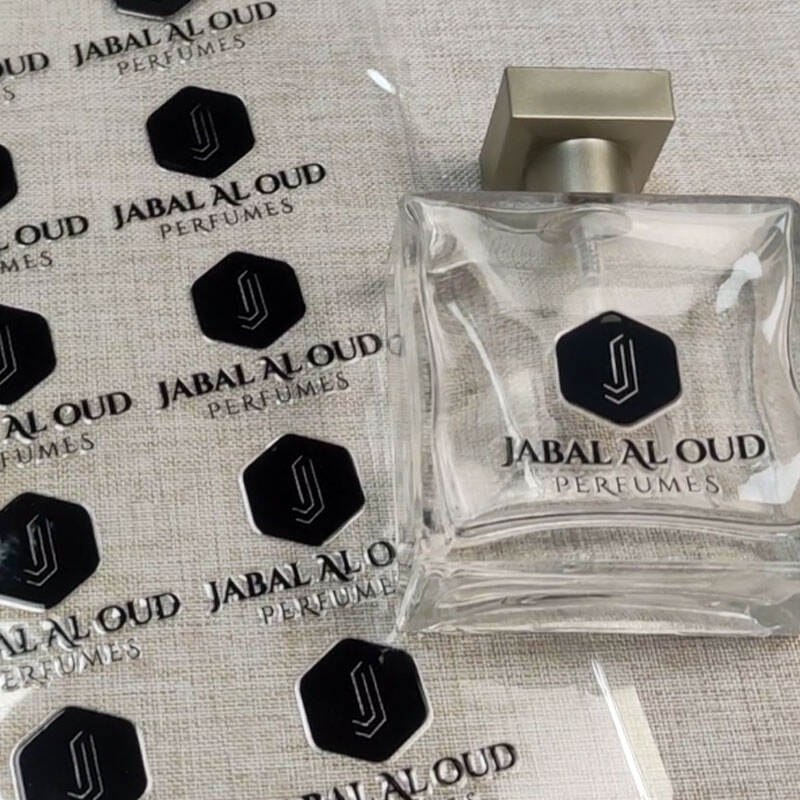
Selecting the right stickers for your business applications is far more than a superficial decision about aesthetics or initial cost. The quality, material composition, adhesive strength, and environmental resistance of stickers directly determine whether your branding, product labeling, or promotional materials will maintain their integrity over months or years of exposure. Poor sticker selection leads to premature fading, adhesive failure, edge lifting, and ultimately brand perception damage that can cost businesses significantly more than the initial savings from choosing inferior products. Understanding why stickers selection matters for long-term performance requires examining the complex interplay between material science, application environment, substrate compatibility, and the specific functional demands your labels must fulfill throughout their operational lifespan.
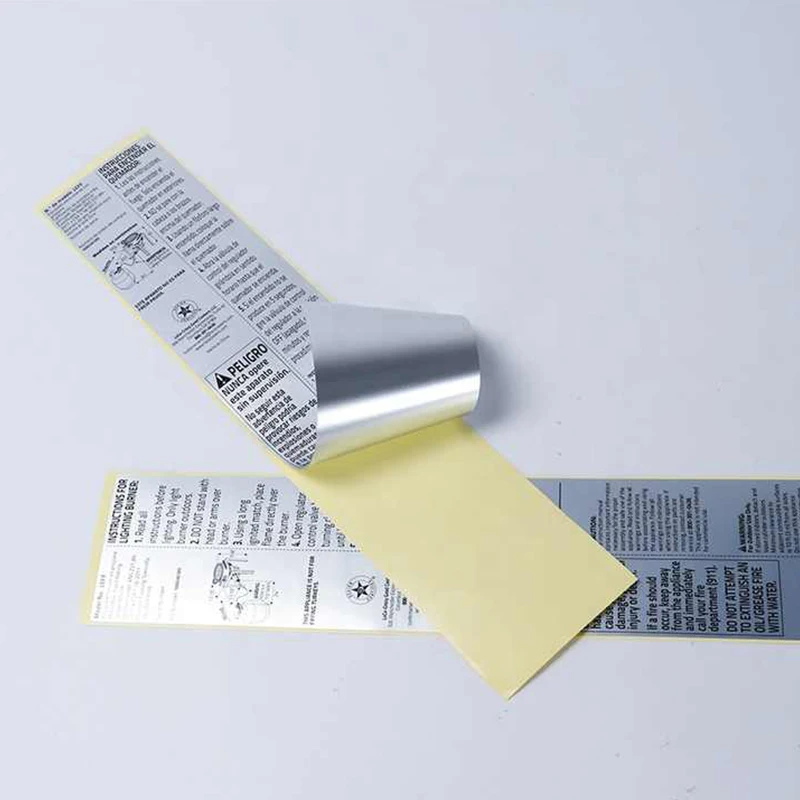
The importance of stickers selection becomes particularly evident when businesses face the consequences of premature label failure in critical applications such as product identification, safety warnings, outdoor advertising, or logistics tracking. When stickers deteriorate before their expected service life, companies experience increased replacement costs, potential compliance issues, customer confusion, and damage to professional reputation. Strategic sticker selection based on rigorous performance criteria ensures that your investment delivers consistent value throughout the entire product lifecycle, maintaining visual clarity, adhesive integrity, and informational accuracy regardless of environmental challenges or handling conditions. This comprehensive examination reveals why informed sticker selection represents a crucial business decision with measurable impact on operational efficiency and brand equity.
Material Science Foundation and Performance Longevity
Substrate Material Determines Durability Characteristics
The foundational material used in sticker construction establishes the baseline durability and environmental resistance that determines long-term performance potential. Vinyl stickers offer exceptional flexibility, weather resistance, and UV stability, making them ideal for outdoor applications where exposure to sunlight, temperature fluctuations, and moisture would rapidly degrade paper-based alternatives. Polyester stickers provide superior dimensional stability and chemical resistance, performing reliably in industrial environments where exposure to solvents, oils, or cleaning agents occurs regularly. Paper stickers with protective coatings serve specific indoor applications where cost efficiency matters more than extreme durability, but these materials require careful environment matching to avoid premature failure.
The molecular structure of sticker materials directly influences their resistance to environmental degradation mechanisms that compromise performance over time. Premium vinyl formulations incorporate UV stabilizers and plasticizers that maintain flexibility while preventing the brittleness that causes cracking and edge lifting after prolonged sun exposure. Polyethylene terephthalate materials used in high-performance stickers resist moisture absorption that causes dimensional changes, ensuring barcode readability and graphic alignment remain consistent throughout multi-year service periods. Understanding these material science fundamentals enables businesses to match sticker substrate properties with the specific environmental challenges their applications will encounter, preventing the performance failures that result from material-environment mismatches.
Adhesive Chemistry Governs Long Term Bonding Integrity
The adhesive layer represents the critical interface between sticker and substrate, where chemical bonding strength determines whether labels maintain position and integrity throughout their intended service life. Acrylic adhesives offer superior aging characteristics with minimal yellowing or adhesive migration, maintaining consistent bond strength across wide temperature ranges and extended time periods. Rubber-based adhesives provide aggressive initial tack suitable for challenging surfaces but may experience cohesive failure or plasticizer migration over time, particularly in elevated temperature environments. Silicone adhesives excel in extreme temperature applications and release characteristics but require careful surface preparation to achieve adequate bond strength for permanent applications.
The interaction between adhesive chemistry and substrate surface energy determines the practical bonding performance that stickers achieve in real-world applications. High surface energy materials like glass and metal allow strong adhesive wetting and chemical bonding, while low surface energy plastics such as polyethylene and polypropylene require specialized adhesive formulations or surface treatment to achieve reliable long-term bonds. The adhesive selection process must account for substrate composition, surface texture, contamination potential, and the mechanical stresses labels will experience during handling, shipping, and use. Proper adhesive matching prevents the premature failure modes of edge lifting, complete delamination, or adhesive residue that compromise both functional performance and aesthetic appearance over the sticker lifespan.
Environmental Resistance and Application Context
UV Exposure and Outdoor Performance Requirements
Ultraviolet radiation represents one of the most aggressive degradation mechanisms affecting sticker performance in outdoor and window-adjacent applications. UV photons break molecular bonds in both printing inks and substrate materials, causing color fading, yellowing, and material embrittlement that progressively destroys sticker functionality and appearance. High-quality stickers designed for outdoor use incorporate UV-resistant materials, specialized ink formulations, and protective laminate layers that absorb or reflect damaging radiation before it reaches critical structural components. The difference in outdoor lifespan between UV-resistant and standard stickers can span from months to years, making material selection critically important for applications requiring extended exterior exposure.
Geographic location and mounting orientation significantly influence the UV exposure intensity that outdoor stickers experience, requiring careful performance specification matching to application conditions. Equatorial regions with intense year-round sunlight demand maximum UV protection compared to temperate climates with seasonal variation and reduced radiation intensity. South-facing vertical surfaces receive substantially greater cumulative UV exposure than north-facing or shaded orientations, affecting the performance durability requirements for stickers in different mounting positions. Businesses must evaluate their specific UV exposure conditions when selecting stickers to ensure material specifications provide adequate protection margin for the harshest conditions labels will encounter throughout their service life.
Temperature Extremes and Thermal Cycling Effects
Temperature variation affects both the physical properties of sticker materials and the chemical characteristics of adhesive bonds, creating performance challenges that proper selection must address. Extreme cold causes many adhesive formulations to lose tack and elasticity, resulting in bond failure particularly on flexible substrates that experience thermal contraction. High temperatures accelerate chemical aging processes, promote adhesive flow and migration, and can cause dimensional changes in substrate materials that generate internal stresses leading to edge lifting or bubbling. Stickers exposed to outdoor conditions or uncontrolled industrial environments regularly experience thermal cycling that compounds these effects, requiring material selections that maintain performance across the full temperature range encountered.
The coefficient of thermal expansion mismatch between sticker materials and substrates creates mechanical stresses during temperature fluctuations that progressively weaken adhesive bonds and material integrity. When substrates expand and contract at different rates than applied stickers, shear forces develop at the bond interface that can overcome adhesive strength over repeated cycles. Specialized sticker constructions using conformable materials and stress-relief adhesives accommodate this differential movement, maintaining bond integrity despite thermal cycling. Applications in automotive environments, outdoor equipment, or temperature-variable storage require sticker selections specifically engineered to withstand thermal stress without performance degradation throughout expected service periods.
Functional Performance and Application-Specific Demands
Print Quality Retention and Information Integrity
The ability of stickers to maintain legible, accurate information throughout their service life directly impacts their functional value in identification, tracking, safety, and branding applications. Print quality degradation occurs through multiple mechanisms including ink fading from UV exposure, abrasion damage from handling or cleaning, chemical attack from environmental contaminants, and substrate deterioration that compromises the printing surface. Premium stickers utilize pigment-based inks with superior lightfastness compared to dye-based alternatives, protective laminate layers that shield printed surfaces from mechanical and chemical damage, and substrate materials that maintain dimensional stability preventing barcode distortion or text misalignment.
Barcode and QR code applications place particularly stringent demands on stickers because scanning technology requires precise geometric accuracy and contrast maintenance for reliable reading. Substrate materials that shrink, swell, or distort under environmental exposure cause barcode elements to shift outside specification tolerances, resulting in scan failures that disrupt logistics and inventory systems. Stickers selected for machine-readable code applications must demonstrate proven dimensional stability across expected environmental conditions, with protective treatments that preserve the contrast ratio between dark and light elements despite UV exposure, contamination, or surface wear. The cost of scan failures and manual intervention far exceeds any savings from selecting inferior sticker materials that cannot maintain code integrity throughout operational requirements.
Chemical Resistance for Industrial Environments
Industrial applications frequently expose stickers to chemicals including solvents, oils, cleaning agents, and process fluids that attack both substrate materials and adhesive bonds. Standard paper stickers rapidly deteriorate when contacted by petroleum products or aqueous cleaning solutions, while even basic vinyl formulations may soften or swell when exposed to aggressive solvents. Polyester and specialized synthetic stickers provide superior chemical resistance, maintaining structural integrity and adhesive performance despite repeated exposure to industrial chemicals. The selection process must identify the specific chemical exposure environment each sticker will encounter, matching material chemical resistance specifications to operational reality rather than assuming generic durability will prove adequate.
Chemical compatibility testing reveals whether proposed sticker materials will withstand actual workplace exposure conditions without premature failure. Immersion testing, spray exposure simulation, and accelerated aging protocols demonstrate how different sticker constructions respond to specific chemicals at concentrations and contact durations reflecting real application scenarios. These performance validations prevent costly field failures where stickers deteriorate unexpectedly, causing information loss, compliance issues, or safety hazards. Industries including manufacturing, chemical processing, automotive service, and healthcare require sticker selections backed by documented chemical resistance data specific to their operational environments, ensuring long-term performance reliability despite challenging exposure conditions.
Economic Impact and Total Cost Optimization
Replacement Cycle Economics and Hidden Costs
The true cost of stickers extends far beyond initial purchase price to encompass the total expense of application labor, replacement frequency, downtime, and potential failures throughout the service period. Inexpensive stickers that require replacement every six months generate higher total costs than premium alternatives lasting three to five years when accounting for removal labor, surface preparation, new label application, and the inventory carrying costs of replacement stock. Premature sticker failure in critical applications creates additional costs including production delays when equipment labels become illegible, compliance violations when safety warnings deteriorate, and customer service expenses when product information becomes unreadable.
Strategic sticker selection based on lifecycle cost analysis rather than initial price optimization delivers superior economic value for businesses prioritizing operational efficiency. Calculating the total cost per year of service reveals that premium stickers often cost less annually than budget alternatives despite higher purchase prices, while simultaneously reducing the administrative burden of tracking replacement schedules and managing application programs. Applications requiring controlled environments, specialized surface preparation, or production downtime for label replacement particularly benefit from extended-life sticker selections that minimize intervention frequency. Understanding these economic realities enables procurement decisions that optimize total value rather than merely minimizing initial expenditure.
Brand Perception and Professional Image Protection
The condition of stickers on products, equipment, vehicles, and facilities directly influences customer perception of brand quality, professionalism, and attention to detail. Faded, peeling, or deteriorated stickers communicate poor quality and inadequate maintenance regardless of actual product or service excellence, creating negative brand associations that undermine marketing investments and competitive positioning. Premium stickers that maintain crisp appearance and secure adhesion throughout extended service periods protect brand equity by ensuring every customer touchpoint reflects the quality standards businesses work to establish. The reputational cost of shabby, failing stickers far exceeds the incremental investment in quality materials that preserve professional appearance.
Industries where visual presentation significantly impacts customer decisions including retail, hospitality, healthcare, and professional services require sticker selections that prioritize appearance retention throughout operational life. Window decals that yellow and crack, product labels that fade and peel, or vehicle graphics that deteriorate create quality perception problems that directly affect purchase decisions and customer confidence. Investing in stickers with proven appearance retention characteristics protects the substantial resources businesses allocate to brand development, ensuring that physical brand expressions maintain the quality associations marketing programs work to create. This brand protection value often justifies premium sticker selections even when purely functional requirements might accept lower-cost alternatives.
Selection Framework and Decision Methodology
Application Environment Analysis and Specification Development
Effective sticker selection begins with systematic analysis of the complete application environment including substrate characteristics, exposure conditions, performance requirements, and service life expectations. Documenting substrate material composition, surface texture, contamination potential, and flexibility helps identify adhesive compatibility requirements that ensure reliable bonding throughout the label lifespan. Environmental factor assessment captures temperature ranges, UV exposure intensity, moisture conditions, chemical contact potential, and mechanical stress patterns that determine necessary material durability specifications. This comprehensive environment characterization enables informed material selection that matches sticker capabilities to actual application demands rather than relying on generic assumptions about performance requirements.
Performance specification development translates environmental analysis into concrete material requirements including minimum service life, print durability standards, adhesive strength parameters, and environmental resistance thresholds. These specifications provide objective criteria for evaluating alternative sticker products, enabling data-driven selection decisions rather than subjective preferences or price-only optimization. Collaborating with experienced sticker suppliers who understand material performance characteristics helps refine specifications to reflect achievable standards while avoiding over-specification that increases costs without proportional performance benefit. The specification development process creates a technical foundation supporting consistent, appropriate sticker selection across diverse applications within an organization.
Supplier Capability Assessment and Quality Validation
Selecting stickers from suppliers with documented quality systems, performance testing capabilities, and technical support resources significantly reduces the risk of specification mismatches and unexpected field failures. Reputable suppliers provide material datasheets with specific performance characteristics including temperature ranges, chemical resistance tables, UV stability ratings, and expected outdoor durability periods that enable informed selection decisions. Quality certifications and compliance documentation demonstrate manufacturing consistency and material traceability that support long-term performance reliability. Technical support capabilities help businesses navigate complex selection decisions, optimize specifications for specific applications, and troubleshoot unexpected performance issues when they arise.
Performance validation through sample testing under actual or simulated application conditions confirms that selected stickers will meet operational requirements before committing to large-scale procurement. Accelerated aging tests, environmental exposure trials, and adhesion testing on actual substrates reveal potential performance limitations that specification review alone might miss. These validation efforts prevent costly deployment of inappropriate sticker selections that fail prematurely, requiring emergency replacement programs and potentially creating compliance or safety issues. The modest investment in pre-deployment testing delivers substantial risk reduction and performance assurance, particularly for critical applications where sticker failure creates significant operational or safety consequences.
FAQ
What is the typical lifespan difference between economy and premium stickers in outdoor applications?
Economy stickers in outdoor applications typically last six months to one year before showing significant fading, adhesive failure, or material deterioration, while premium UV-resistant stickers designed for outdoor use commonly maintain functionality and appearance for three to seven years depending on specific exposure conditions and geographic location. The lifespan difference results from superior materials including UV-stabilized substrates, weather-resistant adhesives, and protective laminate layers that premium stickers incorporate. Applications in harsh environments with intense sunlight, temperature extremes, or coastal conditions may reduce these timeframes, while protected or temperate locations can extend performance beyond typical ranges. The multiple-year performance advantage of premium stickers often justifies their higher initial cost through reduced replacement frequency and lower total lifecycle expenses.
How does substrate surface energy affect sticker adhesion and long-term performance?
Substrate surface energy determines how effectively adhesives wet the surface and form molecular bonds that create adhesion strength. High surface energy materials including glass, metal, and treated plastics allow adhesives to spread completely across the surface, forming strong chemical bonds that resist environmental stress and mechanical forces throughout extended service periods. Low surface energy substrates such as untreated polyethylene, polypropylene, and silicone create challenging bonding conditions requiring specialized high-tack adhesives or surface treatment to achieve reliable long-term adhesion. Stickers applied to incompatible low-energy surfaces often exhibit immediate bonding problems or delayed failure as environmental exposure and mechanical stress overcome inadequate adhesive bonds. Proper sticker selection matches adhesive formulation to substrate surface energy characteristics, ensuring sufficient bond strength for the intended application throughout expected service life.
Can stickers maintain barcode scanning reliability throughout multi-year outdoor exposure?
Stickers specifically engineered for outdoor barcode applications can maintain scanning reliability for three to five years when constructed with UV-resistant materials, dimensionally stable substrates, and protective laminate layers that preserve contrast and geometric accuracy. Standard stickers not designed for outdoor use typically experience barcode degradation within months as UV exposure fades printing inks, substrate deterioration causes dimensional changes, and environmental contamination reduces contrast ratios below scanning thresholds. The key performance factors include substrate dimensional stability preventing barcode distortion, UV-resistant inks or thermal transfer ribbons maintaining element contrast, and protective laminates shielding the printed surface from abrasion and contamination. Applications requiring long-term outdoor barcode reliability must specify materials with documented performance in scanning accuracy retention testing under environmental exposure conditions matching the intended application.
Why do some stickers leave adhesive residue while others remove cleanly after extended application periods?
Adhesive residue after sticker removal results from cohesive failure where the adhesive layer splits, leaving material bonded to the substrate while the sticker face stock separates. This occurs when environmental exposure, particularly elevated temperatures and UV radiation, degrades adhesive chemistry causing loss of internal cohesive strength even as substrate bonding remains intact. Premium removable adhesives maintain cohesive strength throughout aging while using controlled adhesion mechanisms that release cleanly from substrates when removal force is applied. Permanent adhesive formulations intentionally maximize substrate bonding and accept cohesive failure during removal attempts, making them unsuitable for temporary applications requiring clean removal. Sticker selection must match adhesive type to application permanence requirements, with removable formulations for temporary applications and permanent adhesives only where labels will remain for the product or equipment lifetime.
Table of Contents
- Material Science Foundation and Performance Longevity
- Environmental Resistance and Application Context
- Functional Performance and Application-Specific Demands
- Economic Impact and Total Cost Optimization
- Selection Framework and Decision Methodology
-
FAQ
- What is the typical lifespan difference between economy and premium stickers in outdoor applications?
- How does substrate surface energy affect sticker adhesion and long-term performance?
- Can stickers maintain barcode scanning reliability throughout multi-year outdoor exposure?
- Why do some stickers leave adhesive residue while others remove cleanly after extended application periods?