
 EN
EN


In harsh outdoor and industrial environments, ordinary stickers fail within weeks or even days. A waterproof sticker, however, is engineered to withstand moisture, UV exposure, temperature fluctuations, and chemical exposure that would destroy standard adhesive labels. Understanding why a waterproof sticker matters is critical for any organization managing equipment, inventory, or branding in challenging conditions. From construction sites to manufacturing facilities, a waterproof sticker serves as a reliable labeling solution that maintains legibility, adhesion, and brand integrity regardless of weather or environmental stress.
The importance of implementing a waterproof sticker strategy extends beyond simple durability. Organizations worldwide recognize that a waterproof sticker investment reduces replacement cycles, minimizes operational disruptions, and protects critical information on outdoor assets. Whether applied to machinery, shipping containers, warning labels, or product packaging exposed to elements, a waterproof sticker ensures that essential identification, compliance data, and branding remain visible and intact. This guide explores the core reasons why selecting the right waterproof sticker is fundamental to outdoor and industrial success.
Environmental Durability and Moisture Resistance
Protection Against Water and Humidity
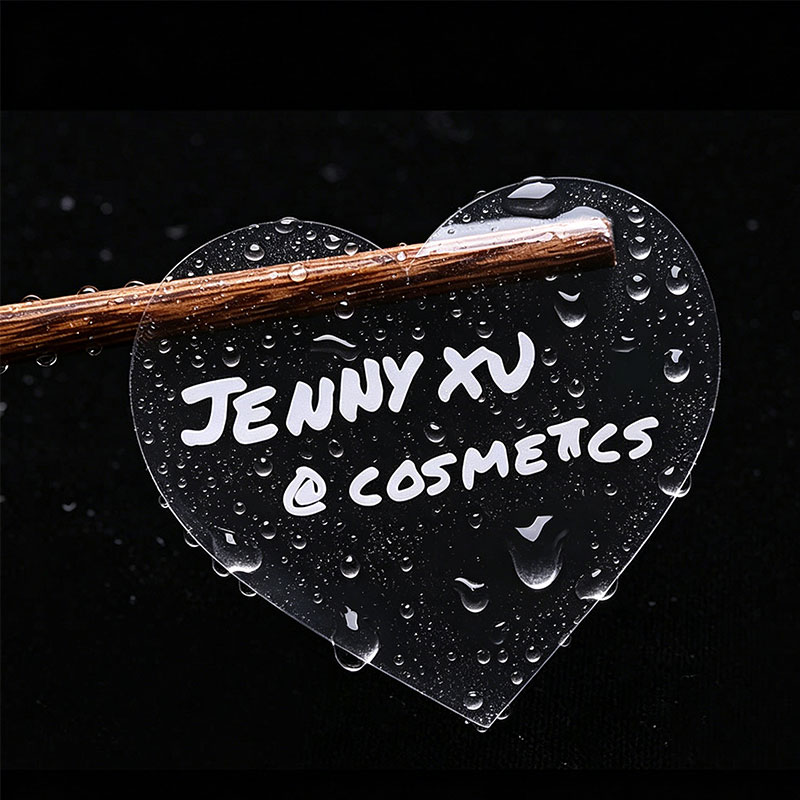
A waterproof sticker is specifically designed with materials and adhesives that resist water penetration and moisture damage. Unlike conventional paper or vinyl labels, a waterproof sticker maintains its integrity when exposed to rain, fog, spray, or high-humidity environments. The material composition of a waterproof sticker typically includes polyester, PET film, or marine-grade vinyl that naturally repels water molecules. This moisture resistance means that critical information printed on a waterproof sticker remains legible even after extended exposure to wet conditions, which is essential for outdoor equipment tracking and industrial asset management.
Temperature and UV Stability
Environmental extremes pose significant challenges to label durability, yet a waterproof sticker excels in conditions where standard labels fail. Temperature fluctuations, freeze-thaw cycles, and intense UV radiation cause ordinary stickers to fade, crack, or lose adhesion. A waterproof sticker formulation includes UV-resistant inks and stabilized polymers that maintain color accuracy and structural integrity across wide temperature ranges. In outdoor industrial applications such as pipeline marking, solar panel identification, or outdoor signage, a waterproof sticker ensures that regulatory compliance information, safety warnings, and asset identification remain clear and compliant with industry standards throughout their operational lifespan.
Cost Efficiency and Operational Continuity
Extended Label Lifespan and Reduced Replacement
The total cost of ownership for labeling systems depends heavily on label durability. A waterproof sticker significantly extends asset label lifespan, reducing the frequency of replacement cycles and associated labor costs. Organizations deploying a waterproof sticker on outdoor equipment often see three to five times longer usable life compared to standard labels. This extended performance means fewer maintenance interruptions, reduced inventory management overhead, and more predictable operational budgets. In industries such as construction, maritime, or renewable energy, where replacing labels on deployed equipment is logistically challenging and expensive, investing in a waterproof sticker strategy directly translates to measurable cost savings and improved asset visibility throughout the equipment lifecycle.
Compliance and Risk Mitigation
Regulatory bodies in manufacturing, hazardous materials handling, and workplace safety require that critical labels remain legible and affixed throughout an asset's operational life. A waterproof sticker ensures regulatory compliance by maintaining label integrity in field conditions where information must remain permanently accessible. Safety warnings, QR codes, serial numbers, and handling instructions printed on a waterproof sticker remain scannable and readable even after months of outdoor exposure. Organizations that deploy a waterproof sticker on regulated equipment reduce liability exposure, avoid costly compliance violations, and demonstrate due diligence in asset management. This risk mitigation benefit makes a waterproof sticker an essential component of comprehensive asset tracking and workplace safety programs.
Industrial Applications and Brand Protection
Equipment Identification and Asset Tracking
Modern supply chain and facility management depend on reliable asset identification across diverse environments. A waterproof sticker enables consistent asset tracking in warehouses, outdoor storage yards, manufacturing floors, and transportation routes where standard labels would quickly deteriorate. Serial numbers, asset tags, and QR codes printed on a waterproof sticker provide permanent machine-readable identification that integrates with inventory management systems. In construction, heavy equipment rental, and industrial leasing operations, a waterproof sticker ensures that equipment can be accurately tracked, audited, and verified regardless of storage conditions or weather exposure. This traceability directly improves asset recovery, reduces loss and theft, and streamlines maintenance scheduling.
Branding and Customer Experience
For outdoor product applications, a waterproof sticker protects brand reputation and customer perception. Products exposed to weathering—such as outdoor furniture, garden tools, marine equipment, or industrial machinery—require labels that maintain professional appearance despite environmental stress. A waterproof sticker preserves logo clarity, color consistency, and product information that reinforces brand reliability and quality perception. Customers evaluating outdoor products expect labels to remain intact and readable, and a waterproof sticker delivers that expectation. Additionally, a waterproof sticker enables suppliers to include care instructions, warranty information, and contact details that remain accessible even in challenging conditions, thereby enhancing customer support and reducing post-sale inquiries.
FAQ
What materials make a waterproof sticker truly waterproof?
A waterproof sticker is typically constructed from polyester, polypropylene, PET film, or marine-grade vinyl materials combined with synthetic adhesives that resist water infiltration. The combination of hydrophobic film material and moisture-resistant adhesive creates a barrier that prevents water from penetrating behind the label or degrading the printed surface. Additionally, a waterproof sticker uses solvent-based or UV-cured inks that won't bleed or fade when exposed to moisture, ensuring long-term legibility in wet environments.
How long does a waterproof sticker last outdoors?
A waterproof sticker's outdoor lifespan typically ranges from two to five years or longer, depending on the specific environmental conditions and material grade. Direct sun exposure, extreme temperature swings, and saltwater spray may reduce a waterproof sticker's effective lifespan, while sheltered outdoor locations extend durability. Premium-grade waterproof sticker products formulated for marine or industrial use often exceed five years of reliable performance, making them cost-effective for long-term asset labeling compared to standard labels that may degrade within weeks.
Can a waterproof sticker be customized for specific industry needs?
Yes, a waterproof sticker is fully customizable to meet specific industry requirements, including size, shape, color, barcode integration, and specialized inks. Organizations can tailor a waterproof sticker with company logos, regulatory markings, QR codes, or chemical-resistant inks for hazardous material applications. Custom waterproof sticker solutions are available from specialized label manufacturers and allow businesses to align labeling with brand guidelines, compliance standards, and operational workflows while maintaining superior durability in outdoor and industrial settings.