
 EN
EN




In today's saturated commercial landscape, brands face unprecedented challenges in capturing consumer attention and establishing memorable market positions. Visual identity components play a critical role in this competitive environment, yet many businesses overlook one of the most versatile and cost-effective differentiation tools available. Custom stickers serve as powerful brand ambassadors that extend marketing reach, reinforce visual identity, and create tangible touchpoints between companies and their target audiences. Unlike traditional advertising channels that require substantial ongoing investment, custom stickers deliver persistent brand exposure through strategic placement on products, packaging, promotional materials, and customer belongings, transforming every application into a potential marketing moment that strengthens brand recognition and recall.
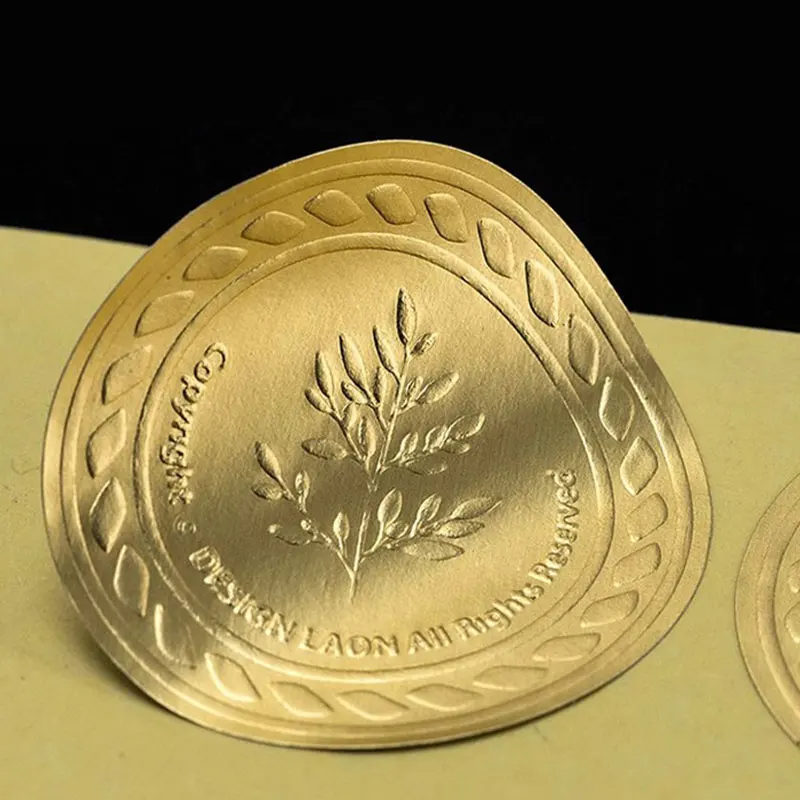
The question of how custom stickers enhance brand differentiation requires examining the multifaceted ways these adhesive marketing tools create competitive advantages across diverse market sectors. From establishing immediate visual recognition to fostering emotional connections with customers, custom stickers function as strategic assets that amplify brand messaging while accommodating the specific aesthetic and functional requirements of different industries. This comprehensive exploration reveals the mechanisms through which custom stickers strengthen market position, the psychological principles underlying their effectiveness, and the practical implementation strategies that maximize their differentiating impact in environments where numerous competitors vie for the same consumer attention and loyalty.
The Visual Recognition Foundation of Brand Differentiation
Creating Immediate Brand Identification Through Design Elements
Visual recognition forms the cornerstone of brand differentiation, and custom stickers provide businesses with concentrated opportunities to establish distinctive aesthetic signatures. When designed with strategic intention, these adhesive marketing materials translate complex brand identities into immediately recognizable visual shorthand that consumers process within milliseconds. The combination of logo placement, color palette execution, typography selection, and graphic element arrangement on custom stickers creates unique visual patterns that become synonymous with specific brands over time. This concentrated visual communication proves particularly valuable in competitive markets where numerous similar products occupy adjacent shelf space or digital listings, requiring instant differentiation to capture consumer interest before detailed evaluation occurs.
The neurological processing of visual information gives custom stickers inherent advantages in brand differentiation efforts. Research in cognitive psychology demonstrates that the human brain processes images significantly faster than text, with color increasing brand recognition by substantial margins. Custom stickers leverage these cognitive mechanisms by presenting brand elements in formats optimized for rapid recognition and emotional response. The tactile dimension of stickers adds another sensory layer to brand experience, creating memory anchors that purely visual digital marketing cannot replicate. When consumers physically interact with custom stickers during product opening, application, or collection activities, they engage multiple sensory pathways that strengthen neural associations between visual elements and brand identity, building recognition that persists across subsequent market encounters.
Maintaining Consistent Brand Presence Across Customer Touchpoints
Brand consistency across multiple customer touchpoints reinforces differentiation by creating coherent experiences that distinguish one company from competitors with fragmented or inconsistent messaging. Custom stickers enable businesses to extend uniform visual identity beyond primary marketing channels into practical applications that accompany products throughout their lifecycle. Whether affixed to packaging materials, included as promotional inserts, applied to shipping containers, or distributed at events, custom stickers carry identical brand elements into diverse contexts, ensuring customers encounter consistent visual messaging regardless of interaction point. This pervasive consistency builds cumulative recognition that strengthens competitive positioning, particularly when competitors lack similarly cohesive visual strategies across their customer journey touchpoints.
The cost-effectiveness of custom stickers compared to other consistency-maintaining marketing tools makes them accessible differentiation instruments for businesses across varied budget ranges. While maintaining brand presence through multiple advertising channels requires substantial ongoing investment, custom stickers deliver persistent visibility through one-time production costs that scale efficiently with order volume. This economic advantage allows smaller businesses to achieve visual consistency levels previously accessible only to larger competitors with extensive marketing budgets. The durability of quality custom stickers extends their brand-carrying function across extended timeframes, with properly produced adhesive materials maintaining visual integrity through typical product storage, transportation, and usage conditions. This longevity transforms each sticker application into a long-term brand impression generator that continues differentiating the company throughout the product's active lifespan.
Psychological Mechanisms That Amplify Differentiation Impact
Building Emotional Connections Through Collectibility and Exclusivity
The psychological appeal of collection and ownership creates differentiation advantages when businesses design custom stickers with these motivations in mind. Many consumers develop emotional attachments to brands that offer collectible elements, with limited editions, seasonal variations, or thematic series of custom stickers transforming routine purchases into opportunities for ongoing engagement. This collectibility dimension elevates custom stickers beyond functional labeling into desirable brand artifacts that customers actively seek, creating differentiation through emotional investment rather than purely rational product comparison. When competitors treat adhesive materials as mere packaging necessities, businesses that leverage the collectible psychology of custom stickers establish emotional bonds that resist price-based competition and increase customer loyalty across purchase cycles.
The social signaling function of custom stickers extends differentiation beyond individual consumer relationships into peer influence networks. When customers apply branded stickers to personal items like laptops, water bottles, phone cases, or notebooks, they signal affiliation with specific brands to their social circles, effectively becoming voluntary brand ambassadors. This public display behavior proves particularly powerful in competitive markets where brand association communicates identity, values, or group membership. Custom stickers designed with aesthetic appeal that transcends pure commercial messaging encourage this social sharing behavior, with visually compelling designs earning placement in contexts where overt advertising would face resistance. The voluntary nature of this display differentiates brands whose custom stickers people choose to showcase from competitors whose marketing materials remain hidden or discarded immediately after product purchase.
Triggering Reciprocity Responses That Strengthen Brand Preference
The psychological principle of reciprocity creates subtle but measurable differentiation advantages when businesses include custom stickers as unexpected value additions to customer transactions. When customers receive attractive, functional, or collectible stickers beyond their primary purchase, they experience a small gift moment that triggers unconscious obligation to reciprocate through continued brand preference or positive recommendations. This reciprocity effect proves especially potent in competitive markets where functional product differences between competitors remain minimal, with the perceived generosity of including quality custom stickers tipping preference toward brands that demonstrate customer appreciation through these tangible extras. The cost-to-impact ratio of this strategy exceeds many traditional customer retention programs, with relatively inexpensive custom stickers generating goodwill disproportionate to their production expense.
The surprise element of well-designed custom stickers enhances their psychological impact on brand differentiation. In markets where customers expect standardized packaging and predictable unboxing experiences, discovering thoughtfully designed custom stickers creates memorable moments that distinguish the brand from competitors offering functionally equivalent products. This positive surprise registers in memory with greater strength than expected elements, building brand associations that persist beyond the immediate transaction. Businesses that systematically incorporate custom stickers into their customer experience design create accumulating differentiation advantages as customers encounter these pleasant surprises across multiple purchases, building narrative expectations about brand personality that contrast with competitors offering more transactional, purely functional interactions devoid of these experiential flourishes.
Strategic Implementation Approaches for Maximum Differentiation
Aligning Sticker Design With Core Brand Identity Elements
Effective differentiation through custom stickers requires careful alignment between adhesive materials and established brand identity frameworks. Businesses achieve maximum competitive advantage when their custom stickers translate core brand elements into adhesive formats rather than treating stickers as separate design exercises disconnected from broader identity systems. This alignment encompasses color accuracy that matches established brand palettes, typography selections that reflect brand personality characteristics, graphic element arrangements that echo website and packaging aesthetics, and messaging tones that reinforce positioning statements communicated through other channels. When custom stickers function as miniaturized expressions of comprehensive brand identities, they amplify differentiation by reinforcing recognition patterns customers develop across all brand touchpoints, creating cumulative impact that exceeds isolated sticker effects.
The technical execution quality of custom stickers directly impacts their differentiation effectiveness, with production choices communicating brand positioning through material properties and finishing techniques. Premium finishing options like embossing, foil stamping, spot UV coating, or specialty die-cutting create tactile and visual qualities that distinguish brands as quality-focused in markets where competitors use standard printing approaches. The substrate selection for custom stickers similarly communicates positioning, with choices ranging from economical paper materials to premium vinyl or specialty materials like holographic films or textured surfaces. These production decisions function as non-verbal brand statements that differentiate companies before customers consciously analyze messaging content, with the physical properties of custom stickers triggering immediate quality assessments that influence brand perception and competitive positioning.
Implementing Application Strategies That Maximize Visibility and Impact
Strategic placement decisions determine whether custom stickers achieve their full differentiation potential or fade into overlooked packaging elements. Businesses gain competitive advantages by thoughtfully analyzing customer interaction patterns and identifying optimal sticker placement locations that guarantee visibility during key decision moments. Primary packaging surfaces that face customers during shelf browsing or online product photography deserve priority placement, ensuring custom stickers contribute to initial product selection decisions. Secondary applications on packaging interiors, product surfaces, or included promotional materials extend brand exposure beyond purchase moments into usage contexts where custom stickers reinforce differentiation throughout ownership periods. This multi-layer placement strategy creates redundant brand impressions that strengthen competitive positioning more effectively than single-location applications.
The functional integration of custom stickers into product ecosystems amplifies differentiation by adding utility beyond pure decoration. Businesses that design custom stickers serving dual purposes as tamper-evident seals, instructional guides, warranty indicators, or authentication marks create differentiation through added functionality that justifies the sticker presence while delivering brand exposure. This functional approach proves particularly effective in competitive markets where customers evaluate products based on comprehensive value propositions rather than isolated features. When custom stickers solve practical problems while simultaneously carrying brand identity, they demonstrate the thoughtful customer focus that distinguishes market leaders from competitors offering equivalent core products without these experience-enhancing details. The perceived value of functional custom stickers exceeds purely decorative alternatives, creating differentiation through demonstrated commitment to customer convenience and product integrity.
Industry-Specific Differentiation Applications and Adaptations
Retail and Consumer Goods Market Positioning
In retail environments where numerous competing products occupy limited shelf space, custom stickers provide critical differentiation tools that influence purchase decisions at the critical point of sale. Brands operating in crowded product categories use custom stickers to communicate unique selling propositions, limited-time offers, sustainability credentials, or quality certifications that distinguish their offerings from adjacent competitors. The placement flexibility of custom stickers allows rapid market response to competitive actions or promotional opportunities without requiring complete packaging redesigns, enabling agile differentiation strategies that maintain relevance in dynamic retail environments. Seasonal custom stickers, promotional tie-ins, or event-specific designs create temporal differentiation that generates urgency and novelty while maintaining core brand recognition through consistent underlying identity elements.
The unboxing experience economy has elevated custom stickers from functional labeling to experiential branding tools that differentiate direct-to-consumer brands in competitive e-commerce markets. Companies shipping products directly to customers use custom stickers as unboxing experience elements that transform mundane package opening into memorable brand moments worth social media sharing. This approach proves particularly valuable for brands competing against established retailers with physical presence advantages, using superior unboxing experiences enhanced by thoughtfully designed custom stickers to create differentiation based on customer experience rather than pure product comparison. The social media amplification potential of shareable unboxing moments extends the differentiation impact of custom stickers beyond individual recipients to their follower networks, generating organic brand exposure that compounds the stickers' direct marketing value.
Professional Services and B2B Market Distinction
Professional services firms and B2B companies leverage custom stickers differently than consumer brands, focusing on credibility signaling and relationship reinforcement rather than mass market appeal. In these contexts, custom stickers function as professional marks that communicate certifications, quality standards, partnership affiliations, or industry recognitions that differentiate service providers in markets where intangible service quality proves difficult to evaluate before engagement. The placement of custom stickers on proposals, presentation materials, equipment, or client deliverables creates persistent visual reminders of provider identity that maintain brand presence throughout extended sales cycles or ongoing service relationships. This sustained visibility differentiates proactive relationship-building firms from competitors who limit branding to initial contact materials and allow their identity to fade during implementation phases.
The gift and appreciation functions of custom stickers in B2B contexts create differentiation through relationship investment signaling. Professional service providers who include quality custom stickers with client deliverables, holiday greetings, or appreciation packages demonstrate attention to relationship details that distinguish them from purely transactional competitors. These custom stickers often feature designs that blend professional aesthetics with personal appeal, enabling recipients to use them in workplace contexts without appearing overly commercial while still carrying brand identity into daily visibility. The cumulative effect of these relationship-focused custom stickers builds differentiation through demonstrated commitment to client experience beyond contractual obligations, positioning brands as partners rather than vendors in competitive markets where functional service delivery alone no longer guarantees preference or loyalty.
Measuring and Optimizing Differentiation Effectiveness
Establishing Metrics That Quantify Sticker Impact on Market Position
Effective differentiation strategies require measurement frameworks that connect custom stickers to tangible business outcomes rather than treating them as unmeasured marketing expenses. Businesses implementing custom stickers for differentiation purposes benefit from establishing baseline metrics before deployment and tracking changes across relevant indicators including brand recognition scores, customer acquisition costs, repeat purchase rates, social media mentions, and competitive win rates. Advanced approaches incorporate unique identifiers or promotional codes on custom stickers that enable direct attribution tracking, revealing which sticker designs, placements, or distribution strategies generate measurable response. This data-driven approach transforms custom stickers from subjective design exercises into accountable marketing investments with quantifiable returns that justify continued refinement and resource allocation.
Customer feedback mechanisms provide qualitative insights into how custom stickers influence differentiation perceptions in competitive contexts. Post-purchase surveys, social media monitoring, customer interview programs, and focus group discussions reveal the specific ways customers perceive and value custom stickers relative to competitor offerings. These insights often uncover unexpected differentiation benefits, such as customers using custom stickers as gift wrapping embellishments, collection items, or conversation starters that extend brand exposure beyond initially planned applications. Understanding these organic usage patterns enables businesses to refine custom stickers designs and distribution strategies to amplify naturally occurring behaviors that enhance differentiation, creating feedback loops where customer input directly improves the competitive effectiveness of subsequent sticker iterations.
Iterating Design and Strategy Based on Performance Data
Continuous improvement processes ensure custom stickers maintain differentiation effectiveness as markets evolve and competitor strategies shift. Businesses committed to sustained competitive advantage through custom stickers implement regular review cycles examining design performance, production quality consistency, customer response patterns, and competitive landscape changes that might require strategic adjustments. This iterative approach prevents stagnation where initially effective custom stickers gradually lose impact as customers develop familiarity or competitors adopt similar strategies. The relatively low cost and quick production timelines for custom stickers enable rapid testing of design variations, finishing techniques, or messaging approaches, allowing businesses to experiment with differentiation strategies without the risk associated with comprehensive packaging overhauls or major marketing campaign launches.
The integration of custom stickers into broader brand experience optimization programs amplifies their differentiation impact through coordinated touchpoint management. Rather than treating custom stickers as isolated elements, leading brands incorporate them into comprehensive customer journey mapping exercises that identify optimal moments for sticker deployment and ensure consistent experience progression across all brand interactions. This systematic approach reveals opportunities for custom stickers to address specific differentiation challenges at particular journey stages, such as using premium custom stickers to reinforce quality positioning during unboxing or including instruction-focused custom stickers that differentiate through superior customer education. The holistic perspective prevents suboptimization where custom stickers excel in isolation but fail to contribute effectively to overall competitive positioning due to disconnection from broader brand strategy frameworks.
FAQ
What makes custom stickers more effective than other marketing materials for brand differentiation?
Custom stickers offer unique differentiation advantages through their combination of low cost, high versatility, persistent visibility, and voluntary customer engagement. Unlike advertising that disappears after campaign conclusion or digital marketing that competes for screen attention, custom stickers create physical brand presences that persist in customer environments for extended periods. Their application flexibility allows placement on diverse surfaces from product packaging to personal belongings, extending brand reach into contexts where traditional marketing faces access barriers. The collectible and shareable nature of well-designed custom stickers encourages voluntary brand advocacy as customers display them publicly, creating organic differentiation through peer influence rather than paid promotion. This combination of economic efficiency, placement versatility, temporal persistence, and social amplification potential makes custom stickers particularly effective differentiation tools in competitive markets where attention scarcity and marketing saturation diminish traditional channel effectiveness.
How can small businesses compete with larger brands using custom stickers for differentiation?
Small businesses leverage custom stickers for competitive differentiation by emphasizing creativity, authenticity, and community connection rather than attempting to match larger competitors' production scale or distribution reach. Smaller operations often enjoy greater design flexibility and faster decision-making, enabling them to create custom stickers that reflect genuine brand personality and respond quickly to market trends or customer preferences without navigating complex approval hierarchies. The relatively low minimum order quantities and production costs for custom stickers make sophisticated finishing techniques and premium materials accessible to businesses across varied budget ranges, allowing small companies to achieve visual quality comparable to larger competitors. Small businesses frequently excel at creating custom stickers that foster community belonging and insider status among customers, using limited editions, local references, or collaborative designs that larger brands struggle to replicate authentically. This approach transforms the scale disadvantage into a differentiation advantage, positioning small businesses as more personal, responsive, and connected alternatives to impersonal large competitors in markets where customers increasingly value authenticity and community over pure scale.
What design elements in custom stickers create the strongest differentiation impact?
The most impactful differentiation elements in custom stickers combine distinctive visual identity with emotional resonance and practical consideration. Color selection proves fundamental, with unique or unexpected palette combinations creating immediate visual distinction while maintaining sufficient contrast for legibility across varied application surfaces. Typography choices communicate brand personality through letter form characteristics, with custom or carefully selected typefaces differentiating brands more effectively than generic font selections shared across numerous competitors. The incorporation of tactile elements through embossing, texture, or specialty finishes adds physical differentiation dimensions that purely visual designs cannot achieve, creating memorable sensory experiences that strengthen brand recall. Shape innovation through custom die-cutting transforms standard rectangular formats into distinctive silhouettes that increase recognition and collection appeal. Conceptual originality in graphic approach, whether through illustration style, photographic treatment, or abstract design language, creates cognitive differentiation by presenting brand identity through unique visual vocabularies. The most successful custom stickers integrate these elements coherently rather than applying them individually, creating unified designs where color, typography, texture, shape, and concept reinforce consistent brand personalities that stand apart in competitive visual environments.
How frequently should businesses update their custom stickers to maintain differentiation effectiveness?
The optimal update frequency for custom stickers balances consistency requirements that build recognition against freshness needs that sustain interest and prevent competitive copying. Core custom stickers featuring primary brand identity elements benefit from stability across extended periods, with updates occurring only when broader brand evolution requires identity refinement. This consistency allows cumulative recognition building as customers encounter identical designs across multiple interactions and timeframes. Supplementary custom stickers serving promotional, seasonal, or campaign-specific purposes should rotate more frequently, typically quarterly or aligned with major marketing initiatives, creating variety that maintains customer interest while core elements provide continuity. Businesses operating in rapidly evolving markets or targeting trend-sensitive demographics may require more frequent updates to maintain relevance, while companies in traditional industries often achieve better differentiation through consistent long-term custom stickers that build authority through persistence. The key lies in distinguishing between foundational custom stickers that should remain stable for recognition purposes and variable custom stickers that can change regularly for engagement purposes, creating layered strategies where consistency and novelty coexist to maximize sustained differentiation impact across competitive market cycles.
Table of Contents
- The Visual Recognition Foundation of Brand Differentiation
- Psychological Mechanisms That Amplify Differentiation Impact
- Strategic Implementation Approaches for Maximum Differentiation
- Industry-Specific Differentiation Applications and Adaptations
- Measuring and Optimizing Differentiation Effectiveness
-
FAQ
- What makes custom stickers more effective than other marketing materials for brand differentiation?
- How can small businesses compete with larger brands using custom stickers for differentiation?
- What design elements in custom stickers create the strongest differentiation impact?
- How frequently should businesses update their custom stickers to maintain differentiation effectiveness?