
 EN


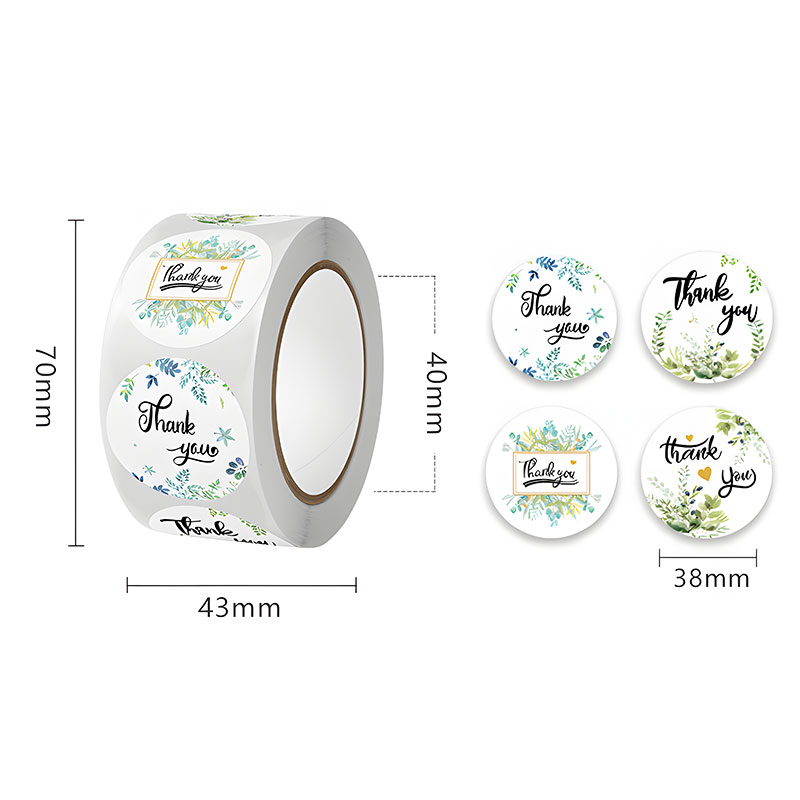
Selecting the right thank you sticker for your business requires careful evaluation of multiple performance factors that directly impact customer perception, brand longevity, and return on investment. A thank you sticker application serves as a tangible brand touchpoint that extends far beyond the initial transaction, making it essential to understand which performance metrics matter most. Whether you're packaging products, rewarding loyalty, or creating memorable unboxing experiences, the thank you sticker you choose will reflect your company's standards and attention to detail. This guide explores the critical performance factors that should guide your thank you sticker selection process.
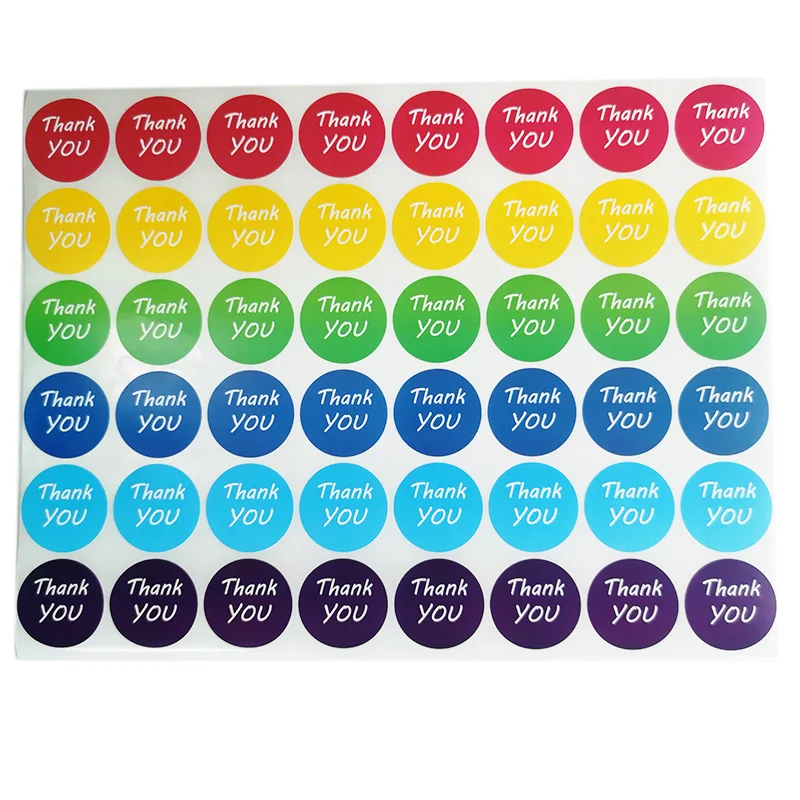
The performance of a thank you sticker depends on how well it withstands real-world conditions while maintaining visual appeal and functional integrity. From adhesive strength to material composition, each performance factor plays a specific role in determining whether your thank you sticker will deliver the intended brand message consistently. Understanding these factors empowers you to make informed purchasing decisions that align with your operational requirements and customer expectations.
Adhesive Strength and Material Durability
Evaluating Adhesive Performance
The adhesive system is the foundation of any thank you sticker application's success. A high-quality thank you sticker must maintain permanent or semi-permanent adhesion across diverse substrates including cardboard, plastic, glass, and metal without peeling, curling, or lifting during handling or storage. When evaluating thank you sticker adhesive performance, consider the temperature range it will experience, humidity exposure, and the duration the sticker must remain adhered. Pressure-sensitive adhesives vary in formulation, with some optimized for smooth surfaces and others designed for textured or porous materials. Testing the thank you sticker on your actual packaging materials before full production ensures the adhesive performs as expected in your specific operational environment.
Substrate Compatibility and Material Selection
The base material of your thank you sticker directly influences its durability and appearance over time. Paper-based thank you sticker materials offer cost-effectiveness and recyclability but may not withstand moisture, oil, or temperature fluctuations without degradation. PET (polyethylene terephthalate) and other synthetic materials provide superior water resistance, making them ideal for a thank you sticker that must endure shipping conditions, refrigeration, or outdoor environments. Vinyl thank you sticker materials deliver exceptional durability and flexibility, resisting tearing and maintaining adhesion on curved surfaces. When selecting a thank you sticker material, prioritize alignment with your product type, storage conditions, and intended customer touchpoint duration to ensure the sticker maintains its integrity and visual quality throughout its lifecycle.
Visual Quality and Color Fidelity
Print Resolution and Clarity Standards
A thank you sticker serves as a brand ambassador, so print resolution directly affects its impact and perceived professionalism. High-resolution printing ensures that text remains crisp, logos appear sharp, and design details stay distinct even on small thank you sticker formats. Evaluate the print quality by examining color gradients, fine lines, and small text at the dimensions your thank you sticker will actually be produced. Photographic or complex artwork on a thank you sticker requires 300 DPI minimum to prevent pixelation or quality loss. The printing technology used—whether digital, flexographic, or screen printing—influences cost, minimum order quantities, and the visual results achievable for your thank you sticker application.
Color Stability and Fade Resistance
UV exposure and environmental stress can degrade the color vibrancy of a thank you sticker over months or years. A premium thank you sticker incorporates UV-resistant inks and protective coatings that preserve color integrity even when exposed to sunlight or harsh storage conditions. Testing color fade under accelerated UV exposure provides quantifiable data on how long your thank you sticker maintains its visual appeal. Matte and glossy finish options affect both aesthetic perception and practical durability; glossy finishes on a thank you sticker enhance color vibrancy but may show fingerprints, while matte finishes reduce gloss but provide a softer, more sophisticated appearance. Specifying archival-grade inks for your thank you sticker ensures long-term color stability, supporting brand consistency and customer satisfaction.
Environmental Impact and Sustainability Metrics
Recyclability and Material Composition
Modern consumers increasingly value sustainable practices, making environmental performance a critical evaluation factor for your thank you sticker selection. An eco-friendly thank you sticker minimizes waste and environmental impact by using recyclable materials, water-based inks, and adhesives that don't compromise material recyclability. Verify whether your thank you sticker is compatible with standard recycling streams or requires special processing; compostable thank you sticker options exist for businesses targeting zero-waste initiatives. Material sourcing transparency matters as well—knowing whether your thank you sticker originates from responsible forestry or recycled content demonstrates commitment to sustainability. Third-party certifications validate the environmental claims of your thank you sticker, giving customers confidence that your brand values align with their own.
Production Efficiency and Waste Reduction
The production process for a thank you sticker impacts its total environmental footprint. Die-cutting efficiency directly influences material waste; selecting a sheet layout that minimizes scrap when producing your thank you sticker reduces both costs and environmental burden. Digital printing technology enables shorter production runs with less setup waste compared to traditional methods, making small-batch thank you sticker production more sustainable. Evaluating the manufacturer's waste management practices, energy consumption, and water usage provides insight into the overall environmental cost of your thank you sticker production. Partnering with suppliers who actively reduce their production footprint ensures your thank you sticker aligns with corporate sustainability goals and appeals to environmentally conscious customers.
Application-Specific Performance Requirements
Moisture and Chemical Resistance
The performance environment where your thank you sticker will be applied determines which resistance properties matter most. If your thank you sticker will be affixed to products stored in humid conditions, refrigerated environments, or exposed to oils or cleaning chemicals, you need superior moisture and chemical resistance. Thank you sticker performance in wet or oily conditions requires synthetic materials with adhesive systems engineered for these challenges; water-based adhesives may fail under moisture exposure, while solvent-resistant formulations are essential for thank you sticker applications on cosmetic or food-grade packaging. Field testing your thank you sticker under the specific conditions it will encounter provides definitive performance data and prevents costly production failures or customer dissatisfaction.
Dimensional Stability and Conformability
Thank you sticker performance on curved, textured, or irregular surfaces requires materials with appropriate flexibility and conformability. Premium thank you sticker formulations stretch slightly during application, allowing the sticker to wrap around corners, cylindrical objects, or embossed surfaces without buckling or air bubbles. Dimensional stability of your thank you sticker matters for automated applicator compatibility; thank you sticker materials that shrink or expand with temperature or humidity can jam equipment or apply misaligned. Testing your thank you sticker on actual application surfaces and equipment ensures performance metrics meet production requirements and deliver the professional appearance your brand demands.
FAQ
What makes adhesive strength critical when choosing a thank you sticker?
Adhesive strength determines whether your thank you sticker remains permanently affixed or falls off during handling, shipping, or storage. A thank you sticker with inadequate adhesion creates negative customer experiences and wastes your marketing investment, while over-engineered adhesive may make removal difficult or damage packaging substrates. The right adhesive balance for your thank you sticker ensures it stays attached throughout the product lifecycle while remaining removable if customers desire, supporting both functionality and user satisfaction.
How does material choice impact thank you sticker durability and appearance?
Material selection determines whether your thank you sticker withstands environmental stress, maintains color vibrancy, and delivers your brand message consistently. A thank you sticker on paper may offer affordability but lack moisture resistance, while synthetic materials provide durability for demanding applications. Matching thank you sticker material properties to your specific use case—product type, storage conditions, and customer handling—ensures optimal performance and brand representation throughout the sticker's active lifecycle.
Why should sustainable practices influence thank you sticker selection?
Choosing an eco-friendly thank you sticker demonstrates brand values, appeals to environmentally conscious customers, and often supports corporate sustainability commitments. Recycled materials, water-based inks, and efficient production processes reduce the environmental impact of your thank you sticker without compromising quality or performance. Certifications and transparency in thank you sticker sourcing build customer trust and differentiate your brand in competitive markets, making sustainability a strategic business consideration beyond environmental responsibility.