
 EN
EN


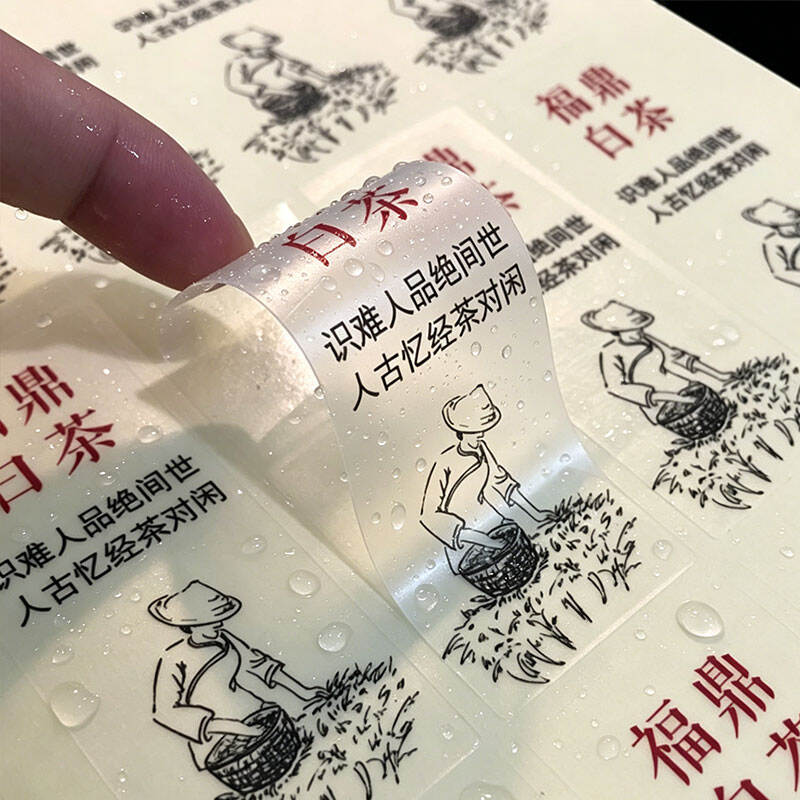
In the competitive world of modern branding, every visual detail counts. A die cut sticker is not simply a label — it is a precision-crafted brand asset that transforms ordinary surfaces into powerful communication tools. Unlike standard rectangular or square stickers, the die cut format follows the exact contour of your artwork, eliminating blank borders and allowing the design itself to command full visual attention. This fundamental difference is what makes the die cut sticker a preferred choice among brand managers, product designers, and marketing professionals seeking maximum visual impact.
Understanding how the design mechanics of a die cut sticker enhance branding requires looking beyond aesthetics alone. It involves examining how shape, finish, material, and placement work together to reinforce brand identity, improve product presentation, and create memorable consumer experiences. From premium packaging to retail merchandise, the strategic use of a well-designed die cut sticker can elevate perceived value and strengthen brand recognition across every touchpoint.
The Role of Custom Shape in Visual Storytelling
How Shape Removes Visual Noise
A standard sticker carries visible white or transparent margins that dilute the visual strength of the artwork. A die cut sticker eliminates this problem entirely by being cut precisely to the shape of the design itself. When a logo, character, or product illustration is trimmed to its exact outline, the shape becomes an extension of the brand message. There are no borders competing for attention, and the graphic reads instantly and cleanly on any surface.
This silhouette effect is particularly powerful for brands with distinctive logo shapes — a leaf, a lightning bolt, a custom wordmark with decorative lettering. The die cut sticker turns that shape into a recognizable brand symbol in its own right. Over time, consumers begin to associate the shape itself with the brand, even before reading the text or recognizing the color palette. This is the foundation of strong visual identity.
In packaging applications, shape-cut labels draw the eye immediately because they break the uniformity of flat box surfaces. A die cut sticker applied to a kraft paper mailer, a cosmetic jar, or a glass bottle creates an immediate focal point. The shape tells the viewer where to look, and the design then delivers the brand story. This layered communication is far more effective than a rectangular label that blends into its surroundings.
Shape as a Brand Differentiator
In a retail or e-commerce environment where products compete for attention in fractions of a second, the silhouette of a die cut sticker serves as an immediate differentiator. Brands that invest in custom-shaped stickers signal a higher level of design attention and product care. This perception directly influences purchase decisions and unboxing experiences, both of which are critical moments in modern consumer behavior.
The shape can also be used strategically to reflect the brand personality. A rounded, organic shape suggests approachability and natural values. A geometric, sharp-edged die cut sticker conveys precision and modernity. A playful irregular shape signals creativity and energy. These shape-based signals work subconsciously, reinforcing the overall brand message without requiring a single word of copy.
Material and Finish Options That Amplify Impact
Metallic and Foil Finishes for Premium Branding
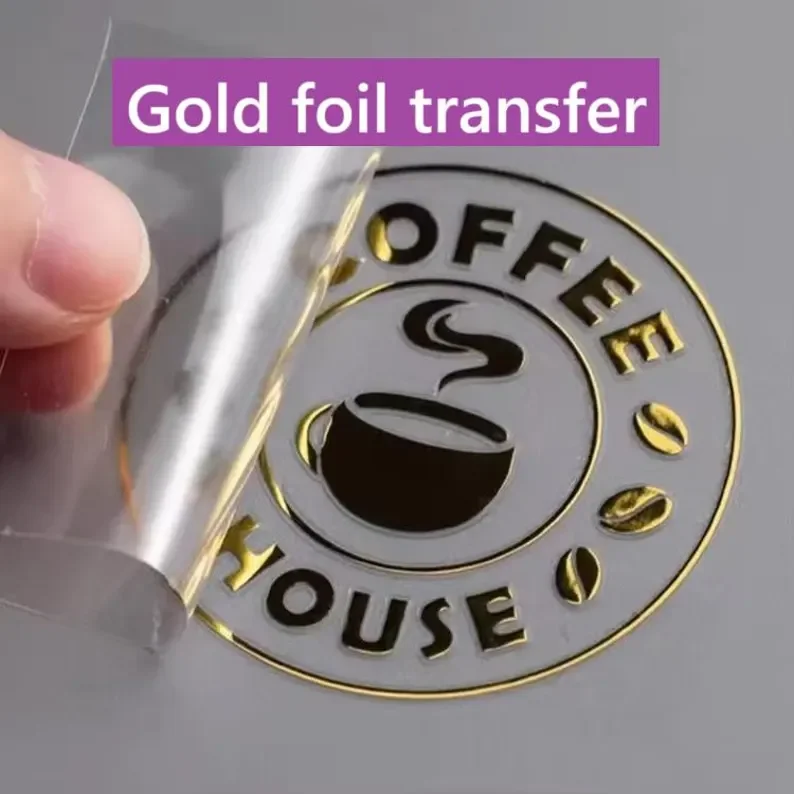
The visual impact of a die cut sticker is not determined by shape alone — the material and finish play an equally important role. Metallic finishes, hot foil treatments, and UV transfer coatings add a dimensional quality to the sticker that flat printing simply cannot achieve. When light catches a metallic die cut sticker at different angles, the reflective surface creates a dynamic visual effect that feels premium and high-end.
For luxury brands, cosmetic lines, spirits companies, and high-end consumer goods, a metallic die cut sticker communicates quality before the product is even opened. Gold and silver foil variants are particularly effective on dark packaging, where the contrast between the foil and the substrate creates a striking visual tension. This combination of shape precision and metallic finish elevates the die cut sticker from a functional label to a design feature in its own right.
UV transfer and gloss spot treatments add another layer of tactile and visual richness. When certain elements of the die cut sticker — such as a logo or key text — are treated with UV gloss while the rest remains matte, the result is a subtle but sophisticated contrast that rewards close inspection. This technique is widely used in premium packaging, event branding, and limited-edition product releases where the packaging itself is part of the brand experience.
Durable Materials for Long-Term Brand Presence
A die cut sticker used in outdoor or product-facing applications must maintain its visual integrity over time. Vinyl-based die cut sticker materials offer strong resistance to moisture, UV exposure, and surface abrasion, ensuring that the branding remains crisp and vibrant even after prolonged use. This durability is critical for product labels that face handling, shipping, and retail display conditions.
For branded merchandise, promotional items, and equipment labeling, a die cut sticker that degrades quickly undermines brand credibility. Investing in high-quality materials ensures the sticker continues to serve as a positive brand ambassador throughout its lifecycle. The combination of custom shape, premium finish, and durable substrate makes the die cut sticker one of the most cost-effective branding tools available across a wide range of applications.
Application Scenarios Where Die Cut Stickers Deliver Maximum Branding Value
Packaging and Product Labeling
Product packaging is one of the most impactful environments for a die cut sticker. When applied to boxes, pouches, bottles, or tubes, a precisely shaped label transforms the packaging into a branded experience. Rather than using a pre-printed box with a fixed design, brands can use a die cut sticker to add branding flexibility — applying the same core packaging material across multiple product lines with only the sticker changing.
This approach is particularly valuable for small to medium-sized businesses that need to manage packaging costs while maintaining strong brand presentation. A versatile die cut sticker allows for seasonal designs, limited editions, and co-branded versions without requiring entirely new packaging tooling. The sticker becomes the variable element that personalizes an otherwise standard container.
From a retail shelf perspective, the die cut sticker creates a visual cue that guides consumer attention. When multiple competing products are displayed side by side, a uniquely shaped sticker with a metallic or UV finish stands out immediately. This shelf visibility is a tangible commercial advantage that translates directly into sales performance.
Corporate Branding and Promotional Materials
Beyond physical products, a die cut sticker is a highly effective tool in corporate branding programs. Applied to laptops, notebooks, equipment cases, and branded giveaways, a precision-cut sticker reinforces brand identity in everyday environments. When employees and customers use branded items in public settings, the die cut sticker effectively becomes a mobile advertisement.
Event marketing teams frequently use the die cut sticker as a tactile brand touchpoint. Distributing well-designed, high-quality stickers at trade shows, conferences, and product launches creates a lasting brand impression that outlasts the event itself. Recipients who display the sticker on personal items become voluntary brand advocates, extending the reach of the marketing message organically.
For direct mail and e-commerce fulfillment, inserting a branded die cut sticker into orders adds a premium unboxing element that customers notice and remember. This small detail has a measurable effect on customer satisfaction, social media sharing, and repeat purchase rates. The die cut sticker in this context functions not just as branding but as a customer experience tool.
Design Principles That Maximize the Visual Effectiveness of a Die Cut Sticker
Artwork Preparation and Bleed Zones
The visual quality of a die cut sticker begins with proper artwork preparation. Designers must work with vector-based files to ensure clean, scalable cut paths that follow the intended silhouette precisely. Raster-based artwork with low resolution will produce stickers that appear blurry or pixelated, undermining the precision that makes the die cut sticker format effective.
Establishing correct bleed zones is essential for preventing white edges from appearing after cutting. The artwork must extend slightly beyond the cut line so that any minor mechanical variation during cutting does not expose the sticker substrate. Experienced designers working with die cut sticker production understand that bleed, safe zone, and cut path are three distinct elements that must each be correctly prepared to achieve a flawless final result.
Color management is equally important. Colors that appear vibrant on screen must be properly converted to CMYK or Pantone references to ensure accurate printing. For metallic die cut sticker variants, understanding how gold, silver, and iridescent foils interact with the printed colors beneath them requires technical knowledge that goes beyond standard print production. Getting these details right is what separates a professional-quality die cut sticker from an amateur result.
Simplicity and Brand Clarity in Shape Design
While the die cut sticker format offers creative freedom in shape selection, restraint in design is a virtue. Overly complex cut paths with many fine points or intricate details can be difficult to cut cleanly and may result in fragile sticker edges that tear during application. The most effective die cut sticker designs use bold, confident shapes that cut cleanly and read clearly at small sizes.
Brand clarity should always guide shape decisions. The cut path should enhance the legibility and recognizability of the brand mark, not compete with it. A die cut sticker that traces a logo precisely will almost always outperform one that uses a decorative shape unrelated to the brand identity. When shape, design, and brand message align seamlessly, the result is a sticker that communicates instantly and memorably.
FAQ
What makes a die cut sticker different from a standard label?
A die cut sticker is cut to the exact shape of the design, while a standard label retains a rectangular or square border around the artwork. This means the die cut sticker has no visible margins or blank edges — the shape itself is defined by the artwork. This gives the die cut sticker a more refined, professional appearance and stronger visual impact in branding applications.
What surfaces can a die cut sticker be applied to?
A die cut sticker can be applied to a wide range of smooth and semi-smooth surfaces, including cardboard packaging, glass bottles, plastic containers, metal tins, polished wood, laptops, and notebooks. The adhesion quality depends on the sticker material and the surface texture. For best results, surfaces should be clean, dry, and free from dust or oils before application.
How do metallic finishes affect the branding performance of a die cut sticker?
Metallic finishes such as hot foil, UV transfer, and metallic laminate significantly elevate the perceived premium quality of a die cut sticker. The reflective surface creates dynamic visual effects as lighting conditions change, which draws the eye and creates a memorable impression. For luxury goods, high-end packaging, and premium brand campaigns, a metallic die cut sticker reinforces the quality signals that the brand wants to project.
Is a die cut sticker suitable for outdoor or long-term use?
Yes, when produced with vinyl or weather-resistant substrates, a die cut sticker performs well in outdoor and long-term use scenarios. High-quality vinyl die cut sticker materials are resistant to UV fading, moisture, and surface abrasion, making them suitable for product labels, equipment branding, vehicle decals, and outdoor promotional applications. The durability of the material should always be matched to the intended use environment.