
 EN
EN


Modern packaging solutions demand adaptability, cost efficiency, and brand differentiation in an increasingly competitive marketplace. Custom stickers have emerged as a strategic tool that enables businesses to transform rigid packaging systems into flexible, responsive frameworks capable of meeting diverse product lines, seasonal campaigns, and market-specific requirements. By integrating custom stickers into packaging workflows, companies gain the ability to modify branding elements, comply with regulatory variations, and personalize customer experiences without the need for complete packaging redesigns or substantial inventory investments. This flexibility addresses one of the most persistent challenges in supply chain management: balancing standardization with customization while maintaining operational efficiency and cost control.
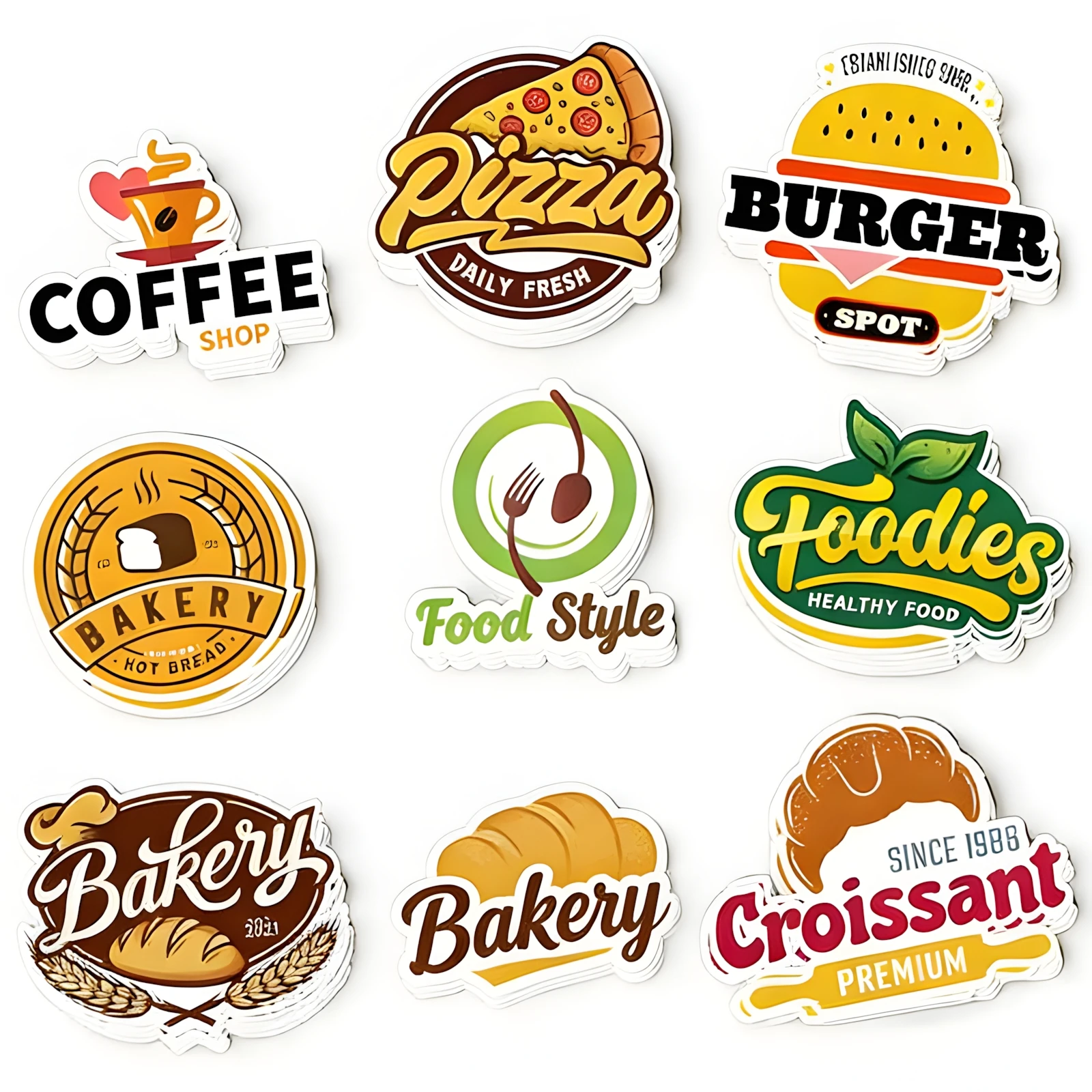
The mechanism through which custom stickers enhance packaging flexibility extends beyond simple decoration. These adhesive solutions function as modular information carriers and visual identifiers that can be applied, updated, or replaced across standardized base packaging, creating what industry professionals term variable packaging systems. Whether addressing multi-regional distribution requirements, limited-edition product launches, or just-in-time labeling needs, custom stickers provide manufacturers and brand owners with tactical responsiveness that traditional printed packaging cannot match. Understanding how these solutions unlock operational and creative flexibility requires examining their role across production workflows, inventory management, brand adaptation strategies, and customer engagement initiatives.
Reducing Inventory Complexity Through Standardized Base Packaging
Minimizing SKU Proliferation with Universal Containers
One of the primary ways custom stickers improve packaging flexibility is by enabling businesses to maintain a single standardized base package across multiple product variations. Rather than manufacturing distinct packaging designs for each product variant, flavor, or regional market, companies can produce neutral or minimally branded containers and apply custom stickers to differentiate individual SKUs. This approach dramatically reduces the complexity of packaging inventory management, as warehouses stock fewer unique packaging components while maintaining the ability to support diverse product portfolios. The cost savings associated with consolidated packaging orders, reduced minimum order quantities, and simplified logistics workflows can be substantial, particularly for businesses managing extensive product catalogs or seasonal variations.
The strategic advantage of this model becomes particularly evident when launching new products or testing market concepts. Custom stickers allow brands to introduce limited runs or experimental product lines without committing to expensive dedicated packaging production. If a product underperforms, the financial exposure is limited to the sticker inventory rather than thousands of unusable printed packages. Conversely, successful products can be scaled rapidly by simply increasing sticker production while continuing to use existing base packaging stocks. This risk mitigation capability fundamentally changes how product development teams approach market testing and innovation cycles.
Enabling Real-Time Packaging Adaptation
Custom stickers provide the operational flexibility to adapt packaging at the point of final assembly or even at distribution centers, rather than requiring decisions to be locked in during upstream manufacturing processes. This just-in-time customization capability is particularly valuable in industries where promotional campaigns, regulatory requirements, or market conditions change rapidly. A beverage company, for example, can apply region-specific custom stickers to identical bottles as they are allocated to different distribution territories, ensuring compliance with local labeling laws without maintaining separate packaging inventories for each jurisdiction. Similarly, cosmetics brands frequently use custom stickers to update ingredient disclosures, add promotional messaging, or incorporate QR codes linking to digital content without reprinting entire packaging runs.
The speed advantage inherent in sticker-based flexibility cannot be overstated. While traditional packaging modifications require lead times measured in weeks or months to accommodate design, proofing, plate production, and printing schedules, custom stickers can often be designed, produced, and applied within days. This responsiveness enables marketing teams to capitalize on trending topics, respond to competitive moves, or align packaging with time-sensitive campaigns in ways that rigid packaging systems simply cannot support. The ability to make tactical adjustments without disrupting production schedules or accumulating obsolete inventory represents a significant operational advantage in dynamic market environments.
Facilitating Brand Differentiation and Personalization Strategies
Creating Limited Editions Without Production Constraints
Custom stickers unlock creative possibilities for limited-edition packaging that would be economically prohibitive using traditional printing methods. Brands can develop seasonal designs, commemorate special events, or collaborate with artists and influencers by producing specialized stickers in relatively small quantities while applying them to standard base packaging. This approach democratizes premium packaging aesthetics, making elaborate designs accessible to businesses that lack the volume or budget to justify custom print runs. The craft beverage industry has particularly embraced this model, with breweries and distilleries using custom stickers to create collectible bottle designs that build brand loyalty and generate social media engagement without the capital requirements of multiple packaging formats.
The personalization capabilities enabled by custom stickers extend to individual customer experiences as well. E-commerce businesses increasingly use variable data printing technology to create personalized stickers featuring customer names, custom messages, or purchase-specific information that transforms generic packaging into memorable unboxing experiences. This level of individualization would be impossible with pre-printed packaging but becomes economically viable when applied through sticker solutions. The emotional impact of receiving a product with personalized packaging elements can significantly enhance customer satisfaction and brand perception, driving repeat purchases and organic word-of-mouth promotion.
Supporting Multi-Brand and Private Label Operations
Manufacturers serving multiple brands or producing private label products benefit enormously from the flexibility custom stickers provide in brand differentiation. A single production facility can manufacture a core product using identical formulations and base packaging, then apply brand-specific custom stickers to create distinct market offerings for different clients or distribution channels. This operational model maximizes production efficiency while maintaining clear brand separation in the marketplace. Contract manufacturers particularly value this capability, as it allows them to serve diverse clients without maintaining separate packaging inventories or reconfiguring production lines between runs.
The speed with which brand identities can be switched using custom stickers also facilitates agile business models. Companies can test multiple brand positions simultaneously, evaluate market response, and adjust their portfolio strategy based on performance data without the sunk costs associated with committed packaging investments. This experimental flexibility is especially valuable in emerging product categories where optimal brand positioning remains uncertain. The ability to iterate quickly and affordably through sticker-based branding enables more sophisticated market testing and accelerates the path to product-market fit.
Streamlining Regulatory Compliance and Information Updates
Addressing Multi-Jurisdictional Labeling Requirements
Global distribution creates complex regulatory challenges as different markets impose varying requirements for ingredient disclosures, warning labels, recycling symbols, and language specifications. Custom stickers provide an elegant solution by enabling companies to maintain a single base package design while applying jurisdiction-specific information overlays as products are allocated to different markets. This approach ensures compliance without fragmenting production runs or maintaining region-specific packaging inventories. Food and beverage manufacturers exporting across international borders routinely leverage custom stickers to add translated nutritional information, allergen warnings, or country-of-origin declarations required by importing jurisdictions.
The regulatory flexibility offered by custom stickers extends beyond geographic variations to accommodate evolving standards within individual markets. When regulatory agencies update labeling requirements, companies using sticker-based information systems can implement changes immediately by producing updated stickers rather than waiting to deplete existing packaging stocks or writing off non-compliant inventory. This responsiveness reduces both compliance risk and the economic impact of regulatory changes. Industries facing frequent regulatory updates, such as dietary supplements, cosmetics, and chemical products, particularly benefit from the adaptive capability that custom stickers provide in maintaining continuous compliance while minimizing waste.
Managing Product Information Lifecycle
Product formulations, specifications, and associated information frequently change throughout a product's lifecycle due to ingredient sourcing variations, improved formulations, or updated safety data. Custom stickers enable manufacturers to keep packaging information current without discarding otherwise functional base packaging. When a cosmetic formulation changes slightly, for example, the manufacturer can update the ingredient list on custom stickers while continuing to use existing containers, caps, and primary packaging elements. This capability substantially reduces the environmental and economic waste associated with packaging obsolescence.
The information management flexibility extends to promotional and instructional content as well. Brands can add QR codes linking to updated usage instructions, sustainability information, or digital engagement opportunities by applying custom stickers to existing packaging without redesigning the entire package. As consumer expectations for transparency and digital connectivity increase, this ability to augment static packaging with dynamic information access points becomes increasingly valuable. Custom stickers effectively transform packaging from a fixed communication medium into an adaptable information platform that can evolve alongside product development and marketing strategies.
Optimizing Production Economics and Supply Chain Efficiency
Reducing Minimum Order Quantities and Lead Times
Traditional packaging printing typically requires substantial minimum order quantities to achieve acceptable unit economics, forcing businesses to commit to large inventory positions that tie up capital and create obsolescence risk. Custom stickers, by contrast, can be produced economically in much smaller quantities, particularly when using digital printing technologies. This lower production threshold enables businesses to maintain leaner packaging inventories while retaining the flexibility to respond to demand variations or market opportunities. Startup brands and small-batch producers particularly benefit from this accessibility, as custom stickers allow them to achieve professional packaging aesthetics without the capital requirements that would otherwise create barriers to market entry.
The compressed lead times associated with custom stickers production further enhance supply chain responsiveness. While conventional packaging printing may require several weeks from order placement to delivery, custom stickers can often be designed, proofed, and produced within days, especially for rush orders or digital printing applications. This time compression enables businesses to operate with reduced safety stock, respond more quickly to unexpected demand surges, and align packaging more closely with just-in-time manufacturing philosophies. The cumulative effect of lower minimums and faster turnaround is a more agile, capital-efficient supply chain that can adapt to market conditions with minimal friction.
Facilitating Distributed Manufacturing and Assembly
Custom stickers enable distributed manufacturing models where final product assembly and packaging occur closer to end markets rather than at centralized facilities. By shipping base packaging and product components to regional assembly points and applying locally-produced custom stickers, businesses can reduce transportation costs, respond more quickly to regional demand patterns, and customize offerings for local preferences. This distributed model is particularly advantageous for products with high shipping costs relative to value, as it allows the bulk movement of standardized components while deferring final customization until products approach their destination markets.
The flexibility to apply custom stickers at various points in the supply chain also supports co-packing and contract manufacturing relationships. Brands can provide standardized products to third-party packagers who apply brand-specific stickers as part of the final packaging process, enabling the brand owner to leverage external production capacity without sacrificing brand control or visual consistency. This operational model has become increasingly common in industries such as craft beverages, specialty foods, and personal care products, where entrepreneurs and emerging brands lack their own production facilities but require distinctive packaging to compete effectively in crowded marketplaces.
Enhancing Customer Experience and Engagement Touchpoints
Creating Interactive and Experiential Packaging
Custom stickers enable brands to transform packaging from a passive container into an interactive customer engagement platform. Specialty finishes such as holographic effects, scratch-off panels, thermochromic inks that change color with temperature, or textured surfaces that enhance tactile experience can be incorporated into custom stickers at a fraction of the cost required for specialty printing across entire packaging structures. These experiential elements create memorable unboxing moments that enhance perceived product value and generate social media sharing opportunities. Brands targeting younger, digitally-connected demographics particularly leverage these capabilities to differentiate their products in environments where consumers encounter dozens of competing options.
The modular nature of custom stickers also facilitates gamification and collectibility strategies that build ongoing customer engagement. Beverage brands have successfully created collectible sticker series where each product variant features different designs, encouraging consumers to purchase multiple items to complete sets. Similarly, children's products often incorporate custom stickers as interactive play elements that extend the product experience beyond the initial purchase. These engagement strategies would be difficult or impossible to implement using fixed packaging designs but become straightforward when leveraging the flexibility and variability that custom stickers provide.
Supporting Omnichannel Retail Strategies
Modern retail environments span physical stores, e-commerce platforms, subscription boxes, and direct-to-consumer channels, each with distinct packaging requirements and customer expectations. Custom stickers enable brands to maintain core packaging consistency while adapting to channel-specific needs. A skincare brand might use identical jars across all channels but apply different custom stickers for retail shelf presence versus subscription box presentation versus influencer collaboration editions. This channel flexibility ensures optimal packaging performance in each environment without fragmenting production or inventory systems.
The ability to use custom stickers to bridge digital and physical experiences has become particularly valuable as QR codes and augmented reality integration become mainstream consumer expectations. Brands can incorporate digitally-enabled custom stickers that link to authentication systems, provide access to exclusive content, or unlock loyalty program benefits, creating seamless connections between physical products and digital brand ecosystems. This integration capability allows packaging to function as a strategic touchpoint in comprehensive customer journey mapping rather than simply as a protective container, fundamentally expanding the role packaging plays in overall brand strategy.
FAQ
Can custom stickers maintain durability comparable to directly printed packaging?
Modern custom stickers utilize advanced adhesive technologies and protective coatings that deliver durability performance matching or exceeding many direct printing methods. Laminated custom stickers with UV protection resist fading, moisture, and abrasion effectively, making them suitable for products exposed to refrigeration, outdoor conditions, or frequent handling. Material selection is critical, with options including vinyl for maximum durability, synthetic papers for moderate protection, and specialty materials for specific environmental challenges. When properly specified for the application environment, custom stickers provide reliable long-term performance without the aesthetic degradation often associated with lower-quality labels.
How do custom stickers compare economically to traditional packaging printing for small production runs?
For production quantities below several thousand units, custom stickers typically offer substantial cost advantages over traditional packaging printing methods. The elimination of plate-making costs, reduced setup requirements, and compatibility with digital printing technologies make custom stickers economically viable at quantities where conventional printing becomes prohibitively expensive on a per-unit basis. The total cost calculation should also consider inventory holding costs, obsolescence risk, and the value of flexibility, all of which favor custom stickers for businesses with diverse product lines, frequent design changes, or uncertain demand forecasts. The economic crossover point varies by application, but custom stickers generally provide superior economics for runs under 5,000 units.
What design considerations are most important when developing custom stickers for packaging flexibility?
Effective custom stickers for flexible packaging systems require careful attention to application surface compatibility, adhesive selection for the intended environment, and design elements that complement rather than compete with base packaging aesthetics. Die-cut shapes that follow product contours or brand elements create more sophisticated appearances than simple rectangular formats. Color management ensuring consistency across production batches maintains brand integrity when stickers are applied to standardized packaging over extended periods. Additionally, designing with adequate bleed areas, avoiding critical information near cut edges, and specifying appropriate material thickness for the application method ensures reliable production quality and application performance across different production environments.
How quickly can custom stickers be produced and integrated into existing packaging workflows?
Digital printing technologies enable custom stickers production in timeframes as short as 24 to 48 hours for rush orders, though standard lead times of 5 to 10 business days are more typical for most applications. This production speed significantly exceeds traditional packaging printing timelines and allows for rapid response to market opportunities or urgent needs. Integration into existing workflows is generally straightforward, as custom stickers can be applied manually for small volumes or through automated labeling equipment for higher production rates. Most packaging lines can incorporate sticker application with minimal modification, and the learning curve for operators is typically measured in hours rather than days, making custom stickers one of the most accessible packaging flexibility tools available to businesses of all sizes.
Table of Contents
- Reducing Inventory Complexity Through Standardized Base Packaging
- Facilitating Brand Differentiation and Personalization Strategies
- Streamlining Regulatory Compliance and Information Updates
- Optimizing Production Economics and Supply Chain Efficiency
- Enhancing Customer Experience and Engagement Touchpoints
-
FAQ
- Can custom stickers maintain durability comparable to directly printed packaging?
- How do custom stickers compare economically to traditional packaging printing for small production runs?
- What design considerations are most important when developing custom stickers for packaging flexibility?
- How quickly can custom stickers be produced and integrated into existing packaging workflows?