
 EN
EN


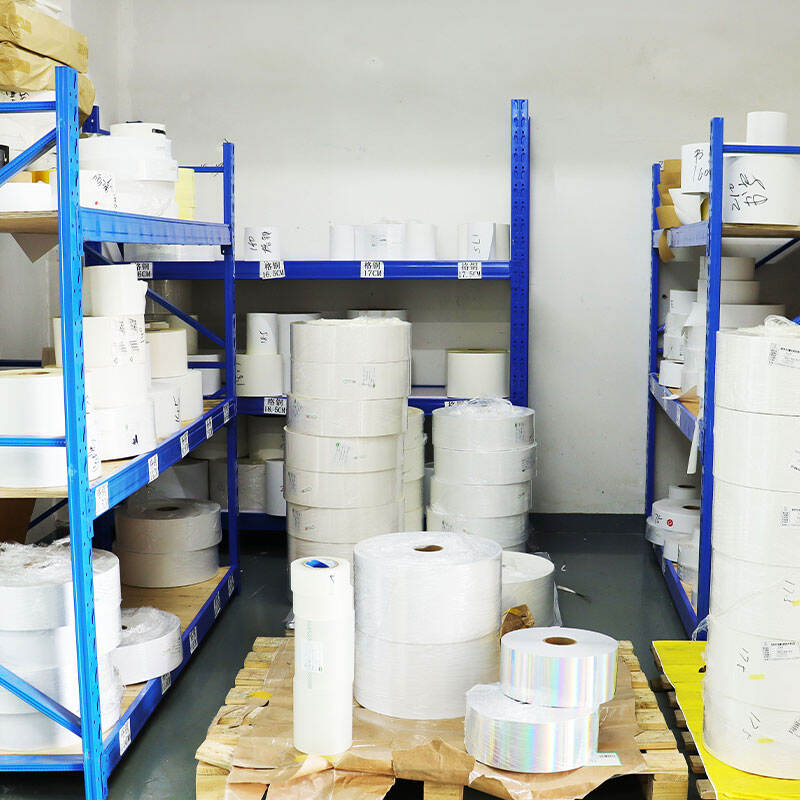
Understanding how a custom logo sticker adapts to various surface materials is critical for businesses seeking reliable branding solutions across diverse applications. The performance of a custom logo sticker depends on a complex interaction between adhesive chemistry, substrate characteristics, and environmental conditions. Unlike generic labels, professionally engineered custom logo stickers are designed with specific adhesive formulations and material constructions that enable them to bond effectively with surfaces ranging from smooth plastics to textured metals, porous cardboard, and even challenging low-surface-energy substrates. This adaptability stems from deliberate material selection, adhesive science, and surface preparation protocols that account for the physical and chemical properties of target materials.
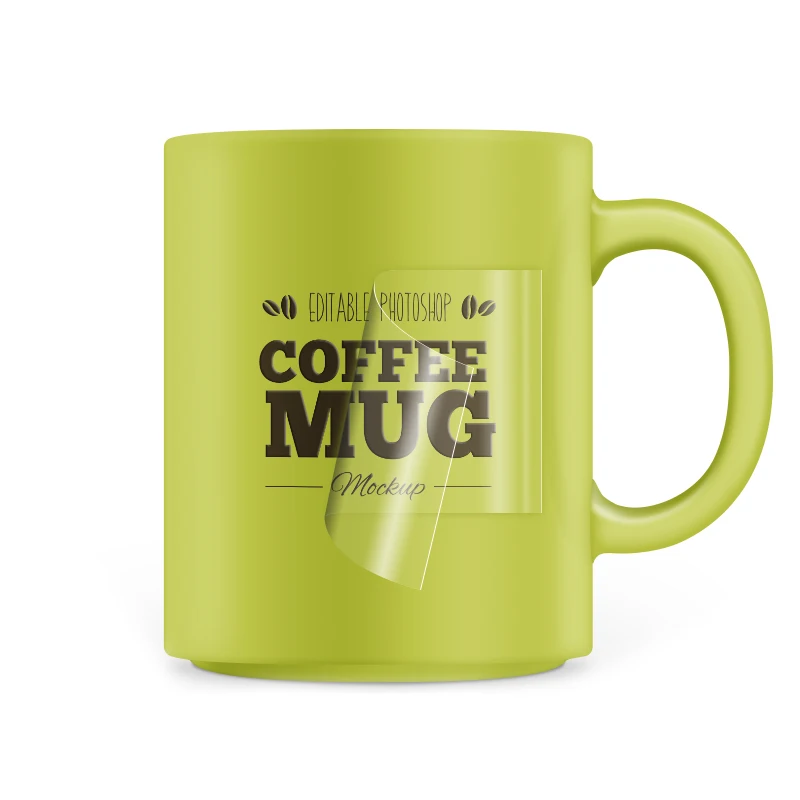
The mechanism through which a custom logo sticker achieves surface compatibility involves adhesive systems engineered to accommodate varying levels of surface energy, texture profiles, porosity, and chemical composition. High-quality custom logo sticker products utilize pressure-sensitive adhesives that form molecular bonds with substrate surfaces through mechanical interlocking and chemical attraction forces. The backing material, whether vinyl, polyester, or specialty films, contributes structural stability and conformability that allow the sticker to follow contours and surface irregularities without delaminating or losing adhesion over time. By examining the scientific principles and practical considerations governing sticker-to-surface interaction, businesses can make informed decisions about material selection, application techniques, and expected performance across their specific use environments.
Adhesive Chemistry and Surface Energy Compatibility
Understanding Surface Energy Fundamentals in Sticker Adhesion
Surface energy represents a critical factor determining how effectively a custom logo sticker adheres to different materials. High surface energy substrates such as glass, metals, and untreated plastics provide abundant polar sites for adhesive bonding, enabling robust mechanical and chemical interlocking. The custom logo sticker adhesive formulation must be engineered to match or exceed the surface energy threshold of the target material to achieve reliable wetting and bonding. When a sticker is applied to a high-energy surface, the adhesive flows into microscopic surface irregularities, creating mechanical anchoring points that resist peeling and shear forces during use.
Low surface energy materials present greater challenges for custom logo sticker adhesion. Substrates like polyethylene, polypropylene, silicone, and powder-coated surfaces exhibit minimal chemical reactivity and limited polar bonding sites. Specialty adhesives incorporating modified acrylics or rubber-based formulations are designed specifically for these challenging substrates. These advanced adhesive systems feature lower internal cohesive strength in their initial tack phase, allowing them to wet out difficult surfaces more effectively before developing full bond strength through chemical crosslinking or solvent evaporation. The custom logo sticker manufacturer must carefully select adhesive chemistry based on the intended application surface to ensure long-term performance.
Pressure-Sensitive Adhesive Formulations for Multi-Surface Applications
Pressure-sensitive adhesives form the functional core of most custom logo sticker products, offering immediate tack upon contact without requiring heat, water, or solvent activation. These adhesive systems typically consist of elastomeric polymers blended with tackifying resins and additives that balance initial grab, peel strength, shear resistance, and removability characteristics. For multi-surface applications, a custom logo sticker may employ a general-purpose acrylic adhesive that provides good performance across a broad spectrum of materials including paper, cardboard, treated plastics, painted metals, and coated wood surfaces.
Acrylic-based pressure-sensitive adhesives offer superior UV resistance, temperature stability, and chemical resistance compared to rubber-based alternatives, making them ideal for outdoor custom logo sticker applications. These formulations maintain consistent adhesion performance across temperature extremes and resist degradation from moisture, oils, and mild solvents. The molecular structure of acrylic adhesives allows for tailoring of properties through copolymer selection and crosslinking density, enabling manufacturers to create custom logo sticker products optimized for specific surface types. Rubber-based adhesives, conversely, provide exceptional initial tack and conformability to irregular surfaces, making them suitable for textured or rough substrates where immediate bonding is critical.
Surface Preparation Requirements for Optimal Adhesion
Even the most advanced custom logo sticker adhesive formulation requires proper surface preparation to achieve maximum bonding performance. Contaminants such as dust, oils, mold release agents, plasticizers, and moisture create barrier layers that prevent molecular contact between the adhesive and substrate. Industrial applications typically require solvent wiping, detergent cleaning, or plasma treatment to remove these contaminants before custom logo sticker application. The cleaning method must be compatible with the substrate material to avoid surface damage or chemical alteration that could negatively impact adhesion.
Surface texture also influences custom logo sticker adhesion effectiveness. Extremely smooth surfaces like polished metals or glass provide maximum contact area for adhesive wetting, while rough or porous surfaces reduce effective bonding area and may trap air pockets that compromise adhesion. For porous substrates such as uncoated cardboard or raw wood, primers or sealers may be necessary to create a uniform bonding surface that prevents adhesive absorption into the substrate. Understanding these surface preparation principles enables businesses to implement application protocols that maximize custom logo sticker longevity and performance across diverse material types.
Backing Material Selection and Substrate Conformability
Vinyl Film Properties for Curved and Irregular Surfaces
Vinyl represents the most versatile backing material for custom logo sticker applications requiring conformability to curved, textured, or irregular surfaces. Calendered vinyl films exhibit excellent elongation and memory characteristics that allow them to stretch around compound curves without wrinkling or creating air bubbles. The plasticizer content in vinyl formulations determines flexibility and conformability, with higher plasticizer levels producing softer films that conform more readily to surface irregularities. Premium custom logo sticker products may utilize cast vinyl films that offer superior dimensional stability and durability compared to calendered alternatives, though at higher material cost.
The thickness of vinyl backing material directly affects custom logo sticker conformability and durability. Thinner films ranging from two to four mils conform more easily to textured surfaces and tight radii, making them ideal for application on corrugated packaging, vehicle body panels, or consumer electronics with complex geometries. Thicker vinyl films provide greater puncture resistance and dimensional stability for applications requiring long-term outdoor durability or resistance to mechanical abuse. The custom logo sticker designer must balance conformability requirements against durability needs when selecting appropriate backing material thickness for specific applications.
Polyester and Specialty Films for Rigid Surface Applications
Polyester backing materials offer superior tensile strength, chemical resistance, and temperature stability compared to vinyl, making them ideal for custom logo sticker applications on rigid, flat surfaces exposed to harsh environmental conditions. Unlike vinyl, polyester films contain no plasticizers that can migrate over time, ensuring dimensional stability and print quality retention throughout extended service life. These properties make polyester-backed custom logo sticker products particularly suitable for industrial nameplates, equipment labels, and outdoor signage applications where fade resistance and mechanical durability are paramount.
Specialty backing materials including metallic films, holographic substrates, and security laminates provide additional functionality beyond basic substrate compatibility. Metalized polyester films create premium appearance custom logo sticker products with enhanced visibility and brand impact on smooth surfaces such as glass, acrylic, or painted metals. Holographic patterns incorporate diffractive optical structures that create distinctive visual effects while maintaining adhesion performance on standard substrates. Security features including tamper-evident constructions and void patterns ensure custom logo sticker integrity on high-value products and sensitive equipment, with adhesive systems designed to fragment or leave residue patterns when removal is attempted.
Paper-Based Backing for Porous and Semi-Porous Surfaces
Paper-backed custom logo sticker products offer cost-effective solutions for applications on porous substrates including uncoated cardboard, kraft paper packaging, and wood surfaces. The natural porosity of paper backing allows for better conformability to fibrous surfaces and accommodates moisture vapor transmission that might otherwise compromise adhesion on impermeable vinyl or polyester films. Coated paper grades provide improved print quality and moisture resistance while maintaining compatibility with porous substrates, making them suitable for retail packaging, shipping labels, and product identification applications.
The primary limitation of paper-backed custom logo sticker constructions involves reduced durability and moisture resistance compared to synthetic film alternatives. Paper fibers absorb water readily, leading to dimensional changes, print degradation, and adhesive failure in humid or wet environments. For applications requiring paper aesthetics with enhanced durability, synthetic paper alternatives manufactured from oriented polypropylene or polyethylene provide the appearance and printability of paper while offering water resistance and tear strength approaching that of vinyl films. These materials expand the range of surface types suitable for custom logo sticker application while maintaining desired aesthetic and functional characteristics.
Environmental Factors Affecting Surface Adhesion Performance
Temperature Influence on Adhesive Bond Formation and Maintenance
Temperature profoundly affects both initial custom logo sticker application and long-term adhesion performance across different surface materials. Adhesive flow characteristics and wetting behavior change dramatically with temperature, with most pressure-sensitive adhesives requiring minimum application temperatures between 50 and 60 degrees Fahrenheit for proper bonding. Below these thresholds, adhesive viscosity increases, reducing flow into surface irregularities and limiting molecular contact with the substrate. Cold application can result in incomplete wetting that manifests as edge lifting, bubble formation, or premature failure under service conditions.
Service temperature exposure creates additional challenges for custom logo sticker adhesion across various materials. High temperatures accelerate adhesive flow and may cause oozing or transfer to adjacent surfaces, particularly on low-surface-energy substrates. Conversely, extreme cold can embrittle adhesive layers, reducing conformability and increasing susceptibility to shock and vibration failure. Thermal cycling between temperature extremes stresses the adhesive-substrate interface through differential expansion and contraction, potentially leading to delamination on materials with mismatched thermal expansion coefficients. Selecting custom logo sticker constructions with adhesive and backing materials matched to expected service temperature ranges ensures reliable performance across diverse environmental conditions.
Moisture and Chemical Exposure Considerations
Moisture presents multiple challenges for custom logo sticker adhesion, affecting both the adhesive-substrate interface and backing material integrity. Water infiltration beneath the sticker edge can disrupt adhesive bonding through hydrolysis reactions or physical displacement of the adhesive layer from the substrate surface. This failure mode becomes particularly problematic on metal surfaces where moisture-induced corrosion creates oxide layers that further compromise adhesion. Custom logo sticker designs incorporating edge sealing, continuous adhesive coverage, and water-resistant backing materials mitigate moisture-related failure mechanisms on susceptible substrates.
Chemical resistance requirements vary dramatically based on application environment and substrate material. Industrial equipment labels may encounter exposure to hydraulic fluids, cleaning solvents, fuels, and process chemicals that can degrade adhesives or attack backing materials. Custom logo sticker constructions for these demanding applications utilize chemically resistant adhesive formulations and backing films such as polyester or vinyl with appropriate plasticizer systems that resist extraction and swelling. Understanding the specific chemical exposure profile of the application environment enables selection of custom logo sticker materials with appropriate resistance characteristics for reliable long-term performance on the target substrate.
UV Degradation and Outdoor Weathering Effects
Ultraviolet radiation exposure represents a primary degradation mechanism for outdoor custom logo sticker applications across all surface types. UV energy breaks down polymer chains in both adhesives and backing materials, leading to discoloration, embrittlement, and eventual adhesion failure. Unprotected acrylic and rubber-based adhesives gradually lose cohesive strength under UV exposure, resulting in residue transfer to the substrate or complete adhesive failure. Custom logo sticker products intended for outdoor use incorporate UV-stabilized adhesive formulations and backing materials with added absorbers or hindered amine light stabilizers that extend service life to five years or more on exposed surfaces.
The substrate material itself influences custom logo sticker weathering performance through thermal conductivity and expansion characteristics. Dark-colored metal surfaces absorb solar radiation and reach significantly higher temperatures than light-colored plastics or painted surfaces, accelerating adhesive degradation and increasing thermal stress at the bond interface. Custom logo sticker selections for high-temperature outdoor applications require adhesives with elevated service temperature ratings and backing materials with low thermal expansion coefficients that minimize stress generation during thermal cycling. Proper material matching between the sticker construction and substrate characteristics ensures consistent appearance and adhesion performance throughout the intended service life.
Application Techniques for Different Surface Categories
Smooth Non-Porous Surface Application Methods
Applying custom logo sticker products to smooth non-porous surfaces such as glass, polished metals, and glossy plastics requires attention to air displacement and proper pressure application. The wet application method, utilizing a mild soap solution or application fluid, allows repositioning during placement and facilitates air bubble removal through squeegee action. This technique proves particularly valuable for large-format custom logo sticker installations where precise alignment is critical. The application fluid temporarily reduces adhesive tack, providing working time for positioning before the adhesive develops full bond strength as the fluid evaporates or is absorbed.
Dry application methods work effectively for smaller custom logo sticker products on smooth surfaces when precise initial placement can be achieved. The hinge method, using masking tape to create a temporary pivot point, enables accurate positioning before committing the adhesive to the substrate. Progressive application from one edge while applying firm squeegee pressure displaces air ahead of the bonding front, preventing bubble formation. For premium results on critical surfaces, application temperature control and substrate cleaning with isopropyl alcohol or specialty cleaners ensures maximum custom logo sticker adhesion and appearance quality on smooth non-porous materials.
Textured and Irregular Surface Bonding Strategies
Textured surfaces including powder-coated metals, grained plastics, and patterned composites demand custom logo sticker constructions with aggressive adhesives and conformable backing materials. The adhesive must flow into surface depressions to achieve sufficient contact area for reliable bonding, requiring higher initial tack and extended wet-out time compared to smooth surface applications. Firm application pressure using a roller or squeegee forces the custom logo sticker to conform to surface irregularities, maximizing adhesive contact and minimizing air entrapment in texture valleys.
Heat application techniques significantly improve custom logo sticker conformability on textured and curved surfaces. Gentle warming with a heat gun or hair dryer softens vinyl backing materials, reducing stiffness and allowing the film to stretch around complex geometries without wrinkling. The elevated temperature also reduces adhesive viscosity, improving flow into surface texture and accelerating bond strength development. Care must be taken to avoid overheating, which can cause adhesive oozing, dimensional distortion, or backing material damage. Understanding proper heat application techniques enables successful custom logo sticker installation on challenging textured substrates that would otherwise resist conventional application methods.
Porous Surface Preparation and Bonding Protocols
Porous substrates including raw wood, uncoated cardboard, and cementitious materials absorb adhesive away from the bonding interface, potentially compromising custom logo sticker adhesion. Surface sealing with primers, varnishes, or penetrating sealers creates a continuous bonding surface that prevents adhesive loss into the substrate. These preparation steps add process complexity and cost but prove essential for achieving reliable adhesion on highly porous materials. The sealer must be compatible with both the substrate and the custom logo sticker adhesive to avoid chemical incompatibility or poor intercoat adhesion.
Alternative approaches for porous surfaces include custom logo sticker constructions with higher adhesive coat weights that provide sufficient material to fill surface voids while maintaining adequate residual adhesive at the interface for bonding. Penetrating adhesive formulations incorporating lower molecular weight polymers or solvent carriers improve absorption into porous substrates, creating mechanical interlocking within the surface structure. These specialized adhesive systems sacrifice some cohesive strength compared to standard formulations but achieve superior initial tack and wet-out performance on porous materials, expanding the range of substrates suitable for custom logo sticker application without extensive surface preparation.
FAQ
What makes a custom logo sticker suitable for both metal and plastic surfaces?
A custom logo sticker designed for both metal and plastic surfaces typically utilizes a general-purpose acrylic pressure-sensitive adhesive formulated to bond effectively across a broad range of surface energies. Metals generally present high surface energy with excellent wetting characteristics, while plastics vary widely from high-energy materials like PET to low-energy substrates like polyethylene. The adhesive chemistry must provide sufficient initial tack to wet low-energy plastics while developing adequate shear strength for metal bonding. The backing material, often calendered vinyl or polyester, provides conformability for curved metal surfaces while maintaining dimensional stability on rigid plastics. Proper surface preparation including cleaning to remove oils, dust, and contaminants ensures optimal adhesion across both material categories.
Can custom logo stickers maintain adhesion on surfaces exposed to outdoor weather conditions?
Custom logo stickers formulated specifically for outdoor use can maintain reliable adhesion on properly prepared surfaces for three to seven years depending on exposure intensity and substrate type. Outdoor-rated constructions incorporate UV-stabilized vinyl or polyester backing materials with weather-resistant inks and adhesives designed to withstand moisture, temperature extremes, and solar radiation. The adhesive system must resist plasticizer migration, oxidative degradation, and thermal cycling effects that compromise bonding over time. Substrate selection influences outdoor performance, with smooth non-porous materials like aluminum and acrylic providing superior longevity compared to porous or textured surfaces where moisture infiltration can occur. Proper edge sealing and full adhesive coverage minimize moisture intrusion that accelerates outdoor adhesion failure.
How does surface texture affect custom logo sticker application success?
Surface texture directly impacts custom logo sticker adhesion by reducing effective contact area between the adhesive and substrate. Rough or porous textures create air pockets and limit molecular bonding sites available for adhesive attachment, potentially reducing peel strength and increasing edge lifting susceptibility. Successful application on textured surfaces requires custom logo sticker constructions with conformable backing materials that can follow surface contours and aggressive adhesives with high initial tack that flows into texture valleys. Application pressure and technique become critical, with firm roller or squeegee pressure necessary to force the sticker into surface depressions. Heat application during installation softens backing materials and reduces adhesive viscosity, improving texture conformability and maximizing bonding performance on challenging substrates.
What temperature range is safe for applying custom logo stickers to different materials?
The optimal application temperature range for most custom logo sticker products falls between 60 and 80 degrees Fahrenheit for both the sticker material and substrate surface. Within this range, pressure-sensitive adhesives exhibit proper flow characteristics and wetting behavior necessary for achieving full bond strength. Application below 50 degrees Fahrenheit increases adhesive viscosity, limiting flow into surface irregularities and potentially resulting in incomplete bonding that manifests as premature failure. While many adhesives can develop full bond strength after warm-up if applied cold, initial tack and immediate handling strength will be compromised. Extremely hot surfaces above 120 degrees Fahrenheit may cause excessive adhesive flow or dimensional distortion in thermoplastic backing materials. For cold-weather applications, specialty low-temperature adhesive formulations enable reliable custom logo sticker bonding on substrates down to freezing temperatures, though handling and squeegee techniques may require modification to accommodate reduced adhesive tack.
Table of Contents
- Adhesive Chemistry and Surface Energy Compatibility
- Backing Material Selection and Substrate Conformability
- Environmental Factors Affecting Surface Adhesion Performance
- Application Techniques for Different Surface Categories
-
FAQ
- What makes a custom logo sticker suitable for both metal and plastic surfaces?
- Can custom logo stickers maintain adhesion on surfaces exposed to outdoor weather conditions?
- How does surface texture affect custom logo sticker application success?
- What temperature range is safe for applying custom logo stickers to different materials?