



Professional Packing Labels: Advanced Solutions for Efficient Logistics and Supply Chain Management

Get a Free Quote

Our representative will contact you soon.
Email
Name
Company Name
Message
0/1000

packing labels

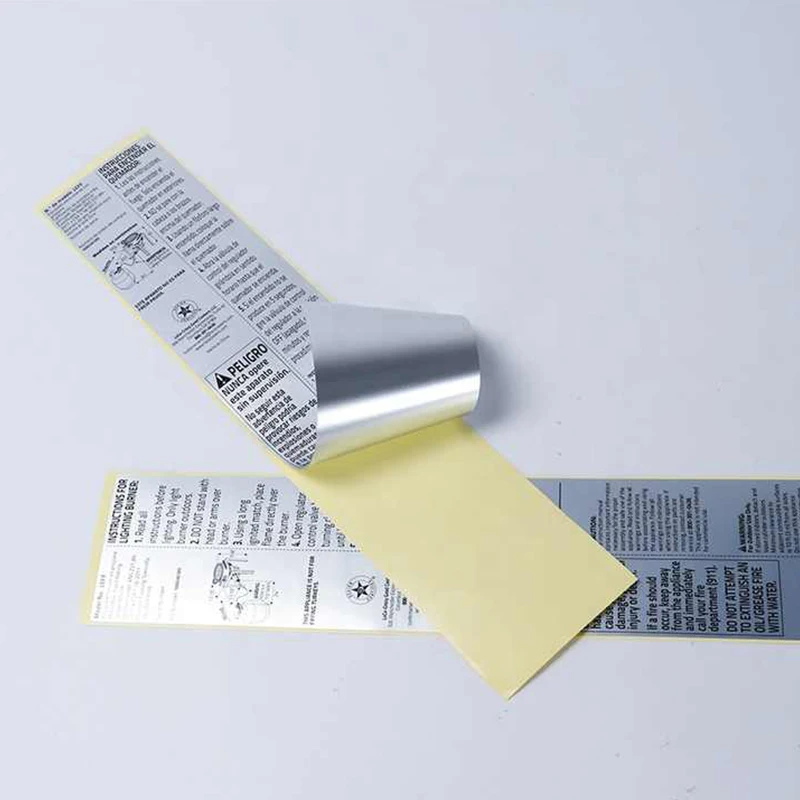
Packing labels serve as essential identification and communication tools in modern logistics and supply chain management systems. These specialized labels provide critical information about products, shipping requirements, handling instructions, and regulatory compliance data throughout the entire distribution process. Packing labels combine multiple technological features including advanced printing capabilities, durable adhesive systems, and weather-resistant materials that ensure information remains legible under various environmental conditions. The primary functions of packing labels encompass product identification through barcodes and QR codes, shipping address verification, handling instruction communication, and regulatory compliance documentation. These labels utilize cutting-edge printing technologies such as thermal transfer printing, direct thermal printing, and digital inkjet systems to produce high-quality, scannable codes and readable text. Modern packing labels incorporate sophisticated adhesive formulations that maintain strong bonding across different surface materials including cardboard, plastic, metal, and glass containers. The technological features of contemporary packing labels include moisture-resistant coatings, temperature-stable inks, tamper-evident properties, and compatibility with automated sorting equipment. Applications for packing labels span across numerous industries including e-commerce fulfillment, pharmaceutical distribution, food and beverage logistics, automotive parts management, and retail inventory control. Manufacturing facilities rely on packing labels to track production batches, monitor quality control processes, and maintain traceability records. Warehouse operations depend on these labels for efficient inventory management, accurate order picking, and streamlined shipping procedures. Distribution centers utilize packing labels to optimize routing decisions, reduce handling errors, and improve delivery accuracy rates. The integration of smart technologies in packing labels enables real-time tracking capabilities, automated data capture, and seamless integration with enterprise resource planning systems.

New Product Releases

Packing labels deliver significant operational efficiency improvements that transform how businesses manage their supply chain processes and customer communications. Organizations experience dramatic reductions in shipping errors when they implement comprehensive packing labels systems, leading to improved customer satisfaction and reduced return processing costs. These labels eliminate manual data entry requirements by providing machine-readable information that integrates seamlessly with warehouse management systems and automated sorting equipment. Businesses achieve substantial cost savings through improved inventory accuracy, reduced labor requirements, and minimized package handling errors that previously resulted in expensive re-shipping and customer service interventions. The durability features of modern packing labels ensure that critical information remains intact throughout transportation, storage, and handling processes, preventing costly delays and miscommunications. Companies benefit from enhanced regulatory compliance capabilities as packing labels can display required hazmat information, country of origin details, and industry-specific certifications that facilitate smooth customs clearance and regulatory inspections. Real-time tracking capabilities enabled by packing labels provide businesses with unprecedented visibility into their supply chain operations, allowing for proactive problem resolution and improved delivery performance metrics. Customer experience improvements result from accurate package routing, clear handling instructions, and professional appearance that reinforces brand quality perceptions. Packing labels support sustainability initiatives by enabling efficient reverse logistics processes, facilitating recycling programs, and reducing packaging waste through optimized shipping container selection. Integration benefits extend beyond basic identification as modern packing labels can trigger automated notifications, update inventory systems, and provide analytics data that drives continuous improvement initiatives. The scalability of packing labels solutions allows businesses to adapt quickly to changing volume requirements, seasonal fluctuations, and new market opportunities without significant infrastructure investments. Quality control processes become more reliable when packing labels include batch tracking information, expiration dates, and quality assurance codes that enable rapid product recalls and compliance auditing procedures.

Latest News

Get a Free Quote

Our representative will contact you soon.
Email
Name
Company Name
Message
0/1000

packing labels

Advanced Barcode and QR Code Technology

Advanced Barcode and QR Code Technology

Modern packing labels incorporate sophisticated barcode and QR code technologies that revolutionize inventory management and supply chain visibility for businesses across all industries. These advanced coding systems enable instant data capture and seamless integration with enterprise software platforms, eliminating manual data entry errors that commonly plague traditional shipping and receiving processes. The precision of contemporary barcode printing ensures consistent readability across various scanning devices and environmental conditions, providing reliable performance that businesses can depend upon for critical operations. QR codes embedded in packing labels can store extensive product information including manufacturing dates, lot numbers, destination routing, and special handling requirements within a compact, scannable format that streamlines warehouse operations. The implementation of these coding technologies reduces processing times significantly, allowing warehouse staff to scan hundreds of packages per hour while maintaining accuracy rates that exceed manual processing methods. Businesses benefit from real-time inventory updates as scanning events automatically trigger system updates that reflect current stock levels, shipping status, and location tracking information. The versatility of barcode and QR code integration supports multiple data formats including alphanumeric codes, product identifiers, shipping addresses, and custom business logic that adapts to specific operational requirements. Advanced error correction algorithms built into modern coding systems ensure that partially damaged or obscured codes remain readable, preventing costly delays and manual intervention requirements. The compatibility of these packing labels with mobile devices enables field personnel to access product information, update delivery status, and capture proof-of-delivery documentation using standard smartphones and tablets. Integration capabilities extend to customer-facing applications where QR codes on packing labels can provide tracking information, product authenticity verification, and interactive marketing content that enhances the overall customer experience while reducing support inquiries.

Weather-Resistant and Durable Construction

Weather-Resistant and Durable Construction

The exceptional durability and weather-resistant properties of professional packing labels ensure reliable performance across extreme environmental conditions that commonly occur during shipping, storage, and handling processes. These labels utilize advanced materials and adhesive technologies specifically engineered to withstand temperature fluctuations ranging from sub-zero storage facilities to high-heat transportation environments without compromising adhesion strength or print quality. Moisture resistance features protect critical shipping information from rain, humidity, and condensation that frequently occurs during ocean freight, refrigerated transport, and outdoor storage scenarios. The robust construction of packing labels prevents tearing, peeling, and degradation even when packages experience rough handling, stacking pressure, and conveyor belt abrasion throughout the distribution network. UV-resistant inks and protective coatings ensure that text and barcodes remain clearly legible despite prolonged exposure to sunlight during outdoor storage and transportation phases. Chemical resistance properties protect packing labels from exposure to cleaning solvents, industrial chemicals, and fuel vapors that commonly occur in warehouse and transportation environments. The superior adhesive formulations maintain consistent bonding across diverse surface materials including corrugated cardboard, plastic films, metal containers, and glass products regardless of surface texture or contamination levels. Testing standards for premium packing labels include accelerated aging protocols that simulate months of environmental exposure within laboratory conditions, ensuring predictable performance throughout expected service life. The tamper-evident features incorporated into specialized packing labels provide security benefits by clearly indicating any unauthorized access attempts while maintaining adhesion integrity for legitimate handling requirements. Cold storage applications benefit from specialized packing labels formulations that remain flexible and maintain adhesion strength at temperatures well below freezing, preventing label failure that could disrupt cold chain logistics operations. The longevity of weather-resistant packing labels reduces replacement costs and operational disruptions while supporting sustainability initiatives through extended service life and reduced waste generation.
Seamless Integration with Automated Systems

Seamless Integration with Automated Systems

Contemporary packing labels feature sophisticated design elements and technological specifications that enable flawless integration with automated sorting equipment, robotic handling systems, and advanced warehouse management platforms. The precise positioning and sizing specifications of these labels ensure consistent readability by high-speed barcode scanners and computer vision systems that process thousands of packages hourly in modern distribution facilities. Automated sorting systems rely on the consistent placement and high-contrast printing of packing labels to make rapid routing decisions that optimize delivery efficiency and reduce handling costs throughout the supply chain network. The compatibility of packing labels with conveyor belt systems, automated picking equipment, and robotic palletizing machinery eliminates bottlenecks that commonly occur when manual intervention becomes necessary for package identification and routing processes. Machine learning algorithms utilized in advanced sorting facilities depend on standardized packing labels formats to continuously improve recognition accuracy and processing speed while reducing misrouted shipments and delivery delays. The integration capabilities extend to inventory management systems where packing labels trigger automatic updates to stock levels, location tracking, and order fulfillment status without requiring manual data entry or verification procedures. Real-time communication between packing labels and warehouse control systems enables dynamic routing adjustments based on current facility capacity, transportation schedules, and priority delivery requirements that optimize overall operational efficiency. The standardized data formats supported by modern packing labels ensure compatibility across multiple software platforms, enabling businesses to switch between different warehouse management systems without requiring label redesign or reprinting processes. Quality control integration features allow packing labels to trigger automated inspection protocols, weight verification procedures, and dimensional checking systems that maintain shipping accuracy while reducing labor requirements. The scalability of automated integration supports rapid volume increases during peak seasons without requiring proportional increases in staffing levels or processing equipment investments. Error detection capabilities built into automated systems can identify damaged, missing, or incorrectly applied packing labels and trigger appropriate corrective actions that maintain processing flow and delivery performance standards while minimizing operational disruptions.

Get a Free Quote

Our representative will contact you soon.
Email
Name
Company Name
Message
0/1000