

Professional Private Label Packaging Services - Custom Brand Solutions & Manufacturing

Get a Free Quote

Our representative will contact you soon.
Email
Name
Company Name
Message
0/1000

private label packaging

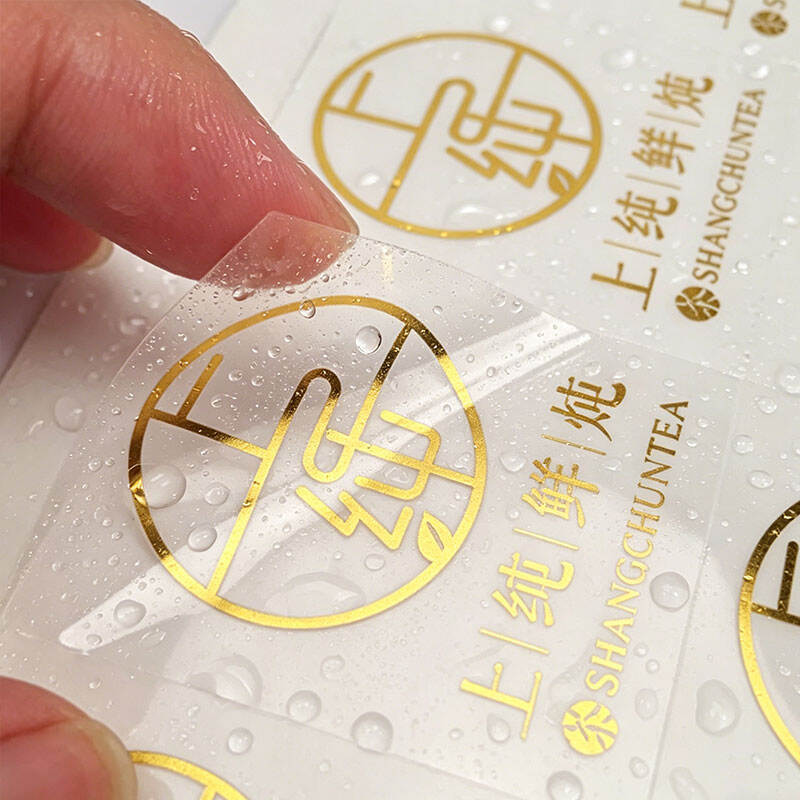
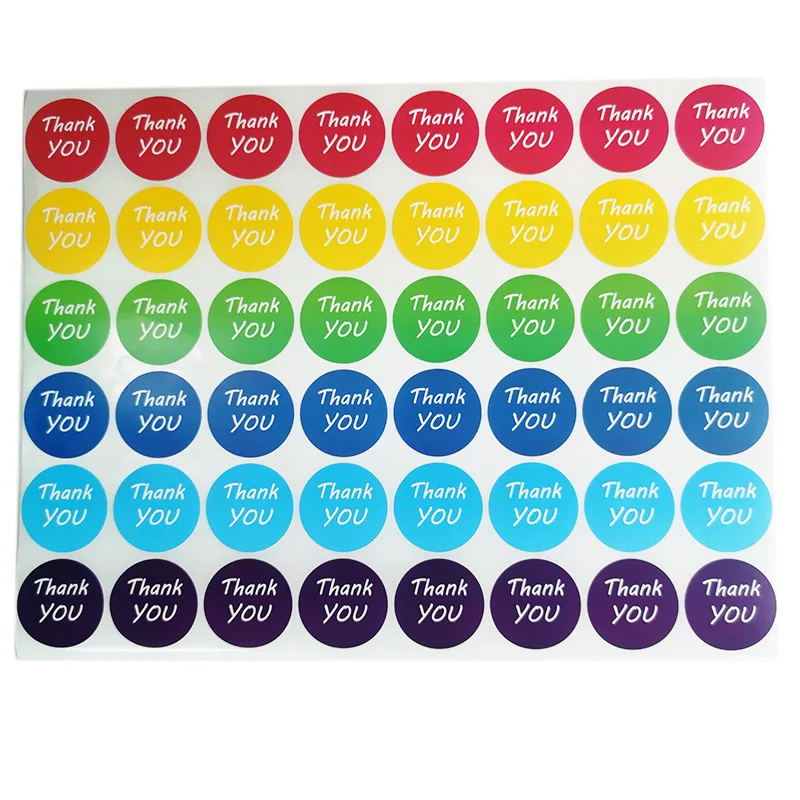
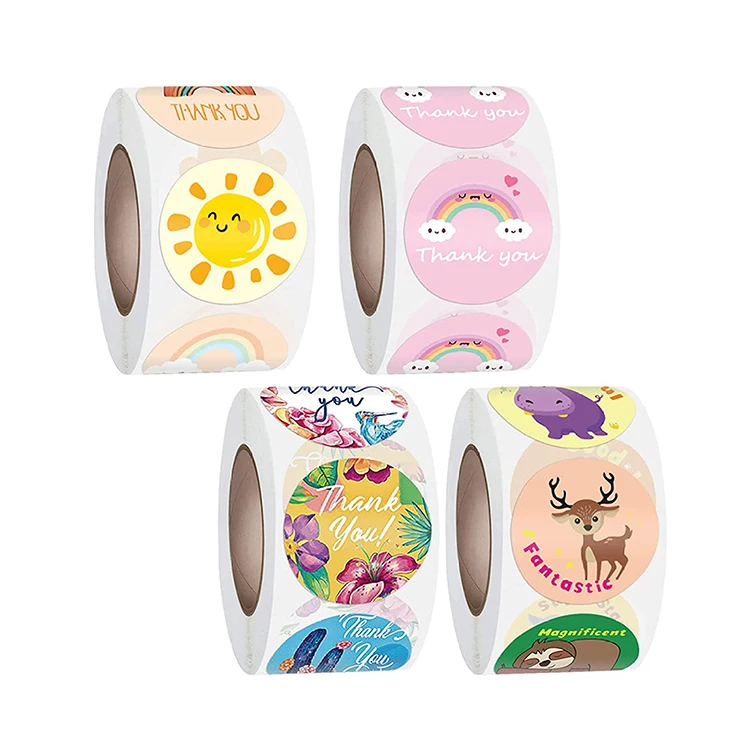
Private label packaging represents a comprehensive solution that enables businesses to establish their own branded product lines without investing in manufacturing infrastructure. This strategic approach allows companies to partner with established manufacturers who produce goods under the client's brand name and specifications. Private label packaging encompasses the entire process from product development and manufacturing to customized packaging design and distribution logistics. The core functionality of private label packaging revolves around brand customization, where manufacturers adapt their existing products or create new formulations to meet specific client requirements. These services typically include graphic design consultation, packaging material selection, regulatory compliance assistance, and quality control measures. The technological features of modern private label packaging incorporate advanced printing techniques such as digital printing, flexographic printing, and offset lithography to achieve high-quality visual presentations. Smart packaging technologies are increasingly integrated, including QR codes, NFC chips, and temperature-sensitive indicators that enhance consumer engagement and product tracking capabilities. Automated packaging lines ensure consistent quality and efficient production volumes, while sustainable packaging options address environmental concerns through biodegradable materials and recyclable components. Applications of private label packaging span numerous industries including cosmetics, food and beverages, pharmaceuticals, household products, and consumer electronics. Retailers leverage private label packaging to create exclusive product lines that differentiate them from competitors while maintaining higher profit margins. E-commerce businesses utilize these services to launch branded products quickly without substantial upfront investments in manufacturing equipment. Healthcare companies employ private label packaging for nutritional supplements and over-the-counter medications, ensuring compliance with regulatory standards. The versatility of private label packaging makes it an attractive option for startups, established brands seeking product diversification, and retailers aiming to strengthen customer loyalty through unique offerings.

New Products

Private label packaging delivers significant cost savings compared to developing in-house manufacturing capabilities. Companies eliminate the need for expensive equipment purchases, facility construction, and specialized workforce recruitment. This approach reduces initial investment requirements by up to 70 percent, allowing businesses to allocate resources toward marketing and brand development activities. The speed to market advantage cannot be overstated, as private label packaging enables product launches within weeks rather than months or years required for traditional manufacturing setup. Established manufacturers already possess the necessary infrastructure, expertise, and regulatory approvals, dramatically accelerating the product development timeline. Quality assurance represents another crucial benefit, as reputable private label packaging providers maintain rigorous quality control standards and certifications. These manufacturers typically hold ISO certifications, FDA approvals, and other industry-specific accreditations that ensure product safety and consistency. Their experience in handling multiple product lines translates to better quality outcomes for client brands. Flexibility stands as a cornerstone advantage of private label packaging services. Businesses can easily adjust order quantities based on market demand without committing to large-scale production runs. This scalability proves particularly valuable for seasonal products or when testing new market segments. The ability to modify packaging designs, product formulations, and specifications provides companies with the agility needed to respond quickly to consumer preferences and market trends. Risk mitigation is inherent in private label packaging partnerships, as manufacturers assume responsibility for production-related challenges, equipment maintenance, and technical troubleshooting. This arrangement allows brand owners to focus on core competencies such as marketing, sales, and customer relationship management. The shared expertise model provides access to specialized knowledge in areas like formulation science, packaging engineering, and regulatory compliance without hiring additional staff. Profit margin optimization occurs through reduced overhead costs and efficient production processes. Private label packaging providers achieve economies of scale by serving multiple clients, passing cost benefits to individual brands. The elimination of middleman markups further enhances profitability for businesses utilizing these services.

Latest News

Get a Free Quote

Our representative will contact you soon.
Email
Name
Company Name
Message
0/1000

private label packaging

Complete Brand Customization Control

Complete Brand Customization Control

Private label packaging provides unparalleled brand customization control, allowing businesses to create distinctive product identities that resonate with their target audiences. This comprehensive customization extends beyond simple logo placement to include complete packaging design, color schemes, typography, imagery, and messaging strategies that align with brand values and market positioning. The customization process begins with collaborative design sessions where experienced packaging designers work closely with brand owners to understand their vision, target demographics, and competitive landscape. Advanced design software and 3D visualization tools enable real-time modifications and iterations, ensuring the final packaging design perfectly captures the intended brand essence. Material selection represents a critical aspect of customization control, with options ranging from premium substrates like soft-touch coatings and metallic finishes to eco-friendly alternatives such as recycled paperboard and biodegradable films. The choice of packaging materials directly impacts consumer perception, with luxury brands often opting for heavier cardstock and sophisticated finishing techniques, while sustainable brands prioritize environmentally responsible options. Printing technologies offer extensive customization possibilities, including spot colors, gradient effects, embossing, debossing, foil stamping, and UV coating applications that create tactile and visual appeal. Digital printing capabilities enable variable data printing for personalized packaging solutions, allowing brands to create unique packages for different market segments or promotional campaigns. The level of customization control extends to structural design modifications, where packaging dimensions, shapes, and functional features can be adapted to specific product requirements and consumer usage patterns. Insert designs, compartmentalization, and closure mechanisms can all be customized to enhance user experience and product protection. Regulatory compliance customization ensures that packaging meets specific regional requirements, including language translations, nutritional labeling, safety warnings, and certification marks required for different markets. This comprehensive approach to brand customization control through private label packaging enables businesses to establish strong brand recognition, differentiate from competitors, and build lasting customer relationships through memorable packaging experiences.
Scalable Production Flexibility

Scalable Production Flexibility

Scalable production flexibility represents one of the most compelling advantages of private label packaging, offering businesses the ability to adjust production volumes dynamically based on market demand, seasonal fluctuations, and business growth trajectories. This flexibility eliminates the constraints typically associated with traditional manufacturing investments, where companies must commit to minimum production quantities that may exceed actual market needs or require significant storage capacity. The scalability advantage begins with low minimum order quantities that allow startups and small businesses to test market viability without substantial financial commitments. Private label packaging providers typically accommodate orders ranging from hundreds to millions of units, enabling businesses to start small and scale progressively as demand increases. This approach minimizes inventory holding costs, reduces working capital requirements, and mitigates the risk of overproduction that could result in obsolete inventory. Production scheduling flexibility allows businesses to time their orders strategically, aligning production cycles with peak selling seasons, promotional campaigns, or new product launches. The ability to place multiple smaller orders throughout the year rather than single large orders provides better cash flow management and reduces storage requirements. This scheduling flexibility proves particularly valuable for businesses with seasonal products or those operating in volatile markets where demand patterns are unpredictable. Geographic distribution capabilities enhance scalability by enabling production at multiple facilities or regions, reducing shipping costs and delivery times while improving supply chain resilience. Many private label packaging providers operate networks of facilities that can serve different markets efficiently, supporting business expansion into new territories without establishing local manufacturing presence. Technology integration supports scalable production through automated systems that can quickly adapt to different packaging specifications, batch sizes, and quality requirements. Modern packaging facilities utilize flexible manufacturing systems that can switch between different product lines with minimal downtime, supporting efficient small-batch production alongside large-volume orders. Quality consistency across different production scales is maintained through standardized processes, automated quality control systems, and comprehensive documentation procedures that ensure every unit meets specified standards regardless of batch size. The scalable flexibility of private label packaging enables businesses to respond rapidly to market opportunities, manage seasonal demands effectively, and grow their operations sustainably without the constraints of fixed manufacturing infrastructure.
Professional Quality Assurance Standards

Professional Quality Assurance Standards

Professional quality assurance standards in private label packaging represent a fundamental pillar that ensures product safety, consistency, and regulatory compliance while protecting brand reputation and consumer trust. These comprehensive quality systems encompass every aspect of the packaging process, from raw material inspection to final product delivery, implementing rigorous testing protocols and documentation procedures that meet or exceed industry standards. The quality assurance framework begins with supplier qualification programs that evaluate raw material providers based on quality certifications, testing capabilities, and performance history. Incoming material inspection procedures verify that all components meet specified requirements before entering the production process, including dimensional accuracy, color consistency, strength properties, and chemical composition analysis. These preventive measures ensure that quality issues are identified and resolved before they can impact final product quality. Manufacturing process controls utilize statistical process control methods, automated monitoring systems, and real-time quality metrics to maintain consistent production standards throughout all manufacturing operations. Critical control points are established at key stages of the packaging process, with automated systems continuously monitoring parameters such as print registration, adhesive application, dimensional tolerances, and seal integrity. Any deviations from specified parameters trigger immediate corrective actions to prevent the production of non-conforming products. Laboratory testing facilities conduct comprehensive analysis of finished products using advanced testing equipment and standardized test methods. These tests evaluate packaging performance characteristics including barrier properties, seal strength, compression resistance, temperature stability, and chemical compatibility with packaged products. Accelerated aging tests simulate extended storage conditions to verify packaging integrity over expected shelf life periods, ensuring products maintain quality throughout their intended lifespan. Documentation and traceability systems maintain detailed records of all quality-related activities, enabling complete lot tracking and rapid response to any quality concerns that may arise after product distribution. These systems support regulatory compliance requirements and facilitate efficient investigation of quality issues when they occur. Third-party certifications from recognized organizations such as ISO, BRC, SQF, and FDA validate the effectiveness of quality assurance systems and provide independent verification of compliance with industry standards. Regular audits by certification bodies ensure continuous improvement and maintenance of quality standards, giving clients confidence in the reliability and safety of their packaged products through professional quality assurance excellence.

Get a Free Quote

Our representative will contact you soon.
Email
Name
Company Name
Message
0/1000