EN
EN



Precision Cutting Technology for Flawless Results
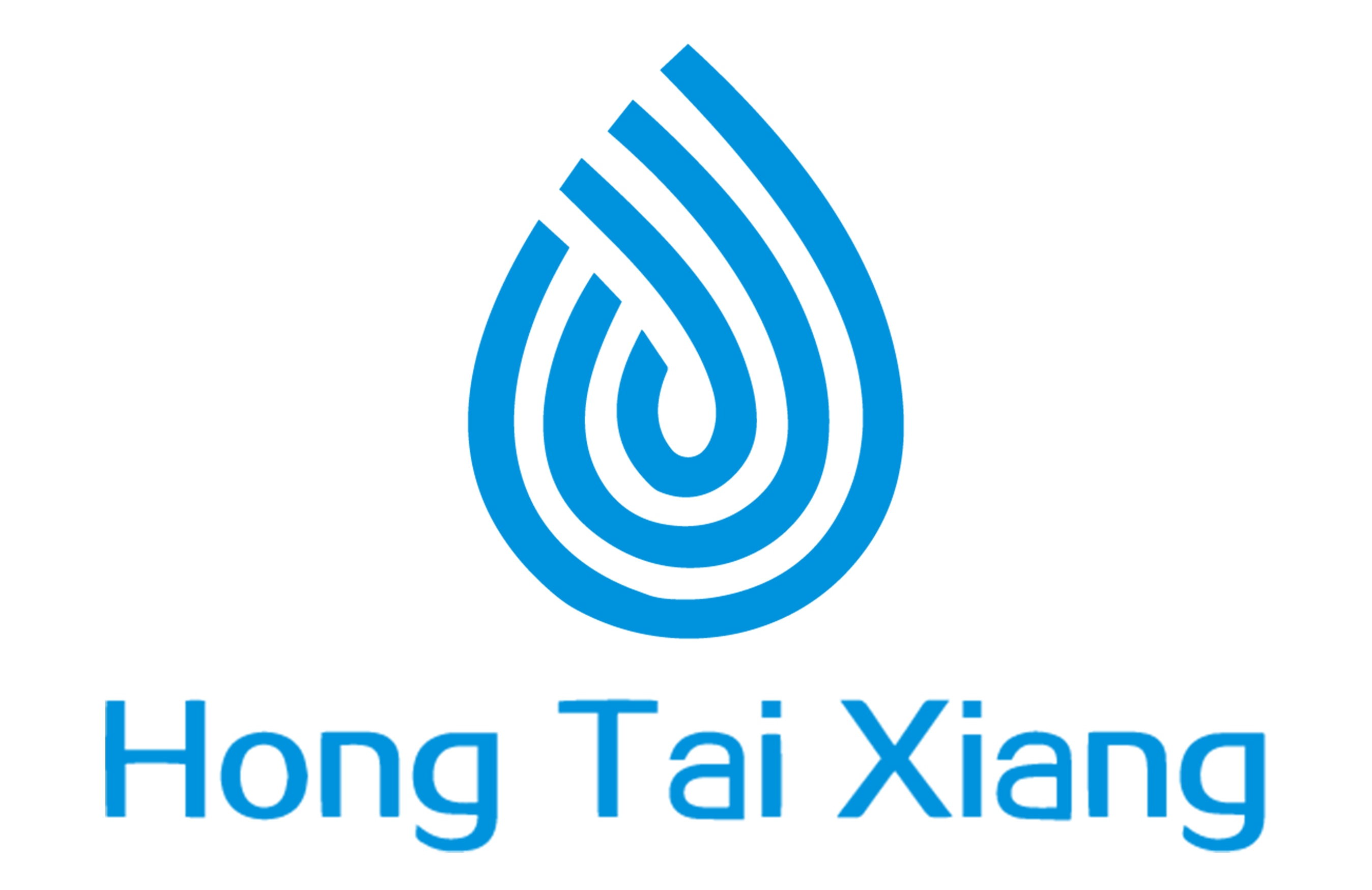
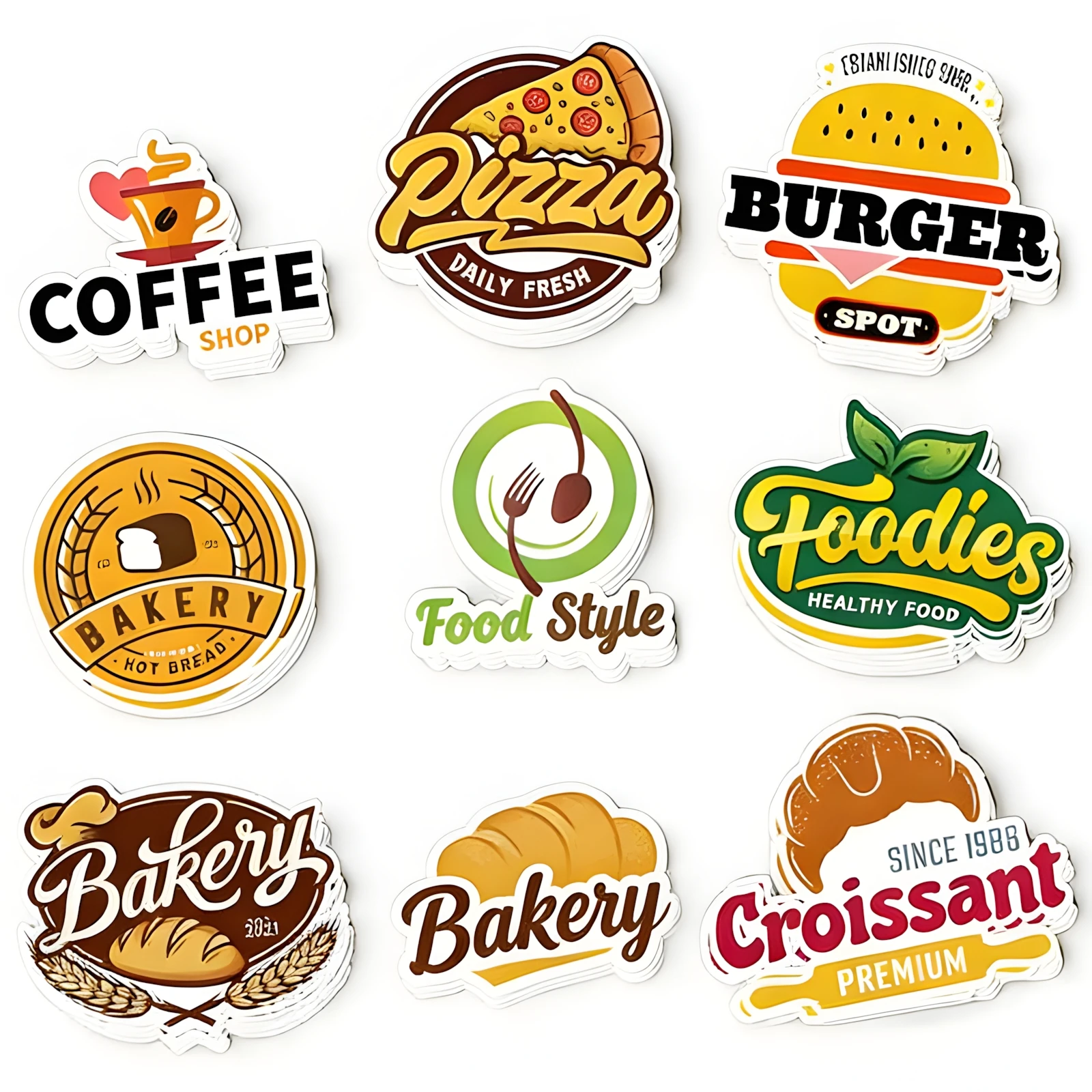
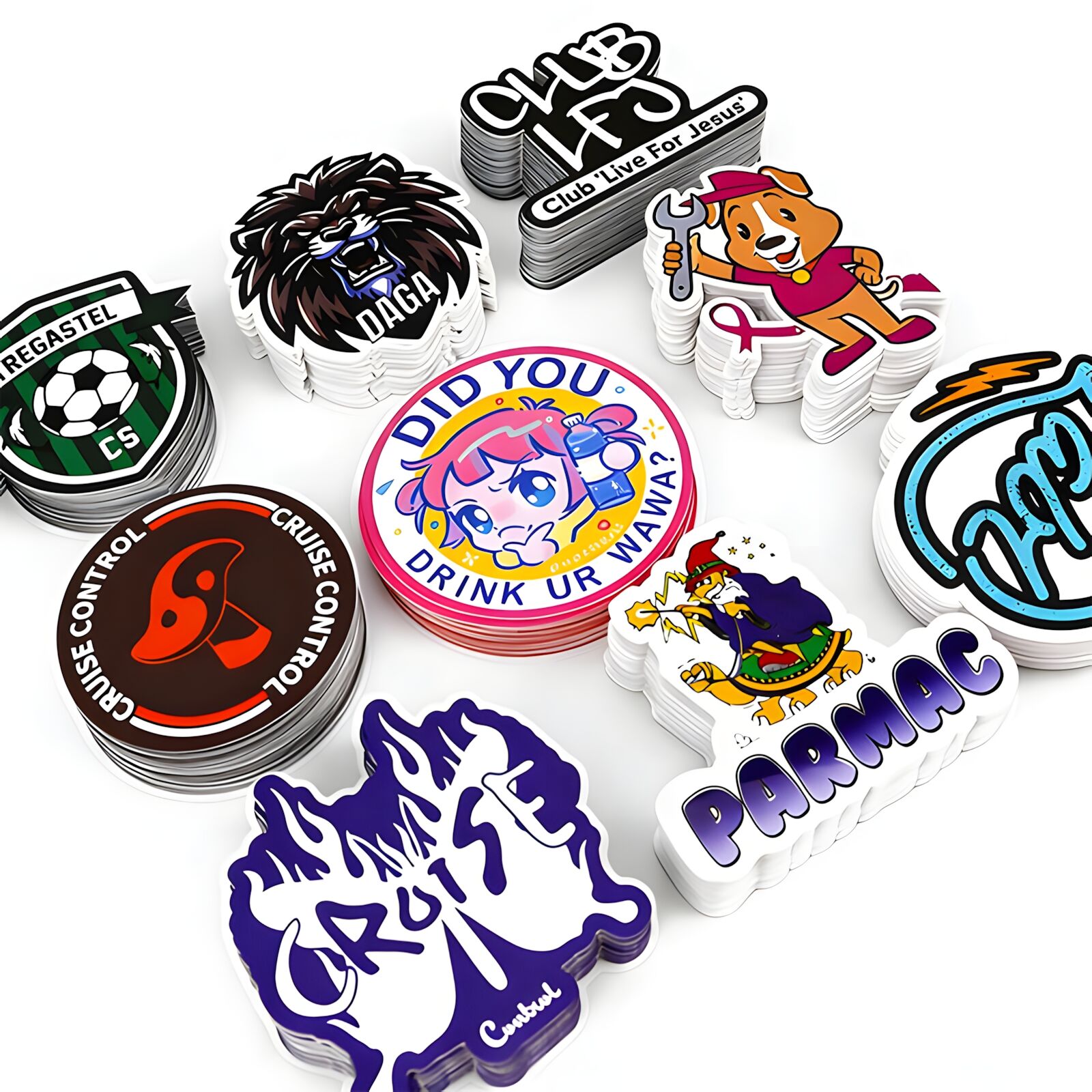
The cornerstone of superior custom cut sticker printing lies in advanced precision cutting technology that transforms ordinary designs into extraordinary marketing tools. This sophisticated system employs computer-controlled plotters equipped with ultra-sharp blades capable of following the most intricate design paths with remarkable accuracy. The cutting process begins with specialized software that analyzes your artwork and creates precise cutting paths, accounting for every curve, angle, and detail in your design. These plotters can achieve cutting tolerances as fine as 0.1 millimeters, ensuring that even the most complex logos, text, and illustrations are reproduced with exceptional fidelity. The precision cutting technology used in custom cut sticker printing utilizes multiple blade types optimized for different materials and design complexities, from standard vinyl cutting blades for simple shapes to micro-fine blades for detailed text and intricate patterns. Advanced sensors monitor cutting pressure and blade position in real-time, automatically adjusting parameters to maintain consistent quality throughout the production process. This technology enables the creation of multi-layered designs where different colored elements can be precisely positioned and cut to create stunning visual effects. The importance of precision cutting extends beyond aesthetics to functional performance, as accurately cut edges ensure proper adhesion and prevent lifting or peeling that can occur with poorly finished stickers. For businesses investing in custom cut sticker printing, this precision technology translates to professional-looking results that enhance brand credibility and customer perception. The value proposition becomes especially significant for applications requiring exact fitment, such as control panel labels, product identification tags, and decorative elements where dimensional accuracy directly impacts functionality. Furthermore, precision cutting minimizes material waste by optimizing cutting paths and nesting multiple designs efficiently, reducing costs while maintaining environmental responsibility. The reliability of modern cutting systems ensures consistent results across large production runs, eliminating the quality variations that can occur with manual cutting methods and providing peace of mind for critical branding applications.