EN
EN








Superior Cost Efficiency Through Volume Production
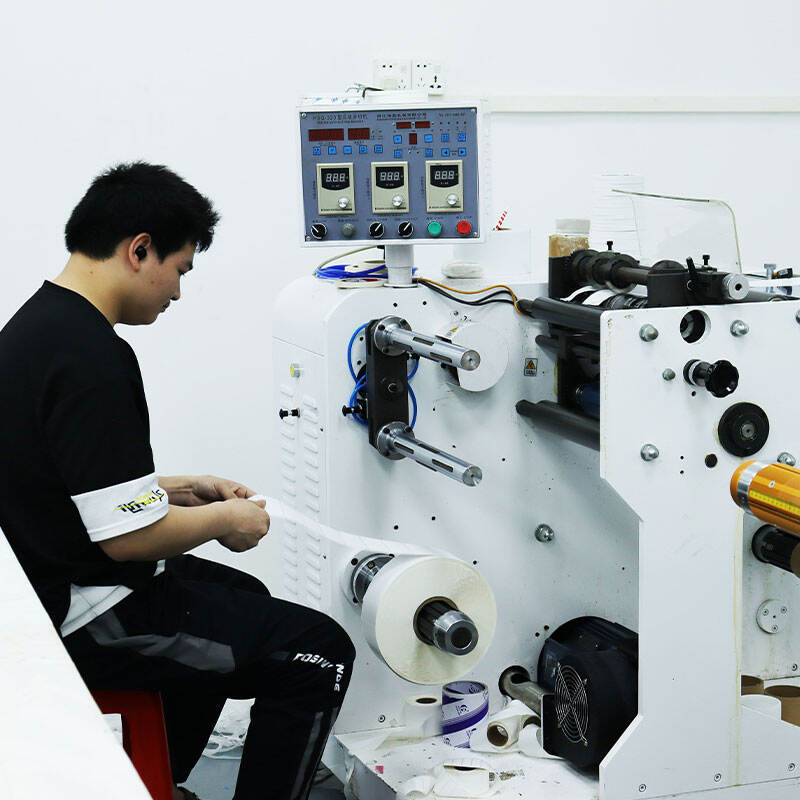
Bulk die cut stickers revolutionize promotional spending by delivering unprecedented cost savings through large-volume manufacturing. The economic advantages become apparent when comparing per-unit costs between small and bulk orders, with savings often reaching 60-80 percent for quantities exceeding 10,000 pieces. This dramatic price reduction occurs because setup costs, including die creation, material preparation, and machine calibration, are distributed across thousands of units rather than hundreds. Manufacturing facilities optimize production runs by dedicating entire shifts to single orders, eliminating changeover time and reducing labor costs per piece. Advanced printing technologies, such as digital offset and flexographic systems, achieve maximum efficiency during extended runs, producing consistent quality while minimizing waste. Material procurement benefits include volume discounts on premium substrates, inks, and adhesives that individual customers cannot access. Bulk die cut stickers enable businesses to budget promotional campaigns more effectively, knowing exact costs upfront and avoiding surprise expenses that plague smaller orders. The cost predictability allows marketing departments to allocate resources strategically across multiple campaigns throughout the year. Return on investment calculations become more favorable when promotional materials cost significantly less per impression, enabling broader distribution and increased brand exposure. Small businesses particularly benefit from bulk pricing because they can achieve enterprise-level promotional quality at accessible price points. Non-profit organizations stretch donation dollars further by obtaining professional-grade materials at reduced costs, maximizing their community impact. Educational institutions can create comprehensive school spirit campaigns without exceeding limited budgets. The financial advantages extend beyond initial purchase prices to include reduced shipping costs per unit, simplified inventory management, and decreased administrative overhead associated with frequent reordering.