EN
EN



Superior Weather Resistance Technology
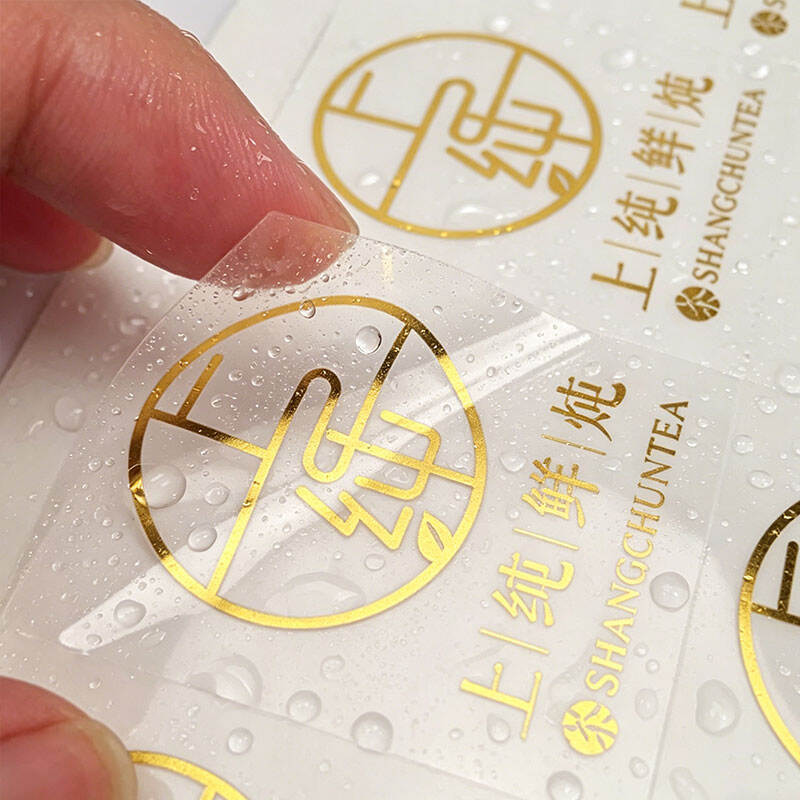
The advanced weather resistance technology embedded in clear waterproof stickers represents a breakthrough in adhesive label engineering that addresses the most challenging environmental conditions. This sophisticated system begins with carefully selected substrate materials that demonstrate exceptional stability across extreme temperature ranges, typically from negative forty degrees Fahrenheit to over two hundred degrees Fahrenheit, ensuring consistent performance in both arctic and desert conditions. The multi-layer construction incorporates specialized barrier films that prevent moisture penetration while allowing proper adhesion to occur during application. Advanced acrylic adhesive formulations create molecular bonds with target surfaces that strengthen over time, developing maximum holding power within twenty-four to forty-eight hours after application. The weather resistance extends beyond simple water protection to include resistance against salt spray, acid rain, industrial pollutants, and chemical exposure commonly found in harsh environments. UV stabilizers integrated throughout the material structure prevent degradation from prolonged sunlight exposure, maintaining clarity and adhesion strength for years rather than months. Field testing demonstrates that properly applied clear waterproof stickers maintain full functionality after exposure to hurricane-force winds, driving rain, snow, ice, and extreme temperature cycling. The technology also incorporates anti-aging compounds that prevent plasticizer migration and polymer breakdown that typically causes label failure in competitive products. This comprehensive approach to weather resistance makes these stickers invaluable for outdoor applications including marine equipment, construction sites, agricultural machinery, and recreational vehicles where label failure could result in safety hazards or operational disruptions. The engineering excellence extends to edge sealing properties that prevent water infiltration at label perimeters, a common failure point in lesser products. Quality control testing includes accelerated aging protocols that simulate years of environmental exposure in controlled laboratory conditions, ensuring consistent performance standards across production batches.