EN
EN


Advanced Multi-Layer Protection Technology
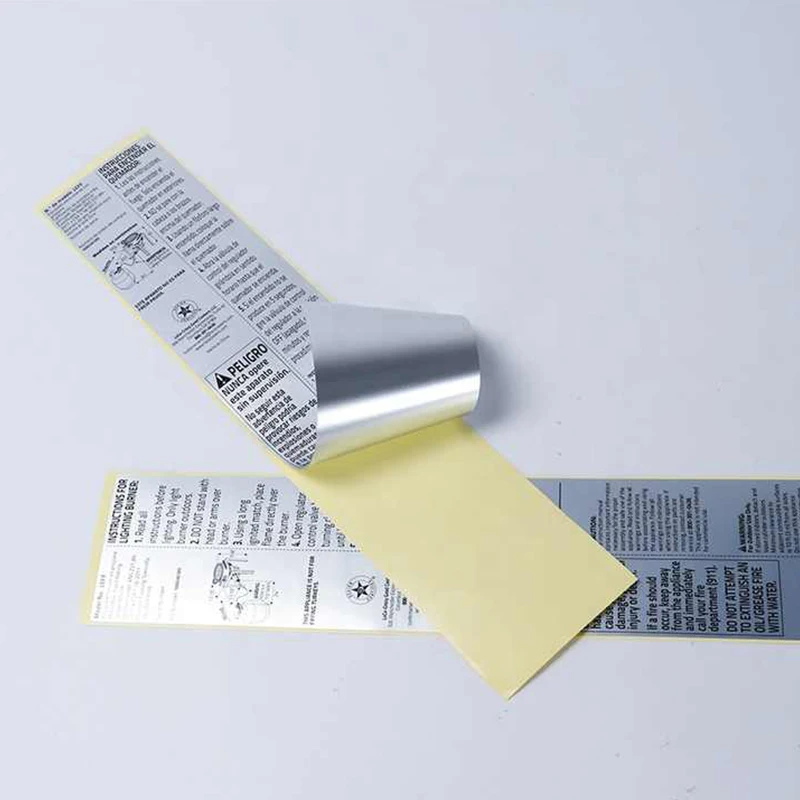
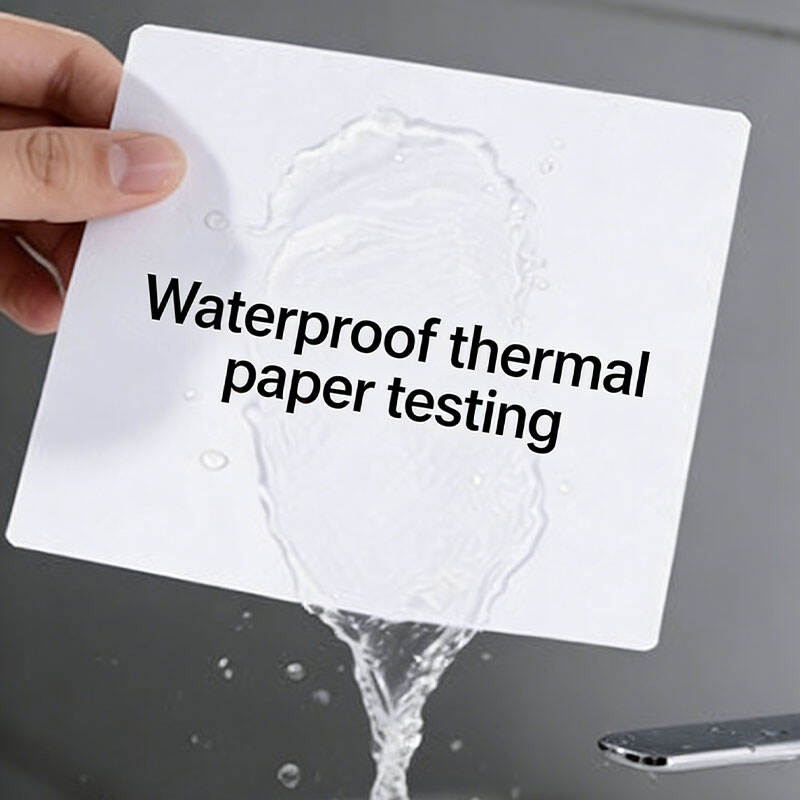
The sophisticated engineering behind waterproof thermal labels involves multiple protective layers that work together to create an impenetrable barrier against environmental hazards while maintaining optimal printing performance. The topmost layer consists of a specialized thermal-reactive coating that responds instantly to thermal printer heat, producing crisp, dark text and graphics that remain sharp even after extensive moisture exposure. This thermally-sensitive layer is formulated with advanced chemistry that prevents degradation from UV radiation, ensuring printed information stays legible for years rather than fading within weeks like standard thermal labels. Beneath this printing surface lies a moisture barrier layer constructed from synthetic polymers that completely block water penetration while allowing the thermal reaction to occur unimpeded. This barrier technology represents years of materials science research, incorporating microscopic structures that deflect water molecules while permitting heat transfer from thermal printheads. The substrate foundation utilizes high-grade synthetic materials such as polypropylene or polyester films that inherently resist moisture absorption, dimensional changes, and chemical attack from cleaning agents commonly used in industrial and healthcare environments. The adhesive system employs marine-grade formulations that maintain bonding strength even when submerged in water or exposed to extreme humidity fluctuations. This adhesive technology incorporates special tackifiers and cross-linking agents that actually strengthen over time, creating permanent bonds that resist peeling, lifting, or adhesive failure under wet conditions. Additional protective elements include anti-static properties that prevent dust accumulation, antimicrobial treatments that inhibit bacterial growth in healthcare applications, and chemical resistance that withstands exposure to common solvents, oils, and cleaning compounds. The manufacturing process involves precision coating techniques that ensure uniform layer thickness and complete coverage, eliminating weak spots that could compromise waterproof performance. Quality control testing subjects each batch to accelerated aging, submersion testing, temperature cycling, and UV exposure to guarantee consistent performance across diverse application environments.