
 EN
EN


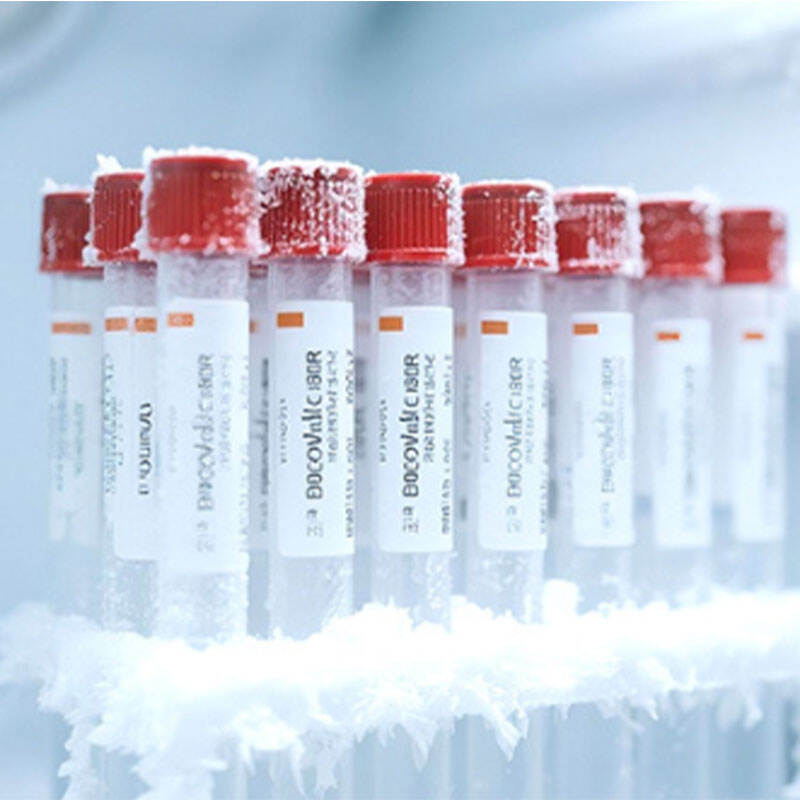
In industrial environments, the ability of stickers to maintain adhesion, legibility, and durability across diverse material surfaces is essential for operational efficiency, compliance, and product integrity. From metal enclosures and plastic components to cardboard packaging and glass containers, industrial stickers must perform reliably under varying conditions including temperature fluctuations, chemical exposure, and mechanical stress. Understanding how stickers adapt to different material surfaces involves examining adhesive chemistry, surface energy dynamics, substrate preparation methods, and the selection of appropriate backing materials that ensure long-term bonding and functionality in demanding applications.
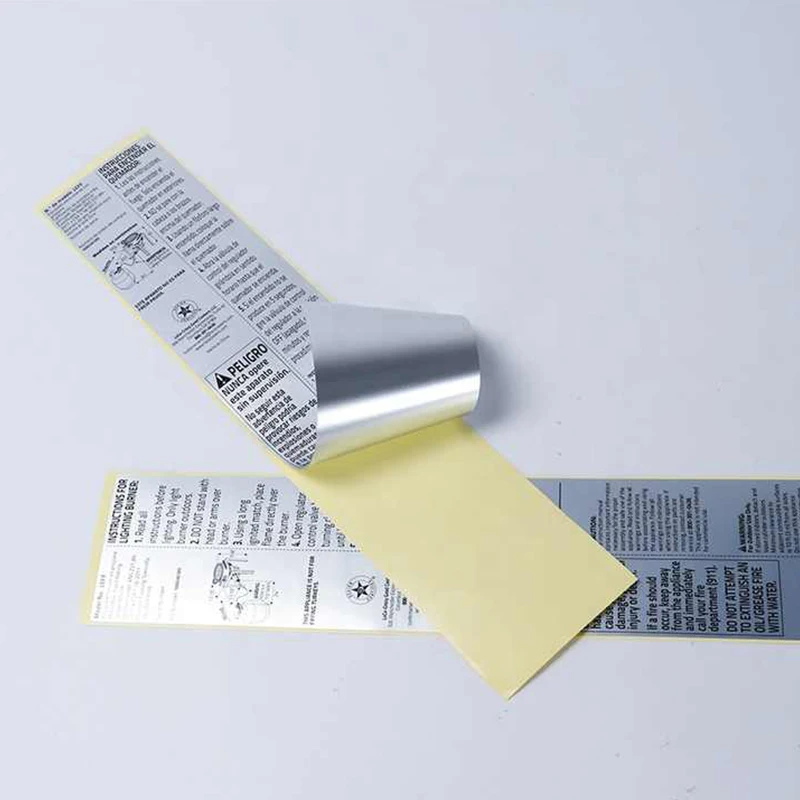
The adaptation of stickers to material surfaces in industrial contexts is governed by several interdependent factors including surface chemistry, texture, cleanliness, and environmental exposure during application and service life. Industrial-grade stickers are engineered with specialized adhesive formulations and backing substrates that respond to the specific physical and chemical properties of target materials, whether high-surface-energy metals or low-surface-energy polymers. This article explores the mechanisms through which stickers achieve reliable adhesion across diverse industrial substrates, the challenges posed by different material types, and the practical strategies manufacturers and end-users employ to optimize sticker performance for their specific operational requirements.
Understanding Surface Energy and Adhesive Compatibility
The Role of Surface Energy in Adhesion
Surface energy is a fundamental property that determines how well stickers adhere to different materials. High-surface-energy substrates such as metals, glass, and ceramics possess molecular structures that readily form bonds with adhesive compounds, facilitating strong initial tack and long-term adhesion. Low-surface-energy materials including polyethylene, polypropylene, and other non-polar plastics present greater challenges because their molecular surfaces resist wetting by conventional adhesives. Industrial stickers designed for low-energy substrates incorporate specially formulated adhesives with modified polymers and tackifiers that can overcome these surface barriers, ensuring reliable bonding even on difficult plastics commonly used in manufacturing and packaging.
Adhesive Chemistry and Material-Specific Formulations
The chemical composition of adhesives used in industrial stickers varies significantly based on the target substrate and application environment. Acrylic-based adhesives offer excellent UV resistance, temperature stability, and chemical resistance, making them ideal for outdoor equipment labels and stickers applied to metal surfaces exposed to harsh conditions. Rubber-based adhesives provide superior initial tack and conformability, which is advantageous for stickers that must adhere to textured or irregular surfaces such as corrugated cardboard or powder-coated metals. Silicone adhesives are selected for extreme temperature applications where stickers must maintain adhesion from cryogenic conditions to high-heat environments. The selection of adhesive chemistry directly influences how effectively stickers adapt to specific material surfaces and withstand the operational stresses encountered in industrial use.
Surface Tension and Wettability Considerations
For stickers to achieve optimal adhesion, the adhesive must fully wet the substrate surface, creating maximum contact area at the molecular level. Surface tension measurements, typically expressed in dynes per centimeter, help predict adhesive performance on different materials. Metals and glass typically exhibit surface tensions above 40 dynes, while untreated polyethylene may measure below 30 dynes. Industrial stickers intended for low-tension substrates often feature adhesives with lower surface tension values or are paired with surface treatment processes such as corona discharge or flame treatment that temporarily increase substrate surface energy. Understanding these wettability dynamics enables manufacturers to select or engineer stickers that adapt effectively to the specific material surfaces encountered in their production or distribution chains.
Material-Specific Adhesion Challenges and Solutions
Adapting Stickers to Metal Surfaces
Metal surfaces present unique adhesion considerations depending on their composition, finish, and environmental exposure. Bare metals such as aluminum, steel, and stainless steel generally provide excellent adhesion due to their high surface energy, but surface contaminants including oils, oxidation layers, and particulates can significantly impair sticker performance. Industrial stickers for metal applications typically require thorough surface preparation including solvent cleaning or abrasive treatment to ensure the adhesive contacts clean metal. Powder-coated and painted metals introduce additional variables, as coating chemistry and texture affect adhesive compatibility. Some industrial stickers designed for metal equipment incorporate aggressive adhesives with high initial tack and shear strength to resist vibration and thermal cycling common in machinery and transportation applications.
Bonding to Plastic and Polymer Substrates
Plastic materials represent the most challenging substrates for sticker adhesion due to their wide range of surface energies and chemical compositions. High-density polyethylene, polypropylene, and polytetrafluoroethylene rank among the most difficult plastics for adhesive bonding, requiring specialized stickers with modified acrylic or synthetic rubber adhesives formulated specifically for low-energy surfaces. PVC, PET, and polycarbonate plastics offer moderate to good adhesion with standard industrial stickers, though surface preparation and adhesive selection remain important. Plasticizers that migrate to the surface of flexible vinyl can interfere with adhesion over time, necessitating stickers with plasticizer-resistant adhesives for such applications. Industrial users often employ surface treatments or primers to enhance plastic surface energy before sticker application, particularly for critical identification or safety labels that must remain legible throughout the product lifecycle.
Sticker Performance on Porous and Textured Surfaces
Porous materials such as untreated wood, uncoated cardboard, and certain concrete surfaces absorb adhesives, reducing available bonding surface and potentially causing premature failure. Industrial stickers for porous substrates typically feature high-coat-weight adhesives that penetrate surface irregularities while maintaining sufficient adhesive at the interface for mechanical bonding. Textured surfaces including brushed metals, molded plastics with grain patterns, and powder-coated finishes require stickers with conformable backing materials and aggressive adhesives that can fill surface irregularities. Film-based stickers made from vinyl or polyester offer better conformability than paper-based alternatives, allowing the adhesive to maintain contact across textured topography. Understanding the porosity and texture characteristics of target substrates enables selection of stickers engineered to adapt their adhesive distribution and backing flexibility for optimal performance on challenging industrial surfaces.
Environmental Factors Affecting Sticker Adaptation
Temperature Extremes and Thermal Cycling
Temperature variations profoundly impact how stickers maintain adhesion to different material surfaces in industrial environments. Extreme cold reduces adhesive tack and can cause embrittlement of backing materials, while excessive heat may cause adhesive flow, substrate deformation, or chemical degradation. Differential thermal expansion between stickers and substrates creates stress at the bond interface during temperature cycling, potentially leading to edge lifting or complete delamination. Industrial stickers designed for temperature-resistant applications incorporate adhesives with wide service temperature ranges and backing materials matched to substrate expansion coefficients. Cold-storage facilities, outdoor equipment exposed to seasonal variations, and heated industrial processes each require stickers specifically formulated to adapt to their thermal profiles while maintaining reliable adhesion across the temperature spectrum encountered during the application lifecycle.
Chemical Exposure and Resistance Requirements
Industrial environments frequently expose stickers to chemicals that can degrade adhesives, attack backing materials, or interfere with the substrate bond. Solvents, oils, cleaning agents, and process chemicals each pose specific challenges depending on their chemical nature and concentration. Stickers intended for chemical-resistant applications utilize solvent-resistant adhesives such as crosslinked acrylics and backing materials including polyester or vinyl films that resist chemical attack. The interaction between chemical exposure and substrate type further complicates sticker selection, as chemicals may alter surface chemistry or create interfacial contamination that undermines adhesion. Manufacturers of industrial stickers provide chemical resistance charts specifying compatible environments, enabling users to select products that adapt not only to their substrate materials but also to the chemical exposures those substrates encounter during manufacturing, storage, or field service.
Moisture, Humidity, and Outdoor Exposure
Moisture presents multiple challenges for sticker adhesion across different material surfaces. Water can penetrate the adhesive-substrate interface through edges or defects, causing hydrolytic degradation of the bond. Porous substrates absorb moisture that may carry contaminants to the adhesive interface or cause dimensional changes that stress the bond. High humidity environments promote condensation on cold surfaces, creating water films that prevent proper initial adhesion if stickers are applied under such conditions. Industrial stickers for outdoor or high-humidity applications feature moisture-resistant adhesives, sealed edges, and water-impermeable backing materials that prevent moisture ingress. UV-resistant topcoats and stabilized materials prevent degradation from sunlight exposure that often accompanies outdoor moisture. Understanding the moisture exposure profile of both the application environment and the substrate material itself is essential for selecting stickers that adapt their moisture-barrier properties to maintain long-term adhesion in challenging conditions.
Application Techniques for Optimal Surface Adaptation
Surface Preparation Methods by Material Type
Proper surface preparation is fundamental to enabling stickers to adapt successfully to different industrial materials. Metal surfaces benefit from solvent cleaning with isopropyl alcohol or specialized degreasers to remove oils, followed by abrasion with fine-grit abrasives for oxidized or heavily contaminated areas. Plastic substrates often require corona treatment, flame treatment, or chemical primers that temporarily increase surface energy and provide reactive sites for adhesive bonding. Porous materials may be sealed with primers or coatings that reduce absorption while creating a more uniform bonding surface. The specific preparation protocol must account for substrate composition, surface condition, and the adhesive chemistry of the selected stickers. Industrial environments with high-volume sticker application often implement standardized surface preparation procedures with verification protocols to ensure consistent adhesion performance across production batches and material lots.
Application Temperature and Pressure Requirements
The conditions under which stickers are applied significantly affect their ability to adapt to and bond with substrate surfaces. Most industrial adhesives require minimum application temperatures, typically between 50°F and 70°F, to achieve proper flow and wetting characteristics. Applying pressure during and immediately after sticker placement increases adhesive contact with the substrate, particularly important for textured surfaces and low-energy materials. Manual application techniques including squeegee use and firm hand pressure ensure air elimination and complete adhesive contact. Automated application equipment provides controlled pressure and dwell time for high-volume industrial operations. Some aggressive adhesives require an initial bonding period or cure time before the labeled item is subjected to stress or environmental exposure. Understanding these application parameters and their interaction with specific substrate materials enables industrial users to optimize the adaptation process and achieve maximum adhesion performance from their stickers.
Post-Application Conditioning and Verification
After initial application, many industrial stickers require a conditioning period during which adhesive bonding continues to develop and strengthen. Acrylic adhesives typically reach full bond strength over 24 to 72 hours as the adhesive completes its wetting and chemical interaction with the substrate. During this period, labeled items should be stored under controlled conditions avoiding temperature extremes, moisture exposure, and mechanical stress. Post-application verification methods including peel tests, shear tests, and visual inspection help confirm that stickers have adapted properly to their substrate surfaces and meet adhesion specifications. In critical applications such as safety labels, compliance markings, or traceability tags, documented verification provides quality assurance that stickers will perform reliably throughout their intended service life. These conditioning and verification practices are particularly important when applying stickers to challenging substrates or in borderline environmental conditions where adhesion margins are reduced.
Selecting Appropriate Sticker Materials for Different Substrates
Backing Material Selection Based on Substrate Characteristics
The backing material of industrial stickers plays a crucial role in their ability to adapt to different substrate surfaces. Paper-based stickers offer cost advantages and good printability but provide limited conformability and moisture resistance, making them suitable primarily for smooth, dry, indoor surfaces. Vinyl film stickers deliver excellent conformability to curved and textured surfaces along with superior moisture and chemical resistance, ideal for outdoor equipment and chemical-exposed applications. Polyester film stickers provide exceptional temperature resistance, dimensional stability, and durability for harsh industrial environments including engine compartments and high-temperature processes. Specialized materials including foil-backed stickers offer enhanced barrier properties, while ultra-conformable films adapt to complex surface geometries such as riveted panels or corrugated textures. Matching backing material properties to substrate characteristics and environmental exposure ensures that stickers maintain both adhesion and legibility throughout their required service life.
Adhesive Selection Criteria for Material Compatibility
Adhesive selection represents the most critical decision in ensuring stickers adapt effectively to industrial material surfaces. Permanent adhesives create strong, durable bonds intended for the lifetime of the labeled item, suitable for asset tags and compliance labels on high-value equipment. Removable adhesives allow clean removal without residue, appropriate for temporary identification during manufacturing or distribution. High-tack adhesives compensate for challenging substrates including low-energy plastics and textured surfaces. Temperature-resistant adhesives maintain performance across wide thermal ranges. Chemical-resistant formulations withstand exposure to specific industrial solvents and process chemicals. The adhesive selection process must consider substrate surface energy, texture, cleanliness standards, environmental exposure, required bond longevity, and potential removal requirements. Many industrial sticker manufacturers offer technical support and adhesive compatibility testing to help users identify optimal products for their specific substrate and application combinations.
Print Technology and Surface Interaction
The printing technology used to create industrial stickers influences their surface adaptation characteristics and durability. Thermal transfer printing produces durable images on synthetic materials that resist smudging and chemical exposure, important for stickers on surfaces that undergo cleaning or chemical contact. Digital printing enables variable data and complex graphics but may require protective topcoats for harsh environments. Screen printing delivers thick, durable ink layers with excellent chemical and UV resistance for long-life outdoor applications. The ink-substrate interaction affects overall sticker performance, as some ink chemistries may not adhere well to certain backing materials or may be incompatible with specific environmental exposures. Protective overlaminates and topcoats enhance durability and chemical resistance while providing additional conformability for textured substrates. Comprehensive consideration of printing technology, backing material, adhesive chemistry, and substrate characteristics ensures that stickers deliver both visual performance and reliable adhesion across diverse industrial material surfaces.
FAQ
What substrate preparation is most critical for ensuring stickers adhere to low-energy plastics?
For low-energy plastics such as polyethylene and polypropylene, surface treatment is the most critical preparation step. Corona discharge treatment or flame treatment temporarily increases surface energy by oxidizing the plastic surface, creating reactive sites for adhesive bonding. These treatments should be performed immediately before sticker application, as the enhanced surface energy gradually diminishes over time. Additionally, selecting stickers specifically formulated with modified acrylic or synthetic rubber adhesives designed for low-surface-energy substrates significantly improves adhesion performance. Cleaning the plastic surface with isopropyl alcohol removes contaminants and mold release agents that further impair adhesion. The combination of surface treatment, appropriate adhesive selection, and cleanliness ensures optimal sticker adaptation to challenging plastic materials.
How do temperature variations affect sticker adhesion to metal versus plastic surfaces?
Temperature variations affect sticker adhesion differently on metal and plastic surfaces due to their contrasting thermal expansion properties and heat transfer characteristics. Metals conduct heat rapidly and have relatively low thermal expansion coefficients, causing quick temperature changes at the adhesive interface but limited dimensional change. Plastics exhibit higher thermal expansion and slower heat transfer, creating greater dimensional changes and potential stress at the sticker-substrate bond. During temperature cycling, differential expansion between the sticker backing material and substrate can cause edge lifting or delamination. Metal surfaces in high-temperature environments may require stickers with heat-resistant silicone adhesives, while plastic substrates need backing materials with thermal expansion coefficients matched to the specific polymer to minimize stress during temperature fluctuations. Understanding these material-specific thermal behaviors enables selection of stickers engineered to maintain adhesion across the expected temperature range.
Can stickers be successfully applied to powder-coated surfaces, and what factors affect adhesion?
Stickers can successfully adhere to powder-coated surfaces when proper consideration is given to coating characteristics and application practices. Powder coating texture significantly impacts adhesion, with smoother finishes providing better contact than heavily textured or orange-peel surfaces. The chemical composition of the powder coating affects adhesive compatibility, with polyester coatings generally offering better adhesion than epoxy formulations. Powder coating cure level is critical, as fully cured coatings provide stable surfaces while under-cured coatings may release volatiles that interfere with adhesive bonding. Surface preparation including cleaning to remove contaminants and light abrasion of very smooth coatings improves adhesion. Stickers with conformable backings and aggressive adhesives specifically formulated for powder-coated metals deliver optimal performance. Application should occur after the powder coating has fully cured and cooled to room temperature to ensure maximum adhesion strength.
What is the typical adhesion development timeline for stickers on different industrial materials?
Adhesion development timelines vary based on adhesive chemistry, substrate material, and environmental conditions, but general patterns apply across industrial applications. Initial tack occurs immediately upon application, providing enough adhesion to hold the sticker in place, typically representing 20 to 30 percent of ultimate bond strength. For most acrylic adhesives on high-energy substrates such as metals and glass, adhesion develops to approximately 70 percent of final strength within the first hour and reaches 90 percent within 24 hours. Full cure requiring 72 hours is typical before subjecting labeled items to maximum stress or extreme environmental conditions. Low-energy plastics often exhibit slower adhesion development due to reduced chemical interaction at the interface. Rubber-based adhesives develop initial tack more quickly but may require similar cure times for maximum bond strength. Temperature during application and conditioning significantly affects these timelines, with warmer temperatures accelerating adhesive flow and bonding while cold conditions slow development.
Table of Contents
- Understanding Surface Energy and Adhesive Compatibility
- Material-Specific Adhesion Challenges and Solutions
- Environmental Factors Affecting Sticker Adaptation
- Application Techniques for Optimal Surface Adaptation
- Selecting Appropriate Sticker Materials for Different Substrates
-
FAQ
- What substrate preparation is most critical for ensuring stickers adhere to low-energy plastics?
- How do temperature variations affect sticker adhesion to metal versus plastic surfaces?
- Can stickers be successfully applied to powder-coated surfaces, and what factors affect adhesion?
- What is the typical adhesion development timeline for stickers on different industrial materials?