EN
EN






Advanced Thermal Printing Technology
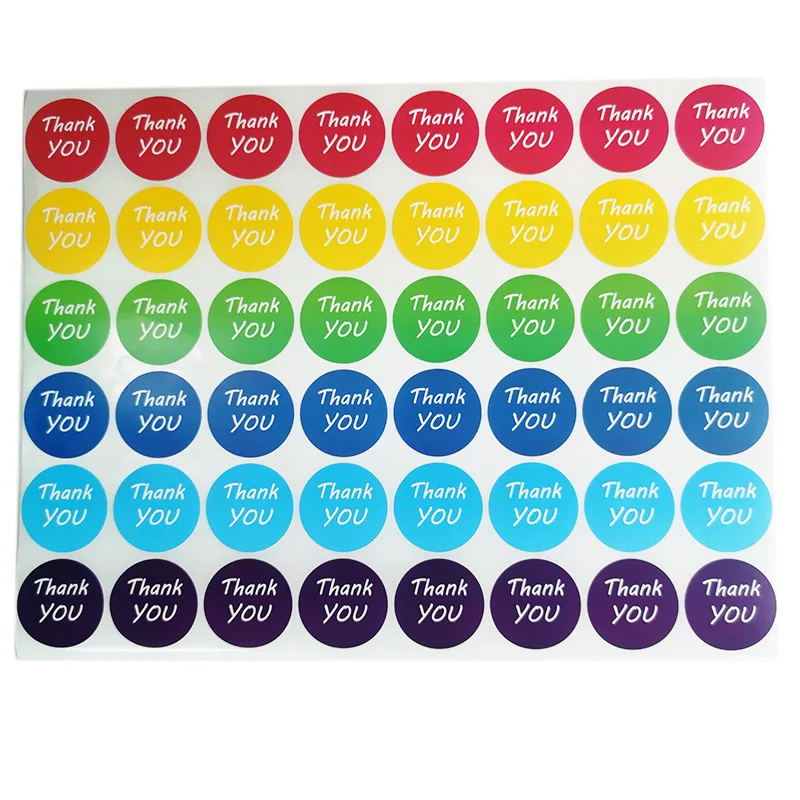
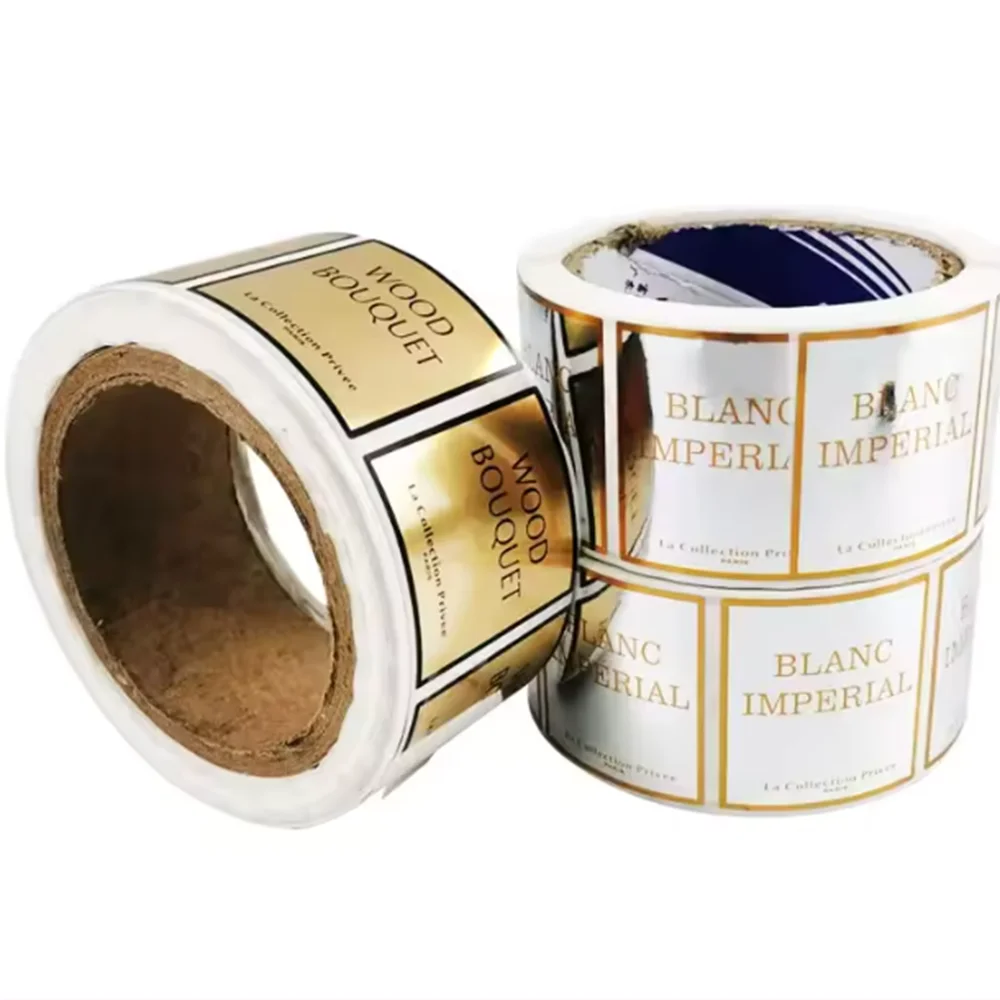
The shipping label manufacturer utilizes cutting-edge thermal printing technology that revolutionizes label production by eliminating traditional ink cartridges and ribbons. This innovative approach employs heat-sensitive materials that react to precise temperature variations, creating crisp, professional-quality text and barcodes without requiring consumable printing supplies. The thermal printing process ensures exceptional durability, producing labels that withstand extreme weather conditions, moisture exposure, and physical handling throughout the shipping journey. Unlike conventional inkjet or laser printers, the thermal printing system maintains consistent quality regardless of usage frequency, preventing issues like dried ink cartridges or toner smearing. The technology supports high-resolution output up to 300 DPI, ensuring even small text and intricate barcodes remain perfectly legible for automated scanning systems. The shipping label manufacturer incorporating this technology operates silently, making it ideal for office environments and shared workspaces where noise reduction is important. The thermal printing mechanism requires minimal maintenance, with fewer moving parts compared to traditional printing systems, resulting in lower long-term operational costs and reduced downtime. Print speeds reach up to 6 inches per second, enabling rapid label production for high-volume shipping operations without compromising quality standards. The technology automatically adjusts heat levels based on label material specifications, ensuring optimal print density across different media types. This adaptive capability prevents common printing issues like fading, bleeding, or incomplete character formation. The thermal printing system supports various label materials including direct thermal and thermal transfer options, providing flexibility for different shipping requirements and environmental conditions. Energy efficiency represents another significant advantage, as thermal printing consumes substantially less power compared to laser printing systems, contributing to reduced operational expenses and environmental sustainability goals.