EN
EN



Advanced Multi-Layer Construction Technology
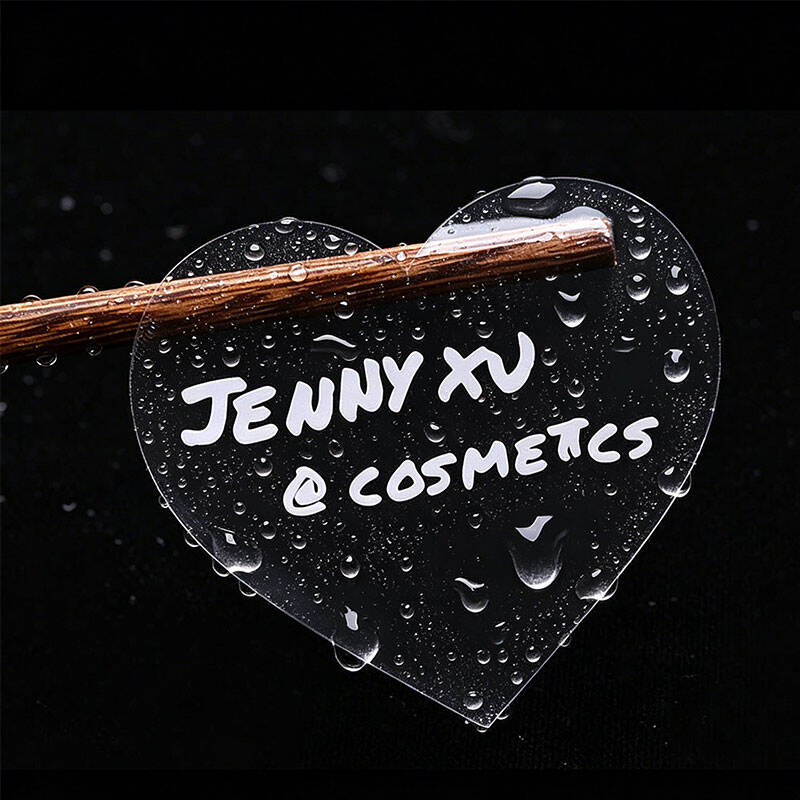
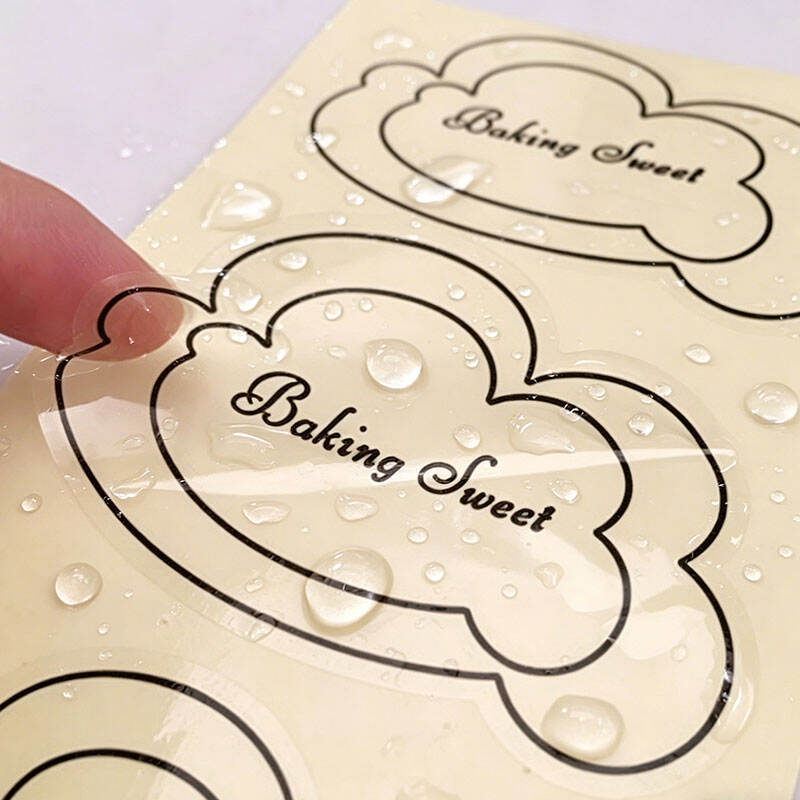
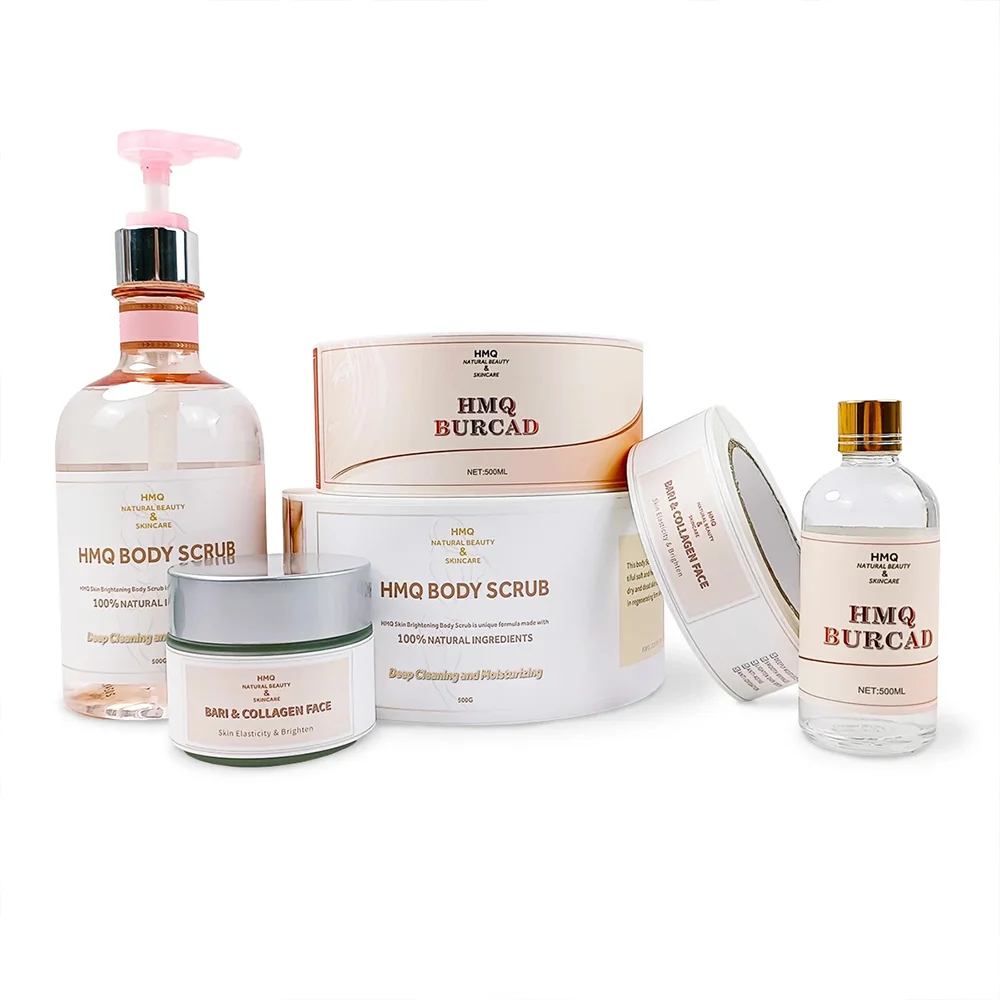
The sophisticated engineering behind custom waterproof labels involves a revolutionary multi-layer construction system that sets these products apart from conventional labeling solutions. This advanced technology begins with a specially formulated synthetic substrate that serves as the foundation layer, providing exceptional tear resistance and dimensional stability under varying environmental conditions. The substrate material undergoes extensive testing to ensure compatibility with diverse surface types while maintaining flexibility that prevents cracking or peeling during temperature fluctuations. Above this foundation, a proprietary polymer coating creates an impermeable barrier that prevents water molecules from penetrating the label structure, effectively protecting the printed graphics and text beneath. This coating technology represents years of research and development, incorporating nanotechnology principles that create microscopic barriers while maintaining the label's visual clarity and print quality. The printing layer utilizes UV-resistant inks that undergo specialized curing processes to bond molecularly with the substrate material, creating graphics that cannot be removed by water exposure or mechanical abrasion. These inks are formulated with light-stable pigments that resist fading even under direct sunlight exposure for extended periods, ensuring your custom waterproof labels maintain their professional appearance throughout their service life. The adhesive system represents the final technological component, featuring moisture-activated bonding agents that actually strengthen their grip when exposed to humidity or water. This counterintuitive property ensures that custom waterproof labels become more securely attached in wet conditions rather than losing adhesion like traditional labels. The adhesive formulation includes corrosion inhibitors that protect metal surfaces from rust and degradation, adding value beyond simple attachment. Quality control processes involve extensive environmental testing including freeze-thaw cycles, salt spray exposure, and accelerated aging protocols that simulate years of real-world conditions in controlled laboratory settings, guaranteeing performance reliability for custom waterproof labels in demanding applications.