EN
EN



Advanced Digital Printing Technology and Material Innovation
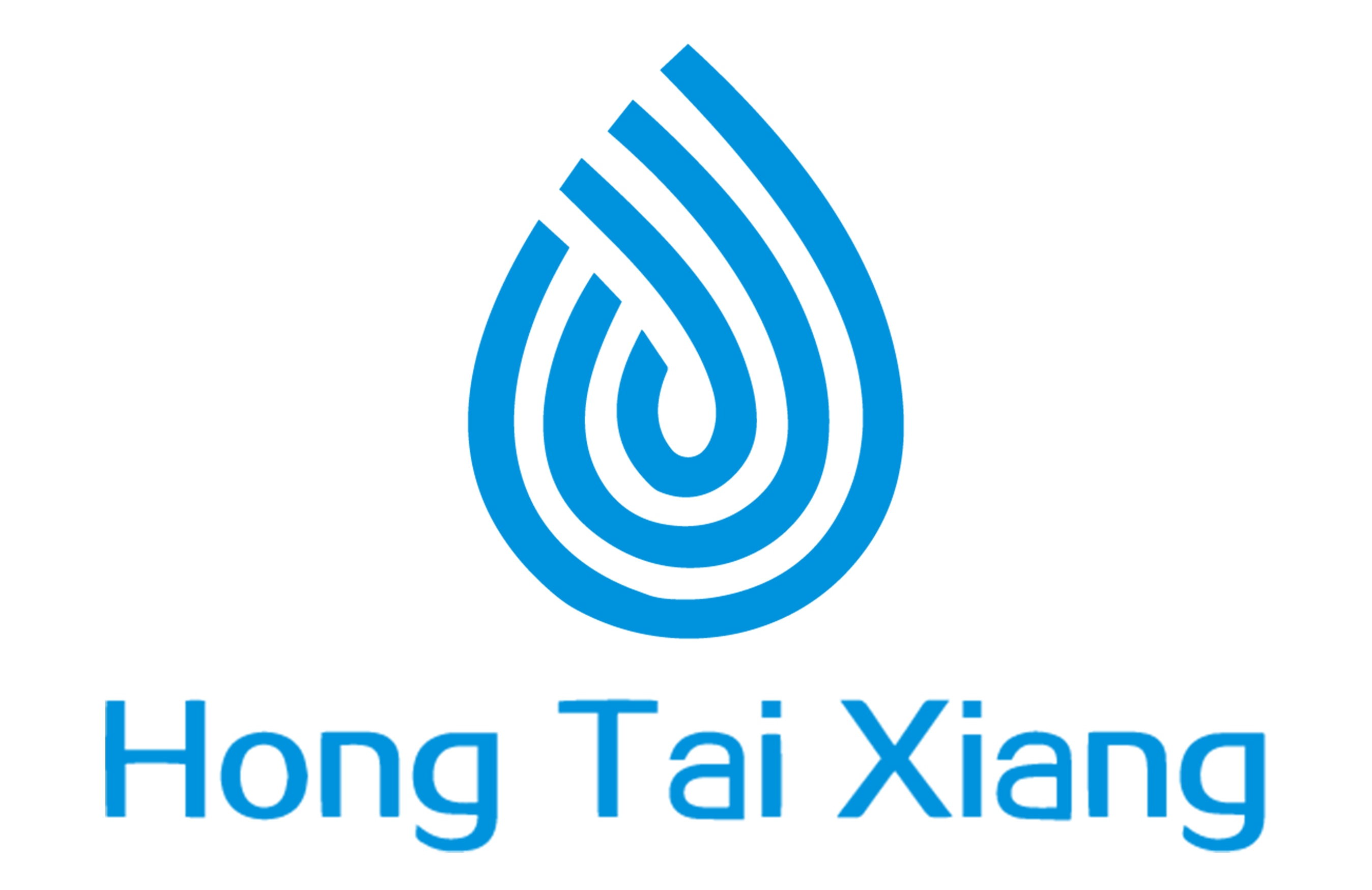
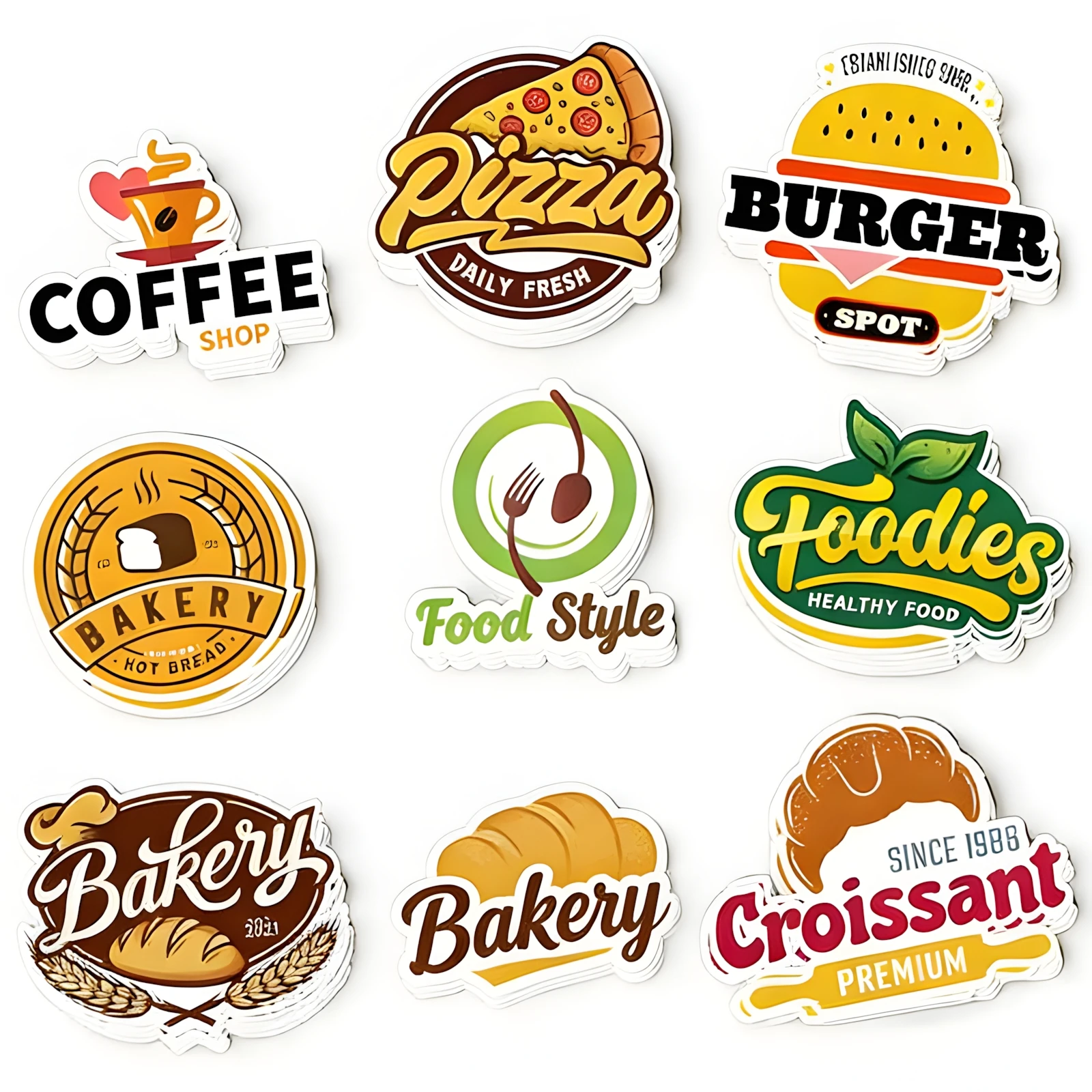
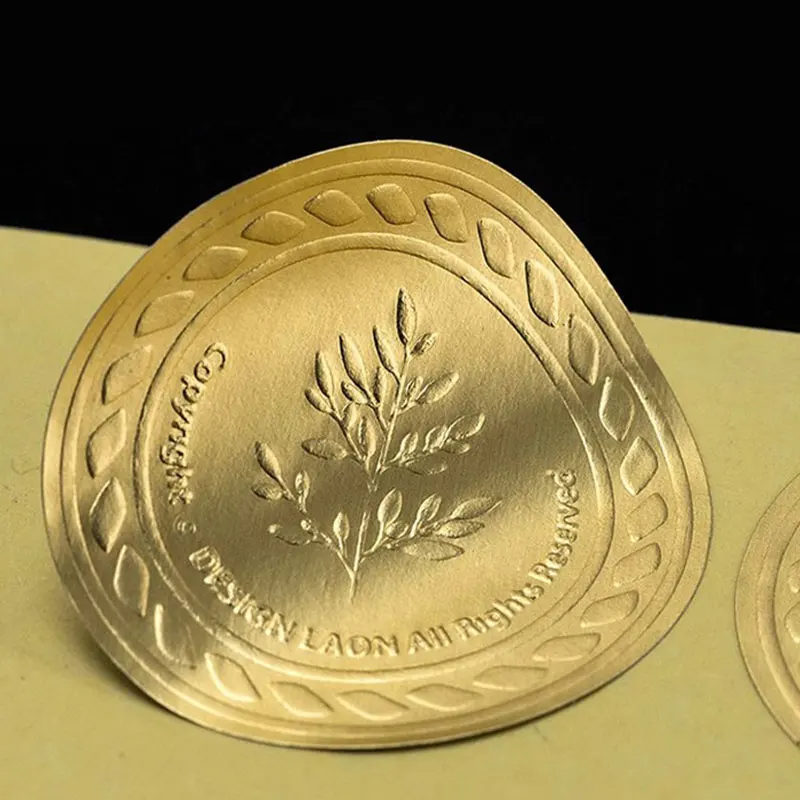
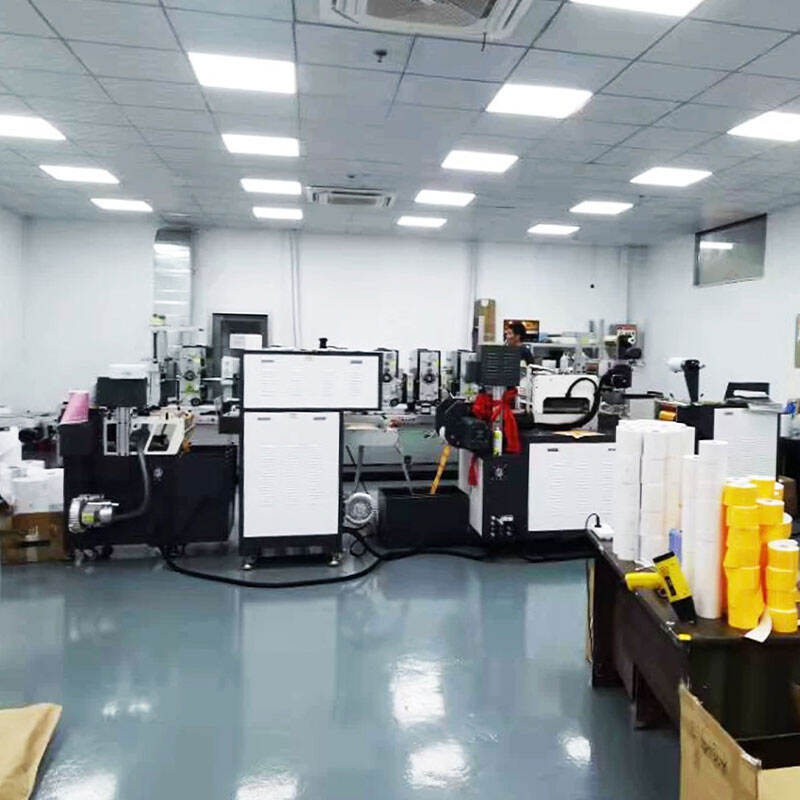
Leading custom stickers suppliers distinguish themselves through cutting-edge digital printing capabilities that deliver exceptional visual quality and production efficiency across diverse project requirements. These advanced systems utilize high-resolution inkjet technology capable of producing intricate details, vibrant color gradations, and photographic-quality images with remarkable consistency and precision. The integration of UV-curable inks ensures superior fade resistance, chemical durability, and longevity that maintains visual appeal even under harsh environmental conditions including direct sunlight exposure, temperature fluctuations, and moisture contact. Modern printing equipment operates with computerized color management systems that guarantee accurate color reproduction across multiple production runs, ensuring brand consistency for corporate clients and maintaining visual integrity for promotional materials. Variable data printing capabilities enable personalization at scale, allowing custom stickers suppliers to produce individualized labels with unique text, numbers, or images within single production runs without sacrificing efficiency or increasing costs proportionally. Material innovation represents another crucial differentiator, with suppliers offering extensive selections of specialty substrates including metallic films, clear polymers, textured surfaces, and biodegradable options that cater to specific aesthetic preferences and functional requirements. Advanced adhesive formulations provide tailored bonding characteristics, from removable options that leave no residue to permanent industrial-strength compounds designed for challenging applications involving irregular surfaces, extreme temperatures, or chemical exposure. Lamination and protective coating technologies extend product lifespan while enhancing visual appeal through gloss levels, scratch resistance, and additional barrier properties against moisture, chemicals, and UV degradation.