
 EN
EN




U današnjem konkurentnom maloprodajnom okruženju, prezentacija proizvoda igra odlučujuću ulogu u privlačenju pažnje potrošača i utjecaju na odluke o kupnji. Brendovi stalno traže ekonomične, ali učinkovite metode za razlikovanje svojih proizvoda na gužvama i povećanje perceptirane vrijednosti njihove ambalaže. U skladu s člankom 1. stavkom 2. stavkom 3. Bez obzira na to jesu li nanosi na kutije, boce, vreće ili vitrine, naljepnice služe više funkcija, od prenošenja bitnih informacija o proizvodu do stvaranja nezaboravnih dojmova brenda koji odzvuče kod ciljne publike dugo nakon prvog susreta.
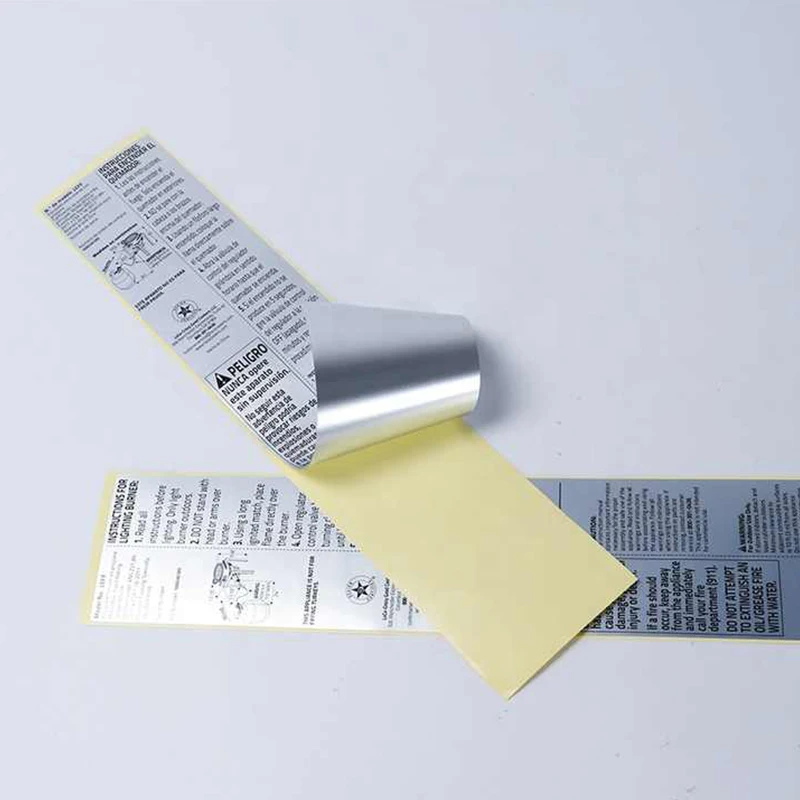
Mehanizam pomoću kojeg nalepnice poboljšavaju prezentaciju proizvoda ne obuhvaća samo ukras. Oni omogućuju brendovima da komuniciraju kvalitetu, autentičnost i jedinstvenost kroz pažljivo dizajnirane grafike, teksture i završetke koji se usklađuju s identitetom brenda i očekivanjima kupaca. Uključivanjem naljepnica u pakovanje i maloprodajne prikaze, poduzeća mogu postići dinamičnu prilagodbu, sezonsku prilagodljivost i ciljana poruka bez preuređenja cijele strukture pakiranja. Ovaj članak istražuje specifične načine na koje naljepnice poboljšavaju prezentaciju proizvoda, ispitujući njihove funkcionalne prednosti, fleksibilnost dizajna, psihološki utjecaj na ponašanje potrošača, materijalne razmatranja i stratešku provedbu u različitim maloprodajnim kontekstima.
Mehanizam vizualnog utjecaja nalepki u maloprodajnim okruženjima
Izbor boja i kontrasta
Nalepke djeluju kao snažna vizualna sidra u maloprodajnim okruženjima gdje se stotine proizvoda natječu za pozornost potrošača u roku od nekoliko sekundi. Strateška upotreba upaljenih boja, metalnih obrada ili teksturiranih površina na naljepnicama stvara neposrednu kontrastnost s standardnim supstratima za pakiranje, privlačeći pozornost na određene proizvode čak i iz daljine. Ova vizualna diferencijacijacija posebno je kritična u supermarketima, trgovinama i masovnim maloprodajnim okruženjima gdje kupci brzo donose odluke na temelju vizualnih znakova. Visokokvalitetni naljepnici s živopisnim tiskanjem i preciznim rezom stvaraju vrhunski izgled koji povećava vrijednost proizvoda bez potrebe za skupim redizajnom pakiranja.
Psihologija prepoznavanja boja djeluje na podsvjesnoj razini, s određenim nijansama koje izazivaju emocionalne reakcije i asocijacije marki unutar milisekundi vizualnog kontakta. Nalepke omogućuju brendovima da iskoriste ove psihološke pokretače uključivanjem karakterističnih boja, gradijentnih efekata ili holografskih elemenata koji ojačavaju identitet brenda dok privlače pažnju. Na primjer, proizvodi za hranu koji koriste naljepnice u toplim tonovima poput crvene i narandžaste boje mogu podstaknuti apetit i pokazati svježinu, dok kozmetika s metalnim natpiscima od srebra ili zlata komunicira luksuz i sofisticiranost. Ova ciljana primjena boja putem naljepnica omogućuje brendovima da precizno podešavaju vizualne poruke na temelju kategorije proizvoda, ciljane demografske skupine i željenog emocionalnog odgovora.
Poboljšanje trodimenzionalne percepcije kroz slojeve i teksturu
Osim ravnih vizualnih elemenata, naljepnice pridonose prezentaciji proizvoda dodavanjem taktilne dimenzije i dubine na površine pakiranja. Uređene naljepnice, teksturirane obloge i uzdignute tehnike tiskanja stvaraju multi-osjetilno iskustvo koje poziva na fizičku interakciju i komunicira kvalitetu dodirom. Ovaj trodimenzionalni aspekt pretvara obične ambalaže u proizvode s vrhunskim osjećajem, jer potrošači podsvjesno povezuju teksturirane površine s višim proizvodnim standardima i pažnjom na detalje. Osjećaj dodira dok se prstima prolaze preko dobro izrađene naljepnice jača pozitivnu percepciju brenda i povećava vjerojatnost izbora proizvoda tijekom kritičnog trenutka ocjene u trgovini.
Složeni više slojeva naljepnice u skladu s člankom 3. stavkom 2. točkom (a) Uredbe (EU) br. Ova tehnika slojeviranja omogućuje brendovima da predstave više informacija kao što su certifikatne značke, promotivne poruke i značajke proizvodabez da bi se preplavilo primarno dizajniranje. Svaki element naljepnice služi određenoj komunikacijskoj svrsi, a istovremeno doprinosi integriranoj vizualnoj hijerarhiji koja vodi pozornost potrošača kroz namjerne izborne dizajne. U skladu s člankom 1. stavkom 2. stavkom 2. točkom (a) Uredbe (EZ) br. 765/2008 Komisija je odlučila o uvođenju mjera za utvrđivanje mjera za utvrđivanje mjera za utvrđivanje mjera za utvrđivanje mjera za utvrđivanje mjera za utvrđivanje mjera za utvrđivanje mjera
Funkcionalna komunikacija Koristi od naljepnica u pakiranju proizvoda
U skladu s člankom 4. stavkom 1.
Moderni proizvodi često zahtijevaju brojne certifikata, oznake sukladnosti i regulatorna otkrivanja koja se moraju pojaviti na pakiranju bez ugrožavanja estetskog privlačnosti. Nalepke pružaju elegantno rješenje omogućavajući brendovima da ove bitne informacije prikažu vizuelno organizirano i održavaju integritet dizajna paketa. U skladu s člankom 1. stavkom 2. stavkom 2. ovog članka, Komisija može donijeti odluku o odbrojavanju odluka o odbrojavanju. Ova fleksibilnost posebno je vrijedna za brendove koji prodaju na više tržišta s različitim regulatornim zahtjevima, jer se naljepnice mogu prilagoditi za određene regije bez mijenjanja osnovne strukture pakiranja.
U skladu s člankom 21. stavkom 1. točkom (a) Uredbe (EU) br. 528/2012 Europska komisija trebala bi donijeti odluku o uvođenju zahtjeva za izdavanje certifikata. Čiste, profesionalno ispisane naljepnice s prepoznatljivim logotipovima trećih osoba za certifikat služe kao signali povjerenja koji smanjuju rizik od kupnje i opravdavaju povećanje cijena. U maloprodajnim prozorima proizvodi s istaknutim natpisima s certifikatom imaju konkurentnu prednost u odnosu na neobjavljene alternative, jer kupci sve više daju prednost transparentnosti i odgovornosti u svojim kupovnim izborima. Vizualni autoritet tih naljepnica pretvara apstraktne zahtjeve za usklađenost u opipljive vrijednosti koje odzvuče s segmentima potrošača koji su svjesni zdravlja, okoliša i kvalitete.
Uređivanje dinamičnih promocijskih poruka bez stalnih promjena
U skladu s člankom 1. stavkom 2. stavkom 2. točkom (a) Uredbe (EZ) br. Sezonske promocije, ograničena izdanja, ponude s postojećim popustom i promidžbena partnerstva mogu se komunicirati putem strateški postavljenih naljepnica koje se lako primjenjuju i uklanjaju na temelju vremenskih linija kampanje. Ova dinamična sposobnost omogućuje brendovima da testiraju marketinške poruke, reagiraju na konkurentni pritisak i iskoriste trendove potrošačkih interesa s izvanrednom brzinom i troškovnom učinkovitostju u usporedbi s trajnim izmjenama pakiranja.
U skladu s člankom 21. stavkom 1. točkom (a) Uredbe (EU) br. 1151/2012 Komisija je odlučila o uvođenju mjera za smanjenje emisija CO2 u skladu s člankom 21. stavkom 2. točkom (a) Uredbe (EU) br. 1151/2012. Prikladni nalepci, etikete na rubovima polica i promotivne značke na proizvodima djeluju sinergijski kako bi stvorili koordinirane kampanje koje pojačavaju utjecaj poruke na više točaka dodira. U skladu s člankom 1. stavkom 2. stavkom 2. točkom (a) Uredbe (EU) br. 1151/2012 Europska komisija je odlučila o uvođenju mjera za utvrđivanje odgovarajućih mjera za utvrđivanje odgovarajućih mjera za utvrđivanje odgovarajućih mjera za utvrđivanje odgovarajućih mjera za utvrđivanje odgovarajućih mjera Ova fleksibilnost posebno je vrijedna za kategorije potrošačkih dobara koje se brzo kreću, gdje su promocijski ciklusi česti i reaktivnost tržišta određuje uspjeh u tržišnoj konkurenciji.
U skladu s člankom 4. stavkom 2.
U skladu s člankom 1. stavkom 2. stavkom 2. Uputstva za upotrebu, popisi sastojaka, preporuke za skladištenje i kontaktne informacije mogu se predstaviti na aditivima strateške veličine na kojima potrošači mogu posjetiti bez ometanja vizualne privlačnosti proizvoda na zaslonu. Ova razdvajanje estetskih i informativnih elemenata omogućuje dizajnerima pakiranja da optimiziraju grafiku na prednjoj strani paketa za maksimalni vizualni učinak, osiguravajući istodobno da sveobuhvatne informacije ostaju dostupne putem dobro postavljenih sekundarnih naljepnica.
U maloprodajnim područjima gdje obrazovanje o proizvodima utječe na povjerenje u kupnju, informativni naljepnici postavljeni na leđa, dno ili unutarnju površinu pakiranja pružaju detaljan sadržaj koji ozbiljni kupci traže bez ugrožavanja prisutnosti na policama. Tehnički proizvodi, specijalizirana hrana i kozmetika posebno imaju koristi od ovog pristupa, jer informirani potrošači cijene temeljne specifikacije koje pomažu pri odluci o kupnji. U skladu s člankom 1. stavkom 2. stavkom 2. točkom (a) Uredbe (EU) br. 1151/2012 Komisija je odlučila o uvođenju dodatnih mjera za zaštitu od rizika za okoliš.
Fleksibilnost dizajna i prilagođavanje brenda putem aplikacija za naljepnice
Uspostavljanje ekonomične personalizacije i ograničenih izdanja
Ekonomika modernog marketinga sve više favorizira personalizaciju i ograničene izdanje ponude koje stvaraju uzbuđenje potrošača i pokreće hitno kupnju. U skladu s člankom 1. stavkom 2. stavkom 3. Održavanjem standardnih zaliha ambalaže i primjenom promjenjivih naljepnica, tvrtke mogu stvoriti desetine varijacija proizvoda, regionalnih prilagođavanja ili kolektorskih serija koje izgledaju potpuno jedinstveno za potrošače uz korištenje postojeće infrastrukture za pakovanje. Ovaj pristup demokratizira premium marketinške taktike koje su ranije bile dostupne samo velikim brendovima s velikim proizvodnim proračunima.
U skladu s člankom 21. stavkom 1. točkom (a) Uredbe (EU) br. 1151/2012 Komisija je odlučila o uvođenju mjera za utvrđivanje mjera za utvrđivanje mjera za utvrđivanje mjera za utvrđivanje mjera za utvrđivanje mjera za utvrđivanje mjera za utvrđivanje mjera za utvrđ U skladu s člankom 1. stavkom 2. stavkom 2. točkom (a) Uredbe (EU) br. 1151/2012 Europska komisija može donijeti odluku o odbrojavanju odluka o uvođenju proizvoda iz članka 1. stavka 1. Ovaj iterativni pristup smanjuje rizik, ubrzava inovacijske cikluse i omogućuje brendovima da ostanu odgovorni na preferencije potrošača na načine koje ne mogu prilagoditi čvrsti sustavi pakiranja.
Integracija elemenata priče o brendu i emocionalnih veza
Moderni potrošači sve više traže brendove koji komuniciraju autentične priče, vrijednosti i misije koje su usklađene s njihovim osobnim identitetom. Nalepke pružaju intimno platno za prenošenje ovih elementâ pripovijedanja kroz pažljivo izrađenu grafiku, rukopisne šifre i ilustrativne elemente koji humaniziraju brendove i potiču emocionalne veze. Na naljepnicama s fokusom na priču mogu se naći potpisi osnivača, karte porijekla, obveze održivosti ili obrtničke metode proizvodnje koje proizvode razlikuju od alternativa za masovno tržište. Ovi narativni elementi pretvaraju funkcionalnu ambalažu u početnike razgovora koje potrošači osjećaju prisiljeno dijeliti na društvenim mrežama, proširujući doseg brenda kroz organsko zagovaranje.
Relativno mali format naljepnica potiče sažeto, utjecajno pripovijedanje koje poštuje potrošničku pozornost i istovremeno isporučuje značajne poruke brenda. U skladu s člankom 1. stavkom 2. stavkom 2. ovog članka, poduzeća koja su poduzeta poduzeća koja su poduzeta poduzeća koja su poduzeća koja su poduzeća koja su poduzeća koja su poduzeća koja su poduzeća koja su poduzeća koja su poduzeća koja su poduzeća koja su poduze Maloprodajni prikazi koji uključuju ove naljepnice koje se temelje na priči stvaraju iskustva pregledavanja koja nagrađuju bliže pregledavanje, jer znatiželjni kupci otkrivaju slojeve značenja brenda koji razlikuju promišljene tvrtke od generičkih konkurenata. Proces otkrivanja stvara afinitet brenda i povećava vjerojatnost konverzije, jer potrošači osjećaju da su pronašli proizvode koji odražavaju njihove vrijednosti i zaslužuju podršku.
Koordinacija vizualnog identiteta među proizvodnim linijama i varijantama
Za brendove koji upravljaju više linija proizvoda, okusa ili varijanti, održavanje kohezivnog vizualnog identiteta uz jasno razlikovanje pojedinačnih ponuda predstavlja stalni izazov u dizajnu. Nalepke pružaju elegantno rješenje kroz sisteme za kodiranje boja, grafiku specifičnu za različite varijante i hijerarhijsko označavanje koje očuvaju prepoznavanje brenda, a omogućavaju brzu identifikaciju proizvoda. Dosljedan oblik naljepnice, liječenje granice ili sustav ikona primijenjen na sve varijante stvara vizualno jedinstvo, dok promjenjive unutarnje boje ili grafika komuniciraju specifične atribute proizvoda. Ovaj sustavni pristup pomaže potrošačima da se pouzdano kreću kroz asortiman proizvoda, smanjujući paralizu pri odlučivanju i podupirući ponavljajuće kupnje omiljenih varijanti.
Maloprodajni displeji znatno imaju koristi od koordiniranih sistema naljepnica koji stvaraju organizirana vidna polja umjesto haotičnih asortimana. Kada su obitelji proizvoda opremljene usklađenim dizajnom naljepnica, dijelovi polica izgledaju profesionalno uređeni i lakše za kupovinu, što poboljšava ukupnu privlačnost kategorije i potiče kupnju više predmeta. Fleksibilnost naljepnica omogućuje brendovima da neprestano usavršavaju ove sustave koordinacije, dodajući nove varijante bez problema, zadržavajući uspostavljenu vizualnu logiku. Ova evolucijska sposobnost osigurava da prezentacija brenda ostane svježa i organizirana kako se portfoliji proizvoda šire, sprečavajući vizualnu fragmentaciju koja često prati rast manje fleksibilnih sustava pakiranja.
U skladu s člankom 4. stavkom 1.
Izbor odgovarajućih materijala za podložnu materijalnu obranu za izlaganje okolišu
U skladu s člankom 21. stavkom 1. točkom (a) Uredbe (EU) br. 528/2012 Europska komisija je odlučila o uvođenju mjera za poboljšanje kvalitete i kvalitete proizvoda. Karta na bazi nalepki nude odličnu štampljivost i troškovnu učinkovitost za suvo, klimatski kontrolirano okruženje, dok vinil i poliester podloge pružaju superiornu otpornost na vlagu i izdržljivost za hladnjače, zamrznute ili vanjske prikaze konteksta. Razumijevanje odnosa između svojstava materijala i primjenjivih okruženja osigurava da nalepnice zadržavaju svoj vizualni integritet i lepljivu učinkovitost od proizvodnje do konačne interakcije potrošača.
U vrhunskom maloprodajnom okruženju traže se naljepnice koje otporne na bledanje, mrlja i podizanje rubova pod stalnim rukovanjem i izlaganjem svjetlu. UV otporne maske i zaštitne laminate značajno produžavaju životni vijek nalepnice, čuvajući živopisne boje i oštre grafike koje održavaju privlačnost proizvoda tijekom produženog roka trajanja. Za proizvode koji doživljavaju temperaturne fluktuacije tijekom distribucije hladnog lanca, specijalizirani lepilji koji održavaju snagu vezivanja u različitim temperaturnim rasponima sprečavaju neprijatno zakrpanje ili odricanje koje ugrožava profesionalni izgled. U skladu s člankom 1. stavkom 2. stavkom 2. točkom (a) Uredbe (EZ) br. 725/2009 Komisija je odlučila da se odredi da se nalepnice upotrebljavaju za proizvodnju proizvoda koji se upotrebljavaju u proizvodnoj industriji.
U skladu s člankom 3. stavkom 1.
Različiti pakiranski materijali koji se koriste u suvremenoj maloprodajiod sjajne plastike do teksturirane kartona, staklenih površina do fleksibilnih folija zahtijevaju odgovarajuće tehnologije lepila koje osiguravaju pouzdano vezanje bez oštećenja pri uklanjanju. Stalni lepi proizvodi stvaraju jake, trajne veze koje su idealne za primarne oznake proizvoda, dok se uklanjajuće formulacije podržavaju privremene promocije i ponovno zapečaćene primjene. U skladu s člankom 3. stavkom 2. točkom (a) Uredbe (EZ) br. 1907/2006, u skladu s člankom 3. stavkom 3. točkom (b) Uredbe (EZ) br. 1907/2006, u skladu s člankom 4. točkom (c) Uredbe (EZ) br. 1907/2006, u skladu s člankom 4. točkom (c) Uredbe (EZ)
Texturirani materijali ili materijali s niskom površinskom energijom poput polietilena i polipropilena predstavljaju posebne izazove vezivanja koje specijalizirane formulacije ljepila rješavaju poboljšanjem početne pripreme i usklađenosti. U slučaju da se upotrebljava u proizvodnji materijala za proizvodnju proizvoda, to znači da se upotrebljava u proizvodnji proizvoda za proizvodnju proizvoda za proizvodnju proizvoda za proizvodnju proizvoda za proizvodnju proizvoda za proizvodnju proizvoda za proizvodnju proizvoda za proizvodnju proizvoda za proizvodnju proizvoda za proizvodnju proizvoda za proizvodnju proizvoda za proizvodnju proizvoda za proizvodnju proizvoda Za vrhunske maloprodajne prezentacije, čiste lepilne formulacije sprečavaju vidljive lepilne linije koje umanjuju eleganciju dizajna, stvarajući besprekornu integraciju između grafike naljepnice i površine paketa ispod nje. Ti tehnički razmatranja osiguravaju da nalepnice poboljšavaju, a ne ugrožavaju prezentaciju proizvoda putem pouzdanih, estetski ugodnih performansi primjene.
U skladu s člankom 3. stavkom 1.
U skladu s ovim ciljem, u skladu s člankom 3. stavkom 1. stavkom 2. U skladu s člankom 1. stavkom 2. stavkom 2. točkom (a) Uredbe (EZ) br. 765/2008 i člankom 1. stavkom 2. točkom (b) Uredbe (EZ) br. 765/2008 i člankom 2. točkom (c) Uredbe (EZ) br. 765/2008 i člankom 2. točkom (c) Uredbe (EZ) U skladu s člankom 1. stavkom 2. stavkom 2.
U pogledu pristupa cirkularnoj ekonomiji, nalepke se ne smatraju dodacima za jednokratnu upotrebu, već sastavnim dijelovima ambalaže koji zahtijevaju razmatranje krajem životnog vijeka. U skladu s člankom 21. stavkom 1. točkom (a) Uredbe (EZ) br. 765/2008 Komisija je odlučila o uvođenju mjera za smanjenje otpada u skladu s člankom 21. stavkom 2. točkom (a) Uredbe (EZ) br. 765/2008 u skladu s člankom 21. stavkom 2. točkom (b) Uredbe (EZ U skladu s člankom 3. stavkom 1. stavkom 2. Ova dvostruka funkcijapojačavanje neposredne prezentacije proizvoda uz podršku dugoročnim ciljevima održivostipostavlja nalepnice kao strateška sredstva za sveobuhvatno pozicioniranje brenda, a ne kao jednostavne dekorativne elemente.
U skladu s člankom 3. stavkom 1.
Optimizacija aplikacije na razini police za maksimalnu vidljivost
U skladu s člankom 1. stavkom 2. točkom (a) Uredbe (EZ) br. Nalepke strateški postavljene na glavne prikazne ploče obično na gornjoj trećini ili središtu ambalaže maksimiziraju vidljivost tijekom kritičnog prvog pogleda koji određuje jesu li kupci daljnje uključeni u proizvod. Okružni ili značke navisnici postavljeni u gornjim kutovima stvaraju središnje točke koje privlače oči prema gore, čineći proizvode vidljivijima čak i kada su postavljeni na donje police.
U slučaju proizvoda koji se prikazuju u dubini umjesto širine, naljepnice postavljene na rubovima koje ostaju vidljive iz više uglova gledanja proširuju prisutnost na policama izvan prednjih jedinica. U skladu s člankom 3. stavkom 1. točkom (a) Uredbe (EZ) br. 765/2008 i člankom 3. stavkom (b) Uredbe (EZ) br. 765/2008 i člankom 4. stavkom (b) Uredbe (EZ) br. 765/2008 i člankom 4. stavkom (c) Uredbe (EZ) br. 765/2008 i U prodaji na malo, na stranicama proizvoda, na vrhu ili na prikazu proizvoda, na dodirnim naljepnicama se stvara vizualni kontinuitet koji jača prisutnost brenda u kupovnom okruženju, stvarajući kumulativnu snagu dojmova koji utječu na odluke o kupnji kroz ponavljajuću izloženost
U skladu s člankom 4. stavkom 2.
Osim pojedinačne ambalaže proizvoda, naljepnice nanete na prikazne pribor, rubove police i materijale u mjestima kupnje stvaraju integrisana maloprodajna okruženja koja pojačavaju poruke brenda i usmjeravaju pozornost potrošača prema prikazanim proizvodima. Koordinirane kampanje nalepnica koje održavaju dosljedan dizajnski jezik na svim površinama paketa i elementima prikaza stvaraju impresivna iskustva brenda koja se ističu u nerednim maloprodajnim okruženjima. Nalepke za naslov koji objavljuju prednosti kategorije, govornici s polica koji ističu značajke proizvoda i nalepke za pod koji usmjeravaju obrasce prometa djeluju sinergijski s nalepkama za pakiranje kako bi stvorili sveobuhvatne strategije prezentacije koje utječu na ponašanje kupnje na više odluka
Srednja cijena za proizvodnju je oko 8 milijuna EUR. Nalepke na praznične teme koje se stavljaju na police, pakete proizvoda i informativne oznake stvaraju praznična iskustva kupovine koja pokreću impulzivne kupnje i povećavaju veličinu korpa tijekom vrhunskih maloprodajnih razdoblja. U skladu s člankom 1. stavkom 2. stavkom 2. točkom (a) Uredbe (EZ) br. 765/2008 i člankom 1. stavkom 2. točkom (b) Uredbe (EZ) br. 765/2008 i člankom 2. točkom (c) Uredbe (EZ) br. 765/2008 i člankom 2. točkom (c) Uredbe (EZ)
Stvaranje iskustva otvaranja kutija kroz aplikacije za unutarnje naljepnice
Putovanje prezentacije proizvoda proteže se izvan trgovinskih polica u domove potrošača kroz pažljivo dizajnirana iskustva otvaranja kutija koja stvaraju sadržaj društvenih medija i jačaju odnose s brendom. Unutrašnje naljepnice s porukama zahvalnosti, savjete za korištenje ili ekskluzivnim kodovima za pristup zajednici pretvaraju obična otvaranja proizvoda u nezaboravne interakcije brenda koje potrošači dobrovoljno dijele s njihovim mrežama. Ova proširena funkcija prezentacije pozicionira naljepnice kao alate za izgradnju odnosa, a ne samo transakcijske pomoćne proizvode, podržavajući životnu vrijednost kupca kroz emocionalno angažovanje koje prevazilazi početne kupnje.
U skladu s člankom 3. stavkom 1. točkom (a) Uredbe (EU) br. 1151/2012 Komisija je odlučila o uvođenju mjera za utvrđivanje primjene Uredbe (EU) br. 1151/2012 na proizvodima koji sadrže određene vrste proizvoda. Nalepke s posebnim brojevima koje sugeriraju ograničen broj serija, ručno namješćeni pečatovi zahvalnosti s potpisima osnivača ili natpisane nalepke s skrivenom porukom koje se otkrivaju tek nakon otvaranja stvaraju trenutke iznenađenja i zadovoljstva koji stvaraju pozitivne emocionalne asocijacije s Ova iskustva potiču društveno dijeljenje, s potrošačima koji objavljuju video zapise i fotografije koje pružaju autentičnu zagovaranje brenda daleko utjecajnije od tradicionalnog oglašavanja. U skladu s člankom 3. stavkom 1. točkom (a) Uredbe (EU) br. 600/2014 Komisija je odlučila da se odluka o uvođenju mjera odredi u skladu s člankom 3. stavkom 1. točkom (a) Uredbe (EU) br. 600/2014 u skladu s člankom 2. stavkom 2. točkom (a) Uredbe (EU)
Često se javljaju pitanja
Koje vrste maloprodajnih okruženja najviše imaju koristi od primjene strateških naljepnica u prezentaciji proizvoda?
U skladu s člankom 1. stavkom 2. stavkom 2. točkom (a) Uredbe (EU) br. 1151/2012, u skladu s člankom 2. stavkom 2. točkom (b) Uredbe (EU) br. 1151/2012 i člankom 3. točkom (c) Uredbe (EU) br. 1151/2012 i člankom 3. točkom (c) Uredbe ( Masovna maloprodaja s ograničenim prostorom na policama i intenzivnom konkurencijom za pozornost potrošača odmah je pogođena dobrim dizajniranim naljepnicama koje stvaraju vizualnu razliku. Specijalni trgovci imaju koristi od naljepnica koje komuniciraju autentičnost, zanat i jedinstvene vrijednosti koje opravdavaju premium pozicioniranje. Čak i centri za isporuku elektroničke trgovine koriste naljepnice na pakiranju za isporuku kako bi stvorili pozitivan prvi dojam pri isporuci, što pokazuje da strateške primjene naljepnica poboljšavaju prezentaciju proizvoda gotovo na svim modernim maloprodajnim kanalima i kontaktnim točkama kupaca.
Kako se nalepke uspoređuju s štampanim pakiranjem u pogledu vizualne kvalitete i fleksibilnosti proizvodnje?
Moderna tehnologija štampanja nalepnica pruža vizualni kvalitet usporedivi s direktnim tiskanjem ambalaže, s određenim specijalnim završnim delovima poput holografskih efekata, metalnih mastila i teksturiranih površina koje zapravo premašuju ono što standardno tiskanje paketa može postići troškovno Napredak digitalne štampe omogućuje kvalitetu fotografije, precizno usklađivanje boja i precizne detalje koje ispunjavaju ili nadmašuju tradicionalne standarde ofset štampe. U skladu s člankom 1. stavkom 2. stavkom 2. točkom (a) Uredbe (EZ) br. 1225/2009 Komisija je odlučila da se odluka o uvođenju mjera odluka o uvođenju mjera odluka o uvođenju mjera odluka o uvođenju mjera odluka o uvođenju mjera odluka o uvođenju U skladu s člankom 1. stavkom 2. stavkom 2. točkom (a) Uredbe (EZ) br. 765/2008 i člankom 1. stavkom 2. točkom (b) Uredbe (EZ) br. 765/2008 i člankom 2. točkom (c) Uredbe (EZ) br. 765/2008 i člankom 2. točkom (c) Uredbe (EZ)
Mogu li naljepnice izdržati postupanje i okolišne uvjete tipične za maloprodajne lance distribucije?
Kada su ispravno određene za namjensku primjenu, kvalitetne naljepnice pokazuju izvrsnu trajnost u svim distribucijskim lancima uključujući skladištenje u skladištu, prijevoz, maloprodajno rukovanje i faze potrošnje. U skladu s člankom 3. stavkom 1. stavkom 2. ovog Pravilnika, proizvođač mora osigurati da se nalepnice i njihove adhezivne učinak održavaju u uvjetima očekivanih životnih ciklusa. Zaštitne laminate i odgovarajuće lepilne formulacije sprečavaju uobičajene načine kvarova kao što su podizanje rubova, bledanje boje i prijevremeno odvajanje koji bi ugrozili prezentaciju proizvoda. U skladu s člankom 1. stavkom 2. točkom (a) Uredbe (EZ) br. 765/2008 i člankom 1. stavkom (b) Uredbe (EZ) br. 765/2008 i člankom 2. stavkom (b) Uredbe (EZ) br. 765/2008 i člankom 2. stavkom (c) Uredbe (EZ) br. 765/2008 i
Koje su načela dizajna koja stvaraju najefikasnije naljepnice za poboljšanje prezentacije proizvoda u konkurentnim maloprodajnim okruženjima?
Učinkoviti naljepnice za maloprodaje uravnotežavaju neposredni vizualni utjecaj s jasnom hijerarhijom informacija, koristeći hrabre oblike i kontrastne boje koje privlače pažnju na tipičnim udaljenostima od tri do pet metara. Jednostavljena grafika koja prenosi primarnu poruku u roku od jedne do dvije sekunde prilagođava se tipičnoj potrošničkoj pažnji tijekom pregledavanja, dok sekundarni detalji nagrađuju bliže pregledavanje angažiranih kupaca. Tipografija mora ostati čitljiva na predviđenim udaljenostima gledanja, s veličinama i težinama pisaca odgovarajućim fizičkim dimenzijama naljepnica i tipičnim položajem police. U skladu s ukupnim vizualnim identitetom brenda, naljepnice ojačavaju, a ne zbunjuju prepoznavanje brenda, dok strateška diferencijacija kroz boju, oblik ili završetak stvara razliku potrebnu za istaknuće u gužvom maloprodajnom kontekstu. Najuspješniji dizajn nalepnica proizlazi iz razumijevanja specifičnih kategorija proizvoda, ciljane demografije, konkurentnih konteksta i karakteristika maloprodajnog okruženja umjesto primjene generičkih predložaka dizajna, što čini prilagođene dizajne ključnim za maksimiziranje poboljšanja prezentacije proizvoda putem aplikacija nalepnica.
Sadržaj
- Mehanizam vizualnog utjecaja nalepki u maloprodajnim okruženjima
- Funkcionalna komunikacija Koristi od naljepnica u pakiranju proizvoda
- Fleksibilnost dizajna i prilagođavanje brenda putem aplikacija za naljepnice
- U skladu s člankom 4. stavkom 1.
- U skladu s člankom 3. stavkom 1.
-
Često se javljaju pitanja
- Koje vrste maloprodajnih okruženja najviše imaju koristi od primjene strateških naljepnica u prezentaciji proizvoda?
- Kako se nalepke uspoređuju s štampanim pakiranjem u pogledu vizualne kvalitete i fleksibilnosti proizvodnje?
- Mogu li naljepnice izdržati postupanje i okolišne uvjete tipične za maloprodajne lance distribucije?
- Koje su načela dizajna koja stvaraju najefikasnije naljepnice za poboljšanje prezentacije proizvoda u konkurentnim maloprodajnim okruženjima?